
Title of the event: Je Me Souviens – Montréal, the Memory City
Location: Jeanne Timmins Auditorium, The Neuro/Montreal Neurological Institute-Hospital (3801 University St., Montréal, QC)
Date and Time: May 17th, 5PM to 7PM – with a reception afterward including a book sale/signing of “The Mind Mappers” by Eric Andrew-Gee.
Organizer: Stuart Trenholm, Chair of the local organizing committee
Sponsored by: The Neuro, McGill Faculty of Science, McGil Faculty of Medical and Health Sciences
Ticket will be available mid-April.
Speaker 1:
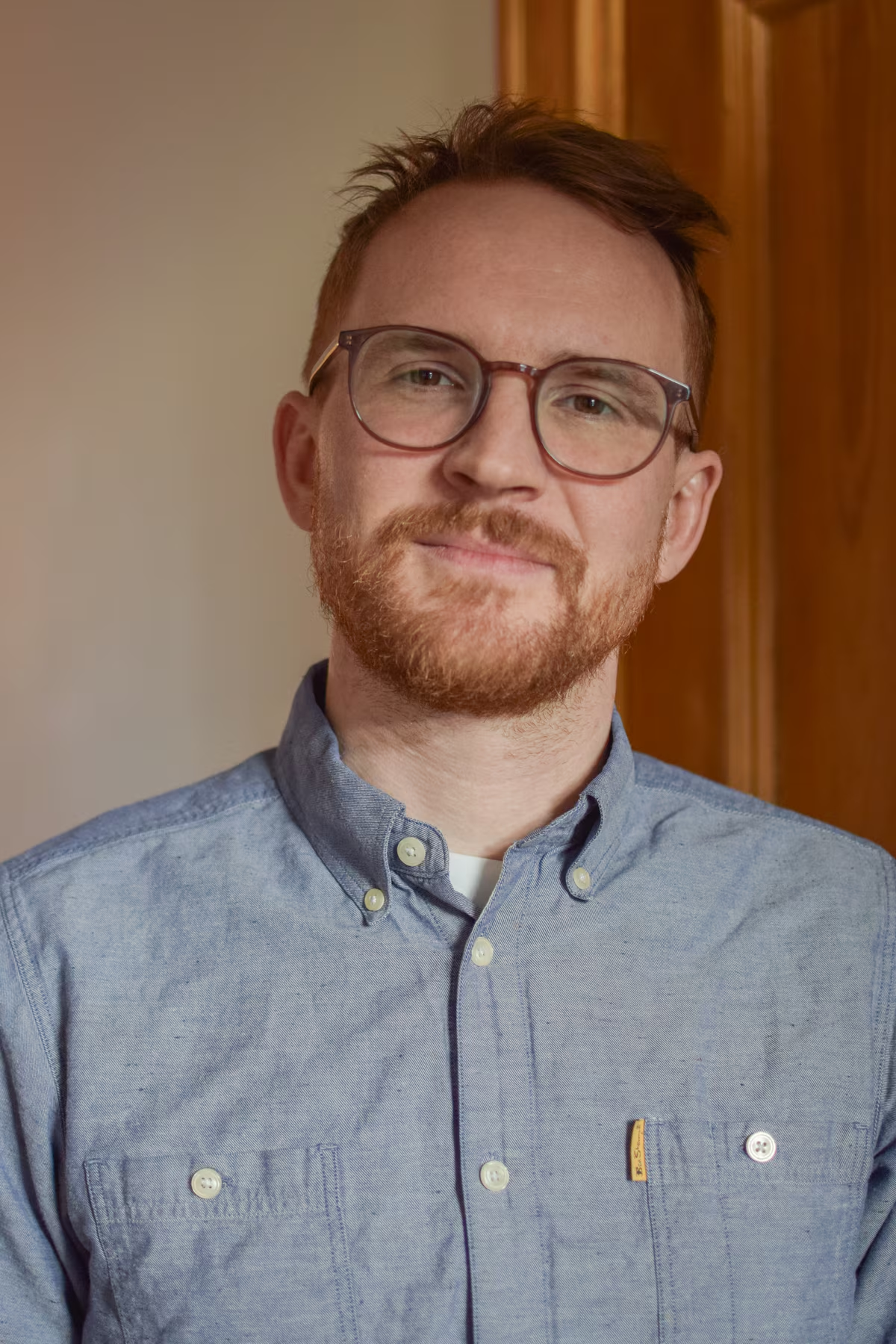
Eric Andrew-Gee
Eric Andrew-Gee is a correspondent in the Globe and Mail’s Quebec bureau. The Mind Mappers, his bestselling history of the Montreal Neurological Institute and its founding partners, was published in May 2025 and awarded the Quebec Writers’ Federation First Book Prize. He lives in Montreal with his wife and twin toddlers.
Of Two Minds: The Brilliant, Tragic Friendship That Invented Montreal Neuroscience
The brain was an “undiscovered country” when Wilder Penfield and William Cone founded the Montreal Neurological Institute in 1934. They set about mapping it. This was long before MRIs and CAT scans, and their tools were crude: the electrical probe used during epilepsy surgery to stimulate the cortex; electroencephalograms with their spikes of ink on graph paper; even, in some tragic cases, surgical error. But gradually, with a global team of interdisciplinary talent, Cone and Penfield began to sketch the outlines of continents, and the localization of pleasure, speech, motor responses, and memory began to emerge.
Speaker 2:
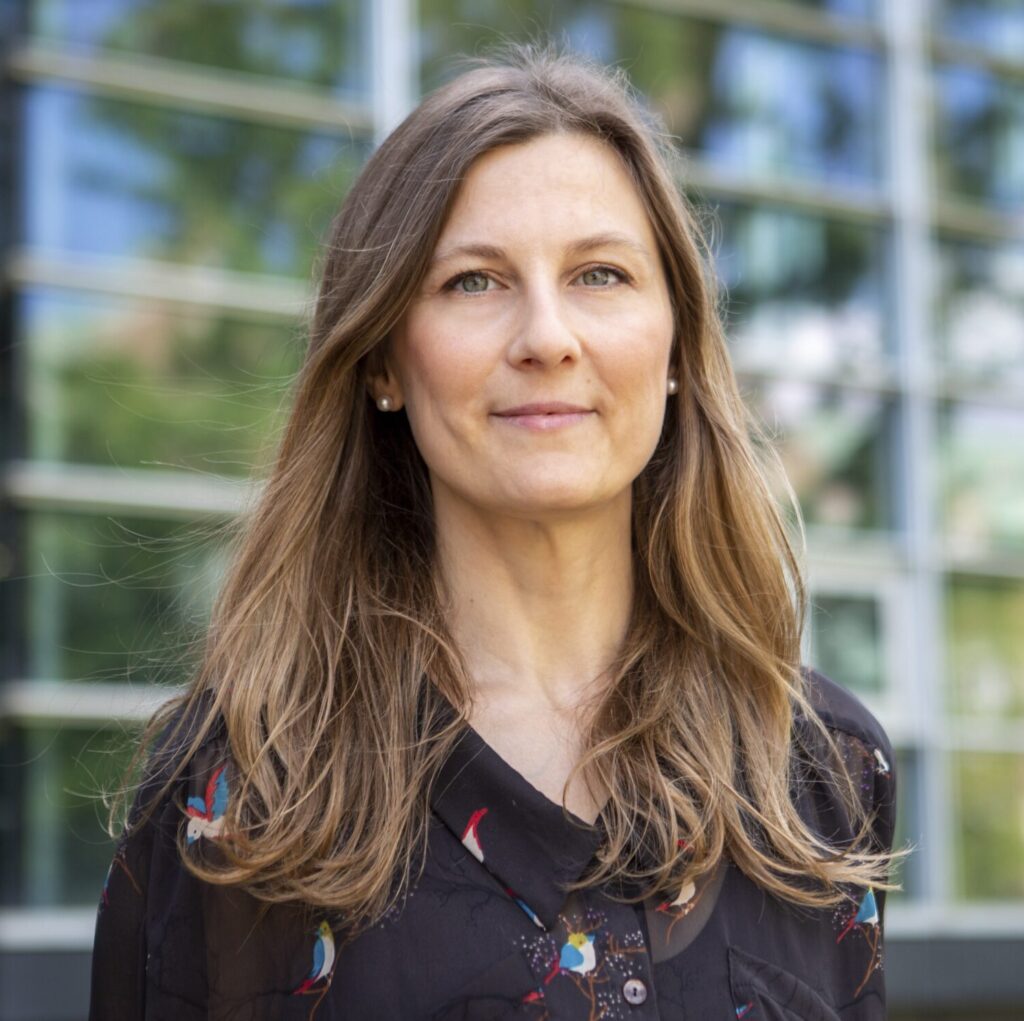
Mihaela Iordanova
Dr. Mihaela Iordanova is Professor at Concordia University, a Canada Research Chair (Tier 2) in Behavioural Neuroscience, co-director of the Centre for Studies in Behavioral Neurobiology and Deputy Editor-in-Chief of eNeuro. She obtained her PhD from the University of New South Wales, Sydney, Australia. Her research focuses on elucidating the behavioural and neurobiological mechanisms underlying fear and reward learning, and their interaction, using an integrative approach that combines neural recording, circuit interrogation, computational modelling, and behavioural analysis. Iordanova’s research is published in leading journals including Nature Neuroscience, Current Biology, eLife, Biological Psychiatry amongst others. In 2020 she won the Canadian Association for Neuroscience Young Investigator Award, and in 2023 the Pavlovian Society Research Award. She is president-elect of the Pavlovian Society and was recently elected as vice-chair of the Amygdala Gordon Research Conference.
Memory Across Eras: From Intervention to Imagination
How does the brain hold onto the past? Montreal has been at the heart of answering that question for nearly a century. This talk traces the story of memory neuroscience from the landmark work of Brenda Milner at The Neuro — whose studies of patients like H.M. revealed the hippocampus as essential for forming new memories — through Donald Hebb’s foundational ideas about how neurons wire together to store experience, and onward to the discoveries that have transformed our understanding of memory circuits. Dr. Iordanova will bring this story into the present day, drawing on her own research at Concordia into how the brain forms memories about rewarding and threatening events, how those memories are revised when the world changes, and how memories can influence conditions like anxiety and addiction.
Speaker 3:
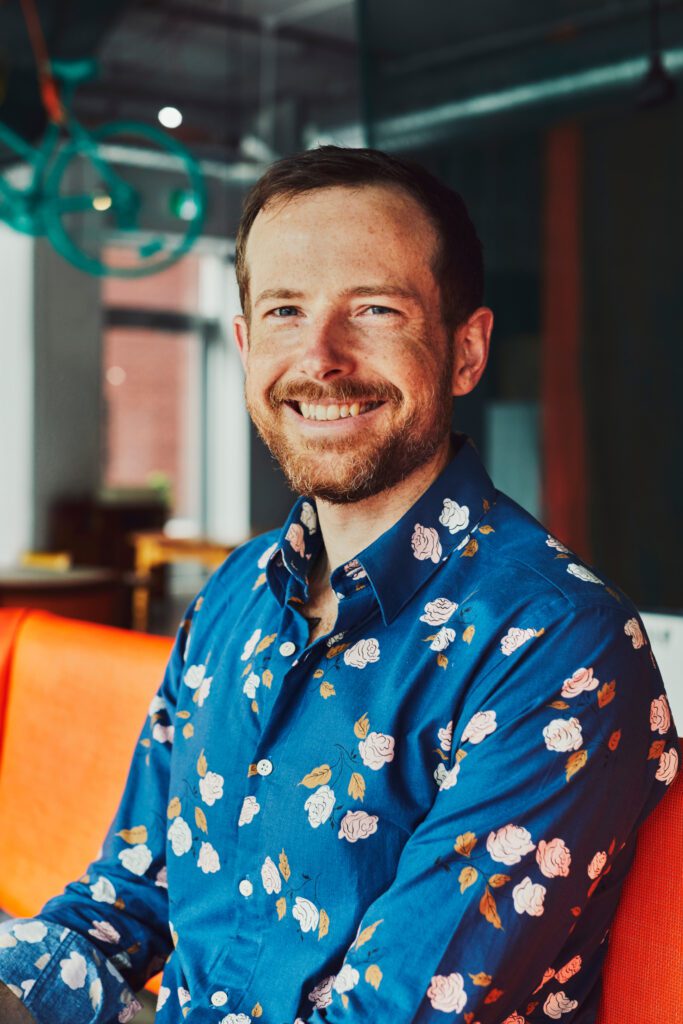
Blake Richards
Blake Richards is Research Scientist with the Paradigms of Intelligence team at Google, and an Associate Professor in the School of Computer Science and Department of Neurology and Neurosurgery at McGill University. He is also a Core Faculty Member at Mila, The Quebec AI Institute, where he holds a CIFAR AI Chair. Richards received the CAN Young Investigator Award in 2019 and the NSERC Arthur B. McDonald Fellowship in 2022.
Why AI needs literal synapses
Despite some ups-and-downs, the hypothesis first proposed by Donald Hebb that learning and memory depends on changes to synapses between neurons still largely stands as a successful theory in neuroscience. This hypothesis also had a major influence on artificial intelligence (AI). The neural network models that now dominate AI were originally formulated in order to simulate learning via synaptic plasticity. However, our current AI microchips don’t possess literal, physical synapses, rather they store floating point numbers in memory that represent the strength of each synaptic connection, and they must load these values every time they are used. This movement of billions of such numbers on the microchip is actually the most energy intensive part of any call to an AI model: When we ask a large language model a question loading the synaptic weights accounts for roughly 90-95% of the energy consumed. In principle, if AI used neuromorphic chips with physical synapses that changed, as in the brain, then we could reduce the energy consumed by these models by an order of magnitude. However, actually building such chips in a general purpose manner is very challenging and it is still an area of active research. Here, I will discuss these challenges and provide some longer-term predictions for how we may develop truly Hebbian AI with a little help from neuroscience.