
Dear CAN members,
I am truly excited to start my mandate as President of the Canadian Association for Neuroscience. CAN has a critical and significant role to play in the coming months: We aim to inform and mobilize our community to make sure our voice is heard, that the important work we do is recognized by the public and elected officials, and that the scientific community receives the support it needs to thrive. This is a tall order, but by working together we can make progress towards these important goals.
First, this is an important time to have our voices heard at CIHR. I invite you to participate in consultations hosted by CIHR – in the form of a series of open webinars this month that will provide an overview of the current challenges in the peer review system, followed by a discussion of potential interventions (e.g., moving to one competition per year, restricting applications, capping resubmissions). These consultations are taking place next week (June 16 in English) and June 25 (in French). It is crucially important that CIHR hear first-hand what the impact of such changes, especially the proposal to remove one competition per year, would be on you, as a researcher. I invite you to participate in the sessions if you can. Note you can also send your questions in advance of the session. We share the details below.
One very important issue to all neuroscientists is the state of funding received via the CIHR project grants. CAN has advocated for an increase in the budget of project grants specifically, but also of the budget of the three main federal funding agencies (CIHR, NSERC and SSHRC) over the last few years and will continue to work towards these goals in the coming year. We are currently developing an engagement toolkit for our members and are working to engage with stakeholders at all levels (trainees, politicians, civil servants, academics, patient groups, clinicians, other scientist associations, university administrators and others) to share and amplify our message: Science is one of Canada greatest strengths, and one of the foundations for Canada’s innovation economy.
The year 2027 will also see our first annual meeting in Calgary – The meeting will take place June 6-9, 2027 – Mark your calendar! This will be an exciting opportunity to present your scientific discoveries, to foster collaboration and network and to come together as a community to discuss the issues that matter to us.
Neuroscience trainees do incredible work each year, and I invite you to read the profiles of this year’s 15 Brain Star Award winners, featured in this newsletter. We will also be sharing each profile, one per week, over the coming months, and I invite you to share at large.
I look forward to engaging with the CAN membership, hearing your thoughts, and working together towards our common goals.
Have a great Summer!
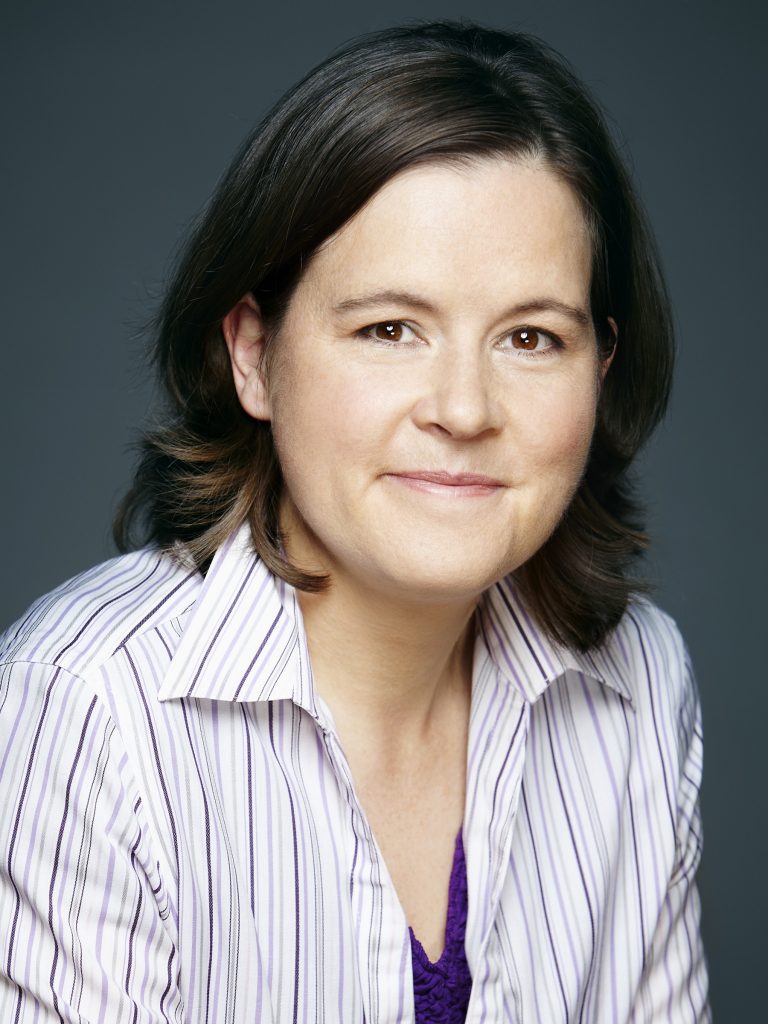
Alyson Fournier
President of the Canadian Association for Neuroscience
Advocacy
CIHR Consultations on Project grant peer review reforms
CIHR has launched targeted consultations with the health research community to address challenges in the peer review system for the Project Grant competition. As part of this work, they are hosting a series of webinars open to anyone who would like to participate.
Each session will provide an overview of the issues facing the current system and explore potential interventions (e.g., moving to one competition per year, restricting applications, capping resubmissions). Feedback gathered through these discussions will help inform a position paper that will be shared with the community for broader consultation later this summer.
Webinar options:
English Session (NEW date) – NOTE: The English session date has changed and is earlier than previously advertised
When: Tuesday, June 16 at 1:30 p.m. ET | Join | Send your questions in advance via Slido
Duration: 90 minutes
French Session
When: Thursday, June 25 at 1:30 p.m. ET | Join | Send your questions in advance via Slido
Duration: 90 minutes
Links to join are available here: https://cihr-irsc.gc.ca/e/45096.html
We encourage you to share this invitation within your networks so that applicants, peer reviewers and others interested in strengthening the Project Grant competition can take part in the discussion.
Advocacy session at the CAN2026 Meeting
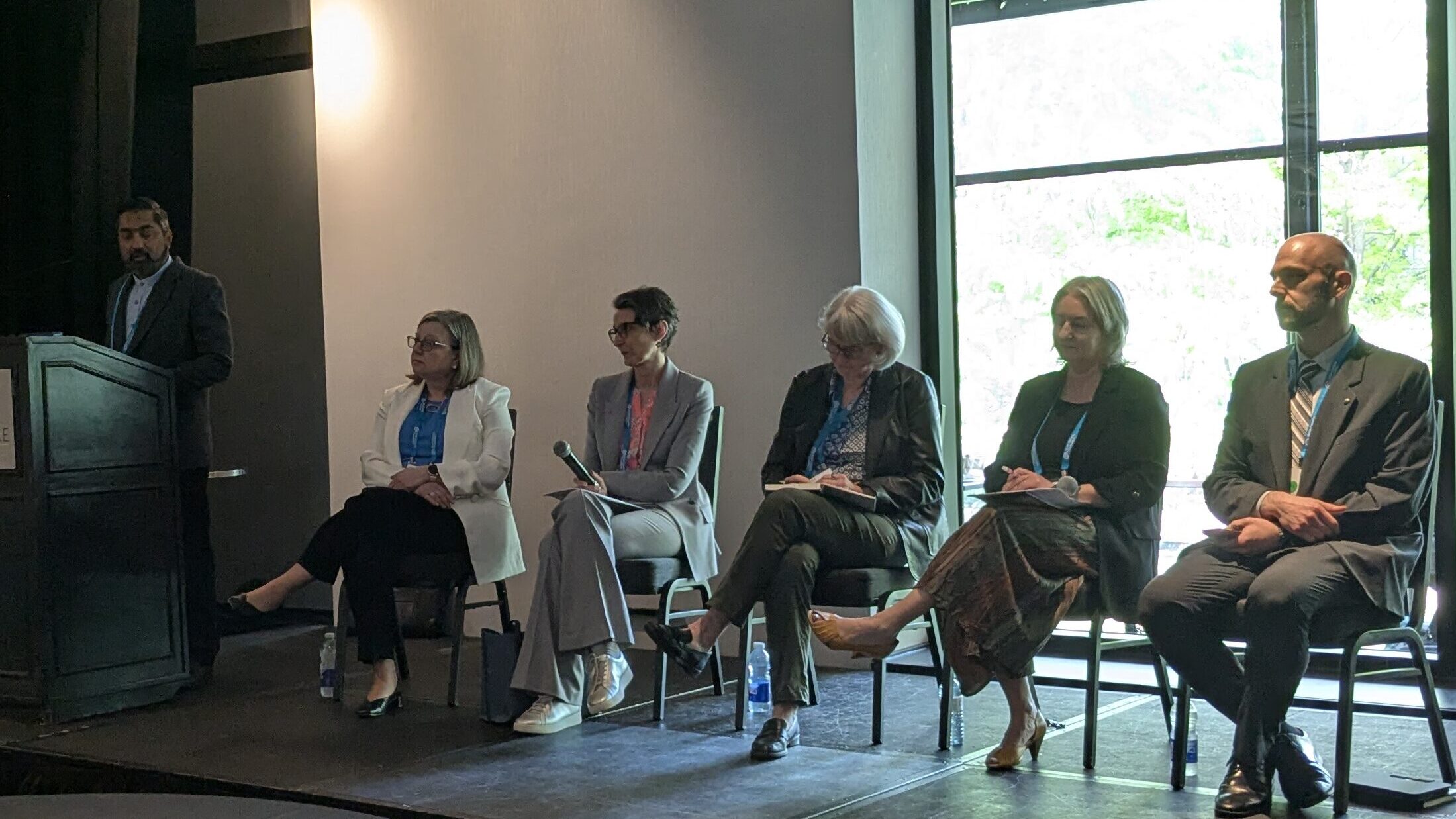
In partnership with the Society for Neuroscience
We were proud to host a session on Advocating together: the importance of partnership and collaboration to support research advocacy
Panelists
- Katalin Toth – Past president of CAN and founder of the CAN advocacy committee
- Viviane Poupon, President and CEO, Brain Canada
- Laura Dickson, Director, Neurological Health Charities of Canada
- Diane Lipscombe – Past President of SfN and current Chair of the SfN Government and Public Affairs Committee
- Adam Katz – Director of Advocacy and Training, Society for Neuroscience
Host: Tabrez Siddiqui, Chair of the CAN advocacy committee
It was an opportunity for our panelists to discuss best practices and strategies to advocate for science funding, each from a different and informative point of view and approach.
Our members also participated in a lively question and answer session.
Key take-home messages include the need to adapt to the target audience, to work together with partners to maximize the reach and impact of messaging, and to remember that advocacy is a long game – and It is very important work for scientists to engage in.
Read CAN’s submission to the pre-budget consultations
We invite you to read our latest submission to the government of Canada, submitted during the House of Commons Standing Committee on Finance (FINA) pre-budget consultation process.
https://can-acn.org/wp-content/uploads/2026/05/CAN-pre-budget-submission-May-2026.pdf
CAN2026 Meeting Highlights
Public lectures: Je Me Souviens – Montréal, the Memory City
Congratulations to Stuart Trenholm, local chair for the CAN 2026 meeting, on the organization of a great event where the public learned about past, current and future memory research in Montreal with engaging lecturers.
A special reception and book signing session took place after the presentations, with food and drinks. Special thanks to all volunteers for their help, including Aude Guillemin, Peter Vitaro, Santina Duarte and members of the Trenholm lab!
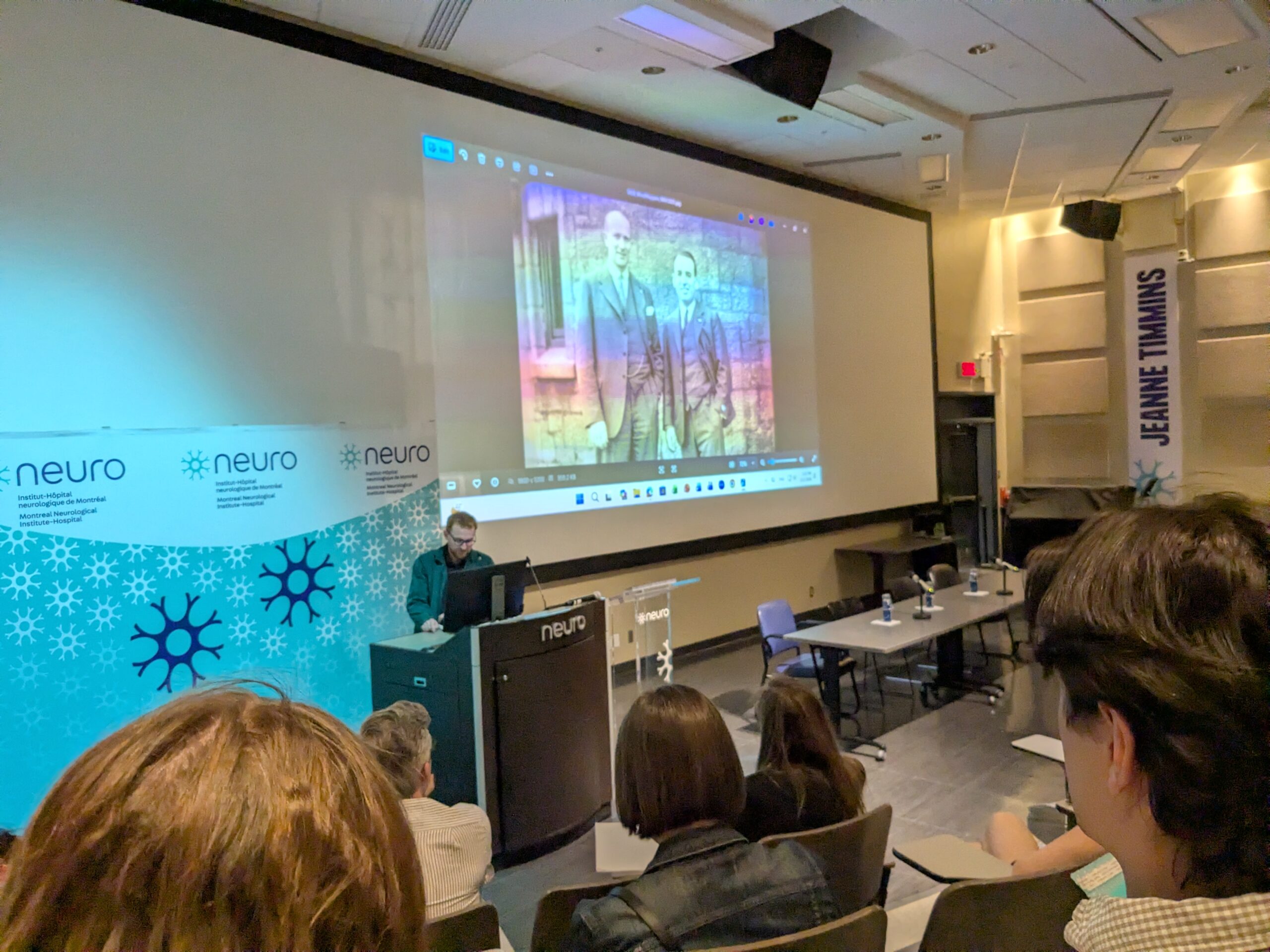
Eric Andrew-Gee is a correspondent in the Globe and Mail’s Quebec bureau. The Mind Mappers, his bestselling history of the Montreal Neurological Institute and its founding partners, was published in May 2025 and awarded the Quebec Writers’ Federation First Book Prize.
Dr. Mihaela Iordanova is Professor at Concordia University, a Canada Research Chair (Tier 2) in Behavioural Neuroscience, and co-director of the Centre for Studies in Behavioral Neurobiology.
Dr. Iordanova brought this story into the present day, drawing on her own research at Concordia into how the brain forms memories about rewarding and threatening events, how those memories are revised when the world changes, and how memories can influence conditions like anxiety and addiction.
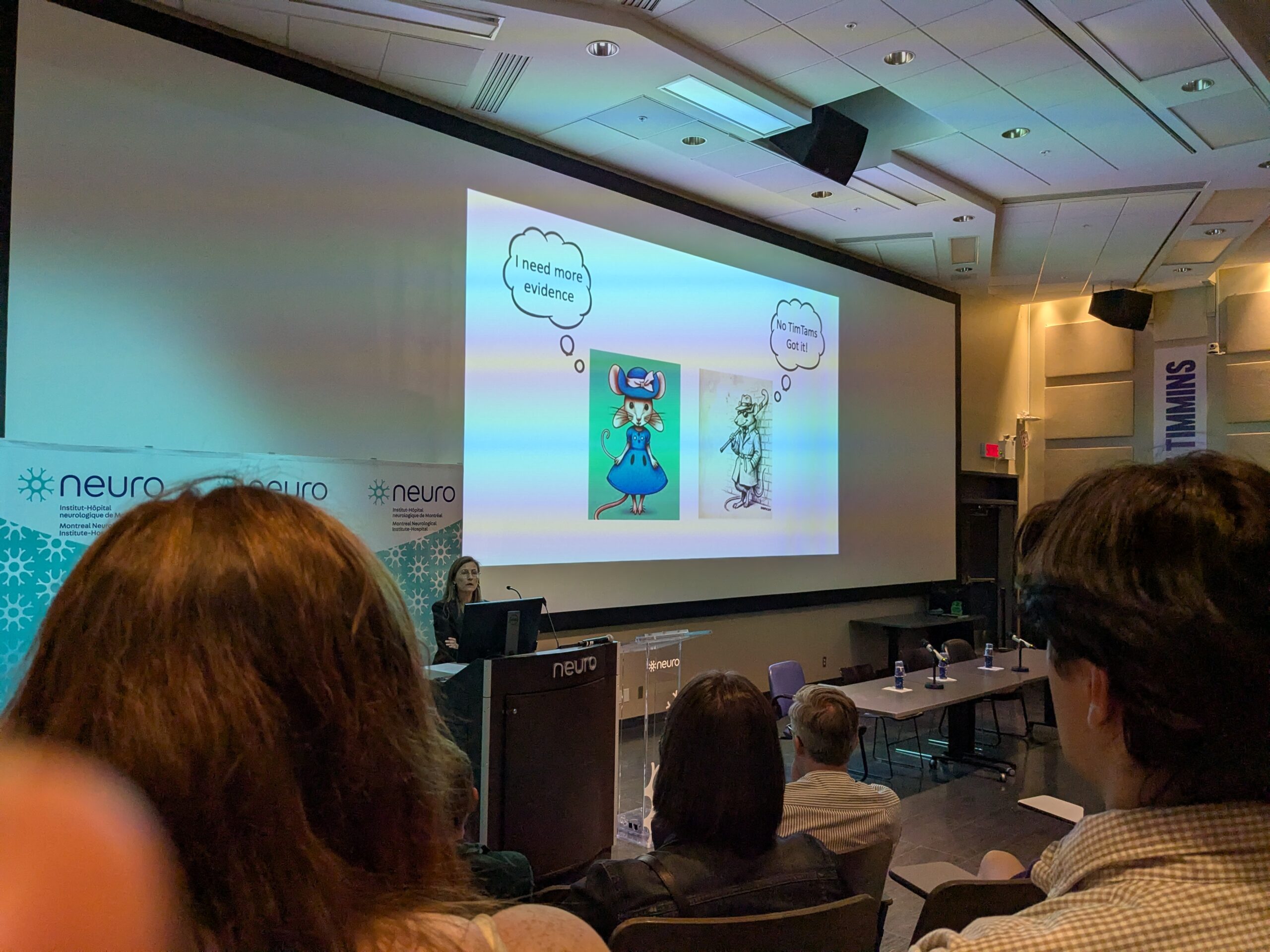
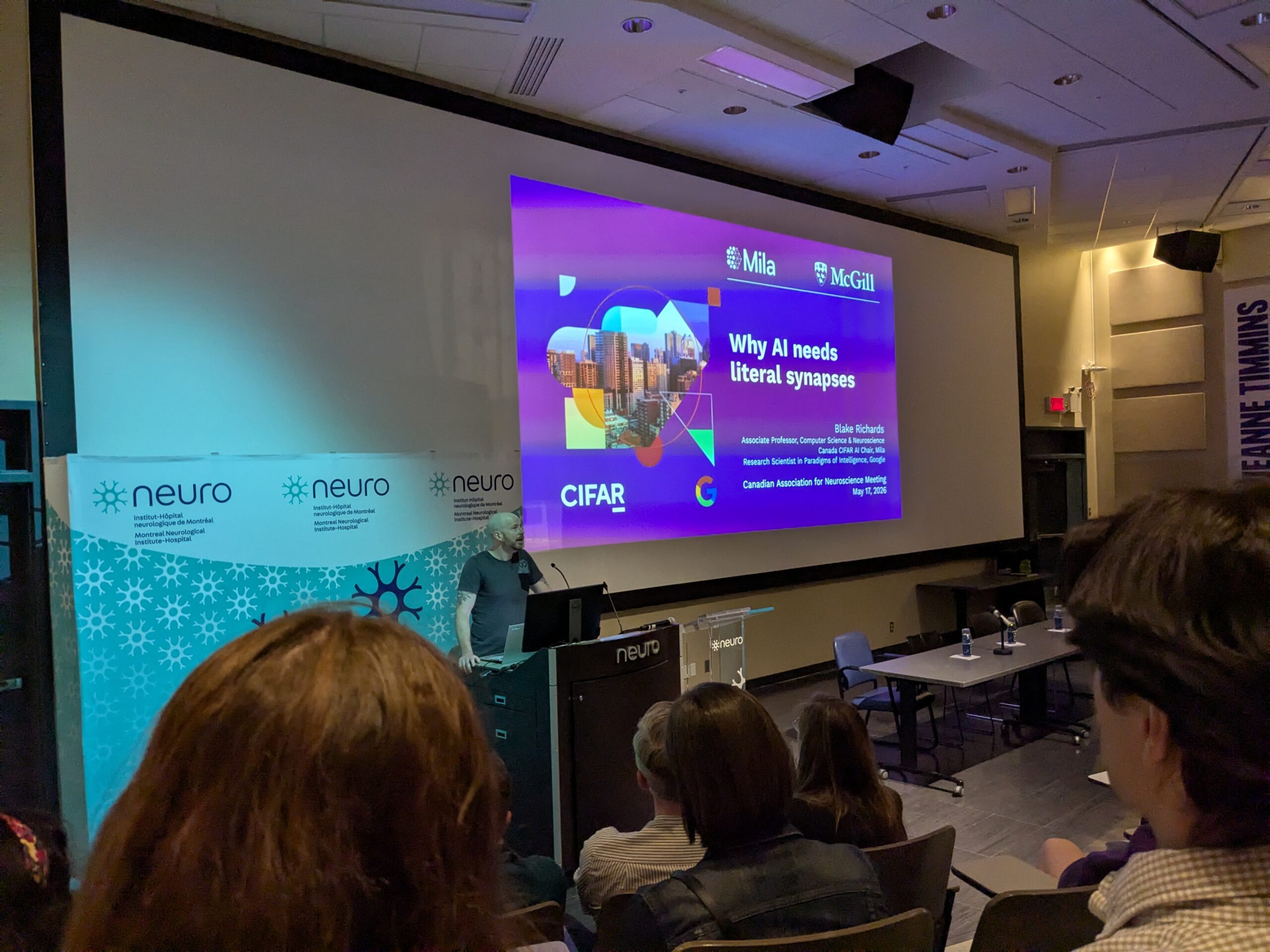
Dr. Blake Richards is Research Scientist with the Paradigms of Intelligence team at Google, and an Associate Professor in the School of Computer Science and The Neuro at McGill University
One of the biggest challenges in AI is the vast amount of energy consumed by any task. Dr. Richards showed that making neuron-like chips could reduce energy consumption by orders of magnitude. He provided some longer-term predictions for how we may develop truly Hebbian AI with a little help from neuroscience.
We wish to thank the speakers for a very informative and entertaining evening, and the local chair and team of volunteers for making this event a great success.
Scientific Program
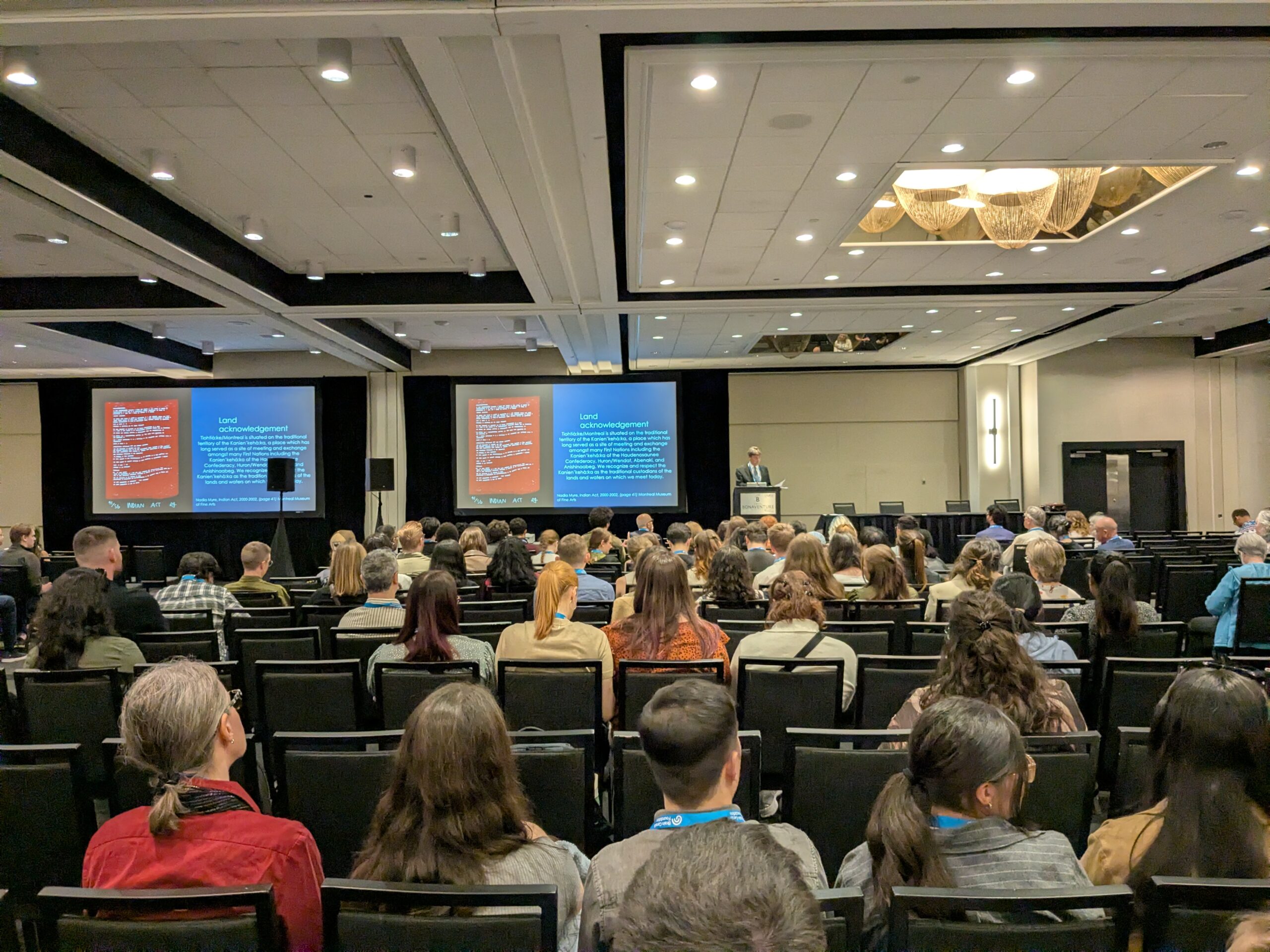
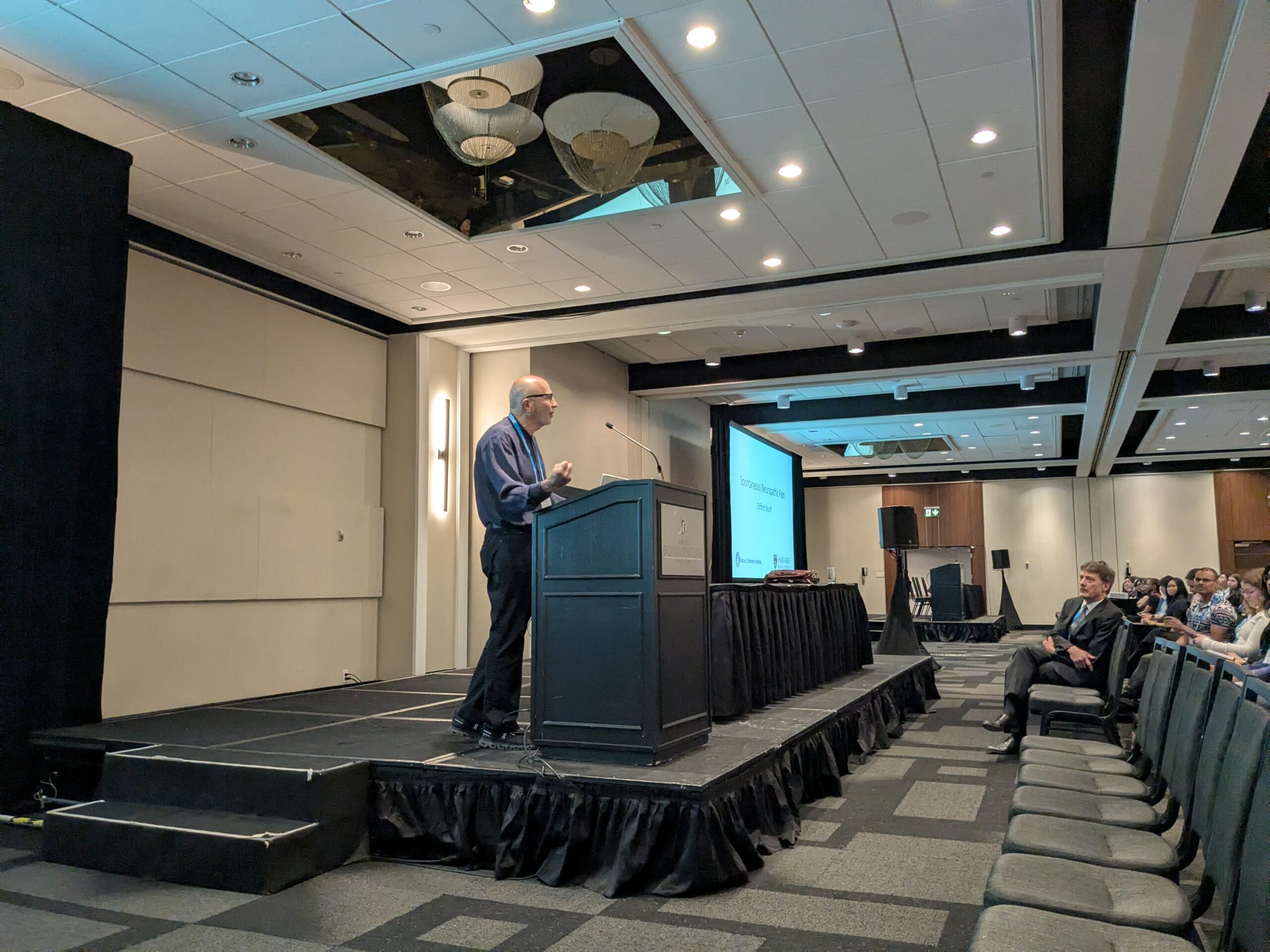
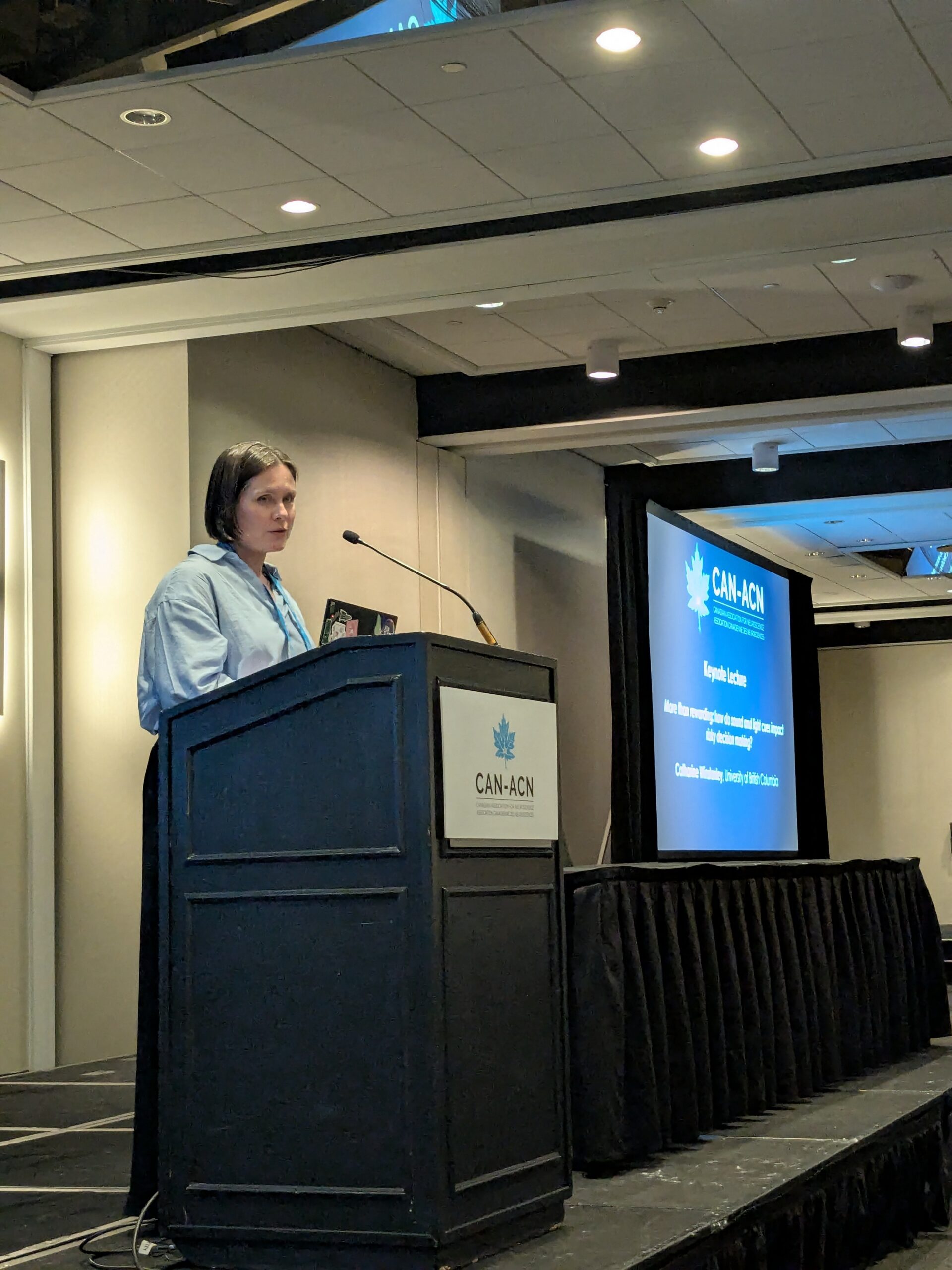
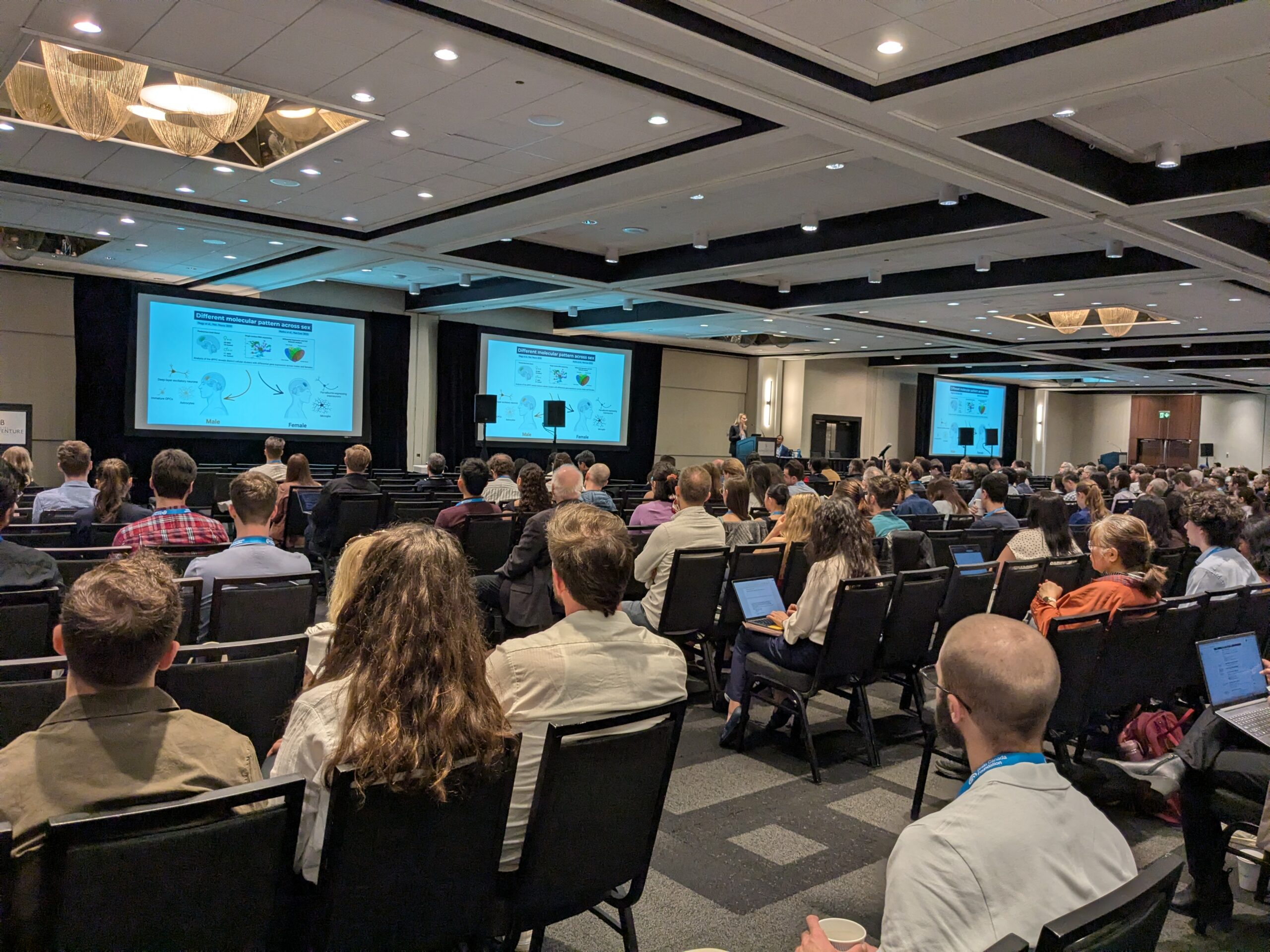
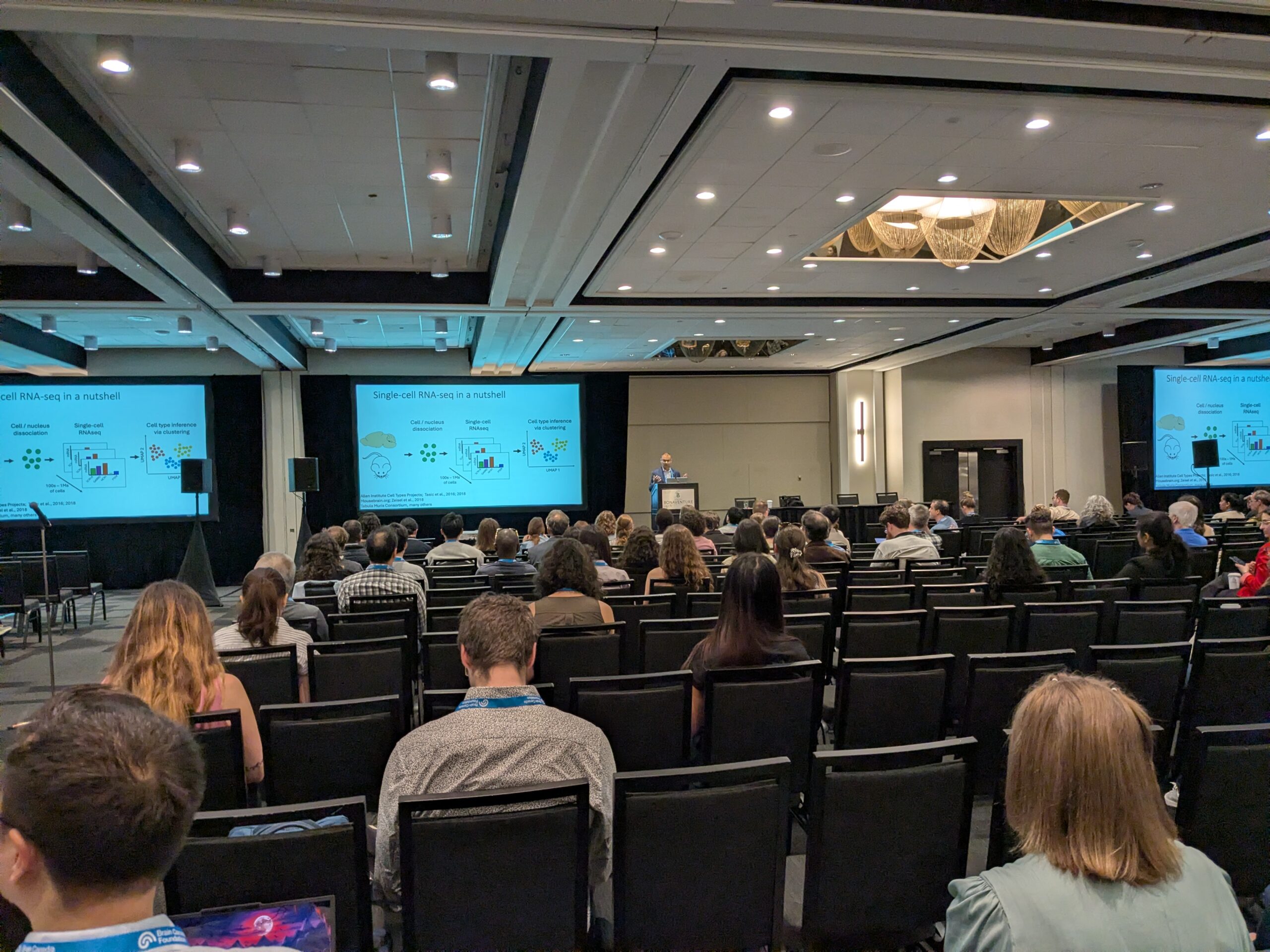
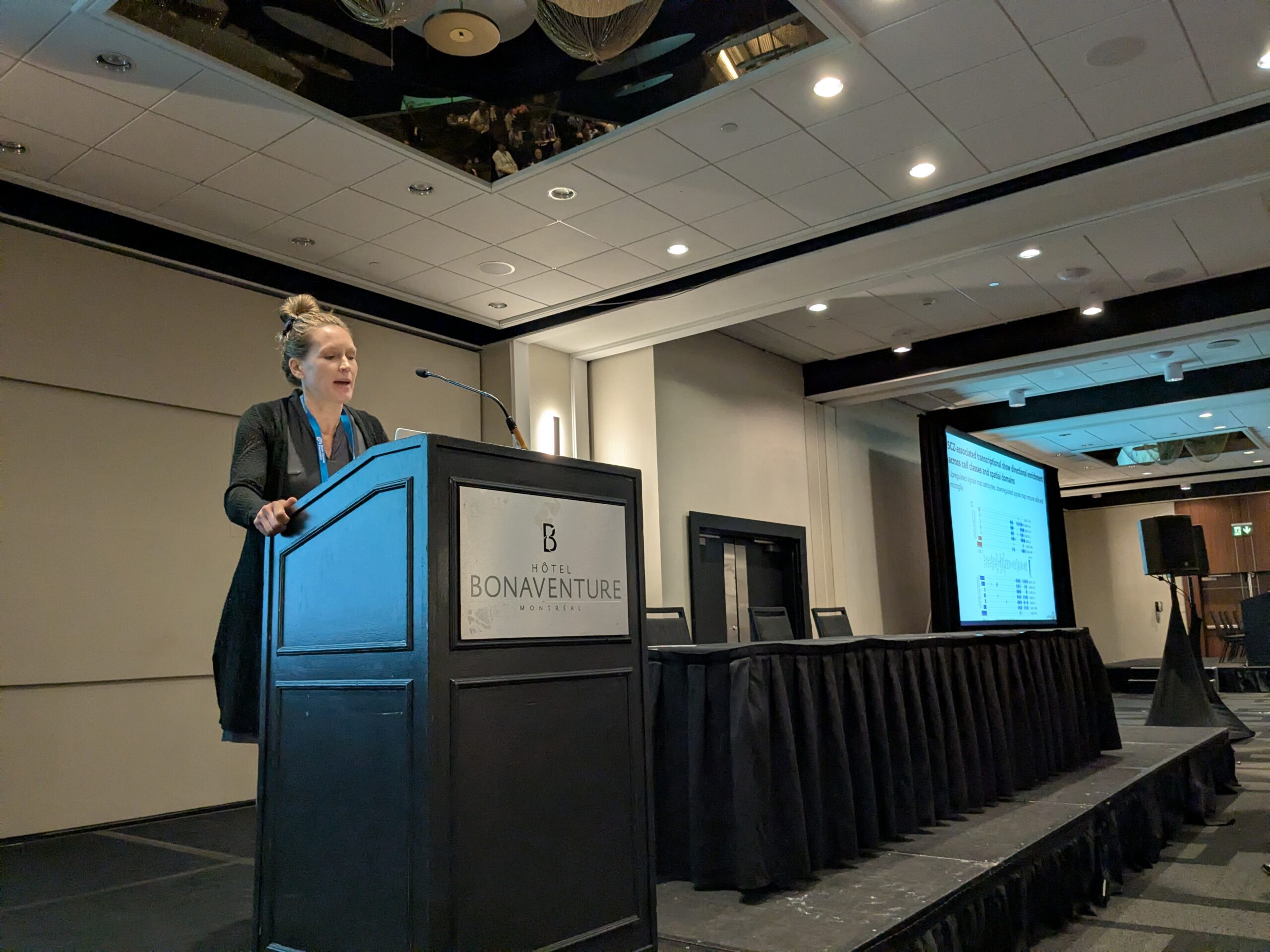
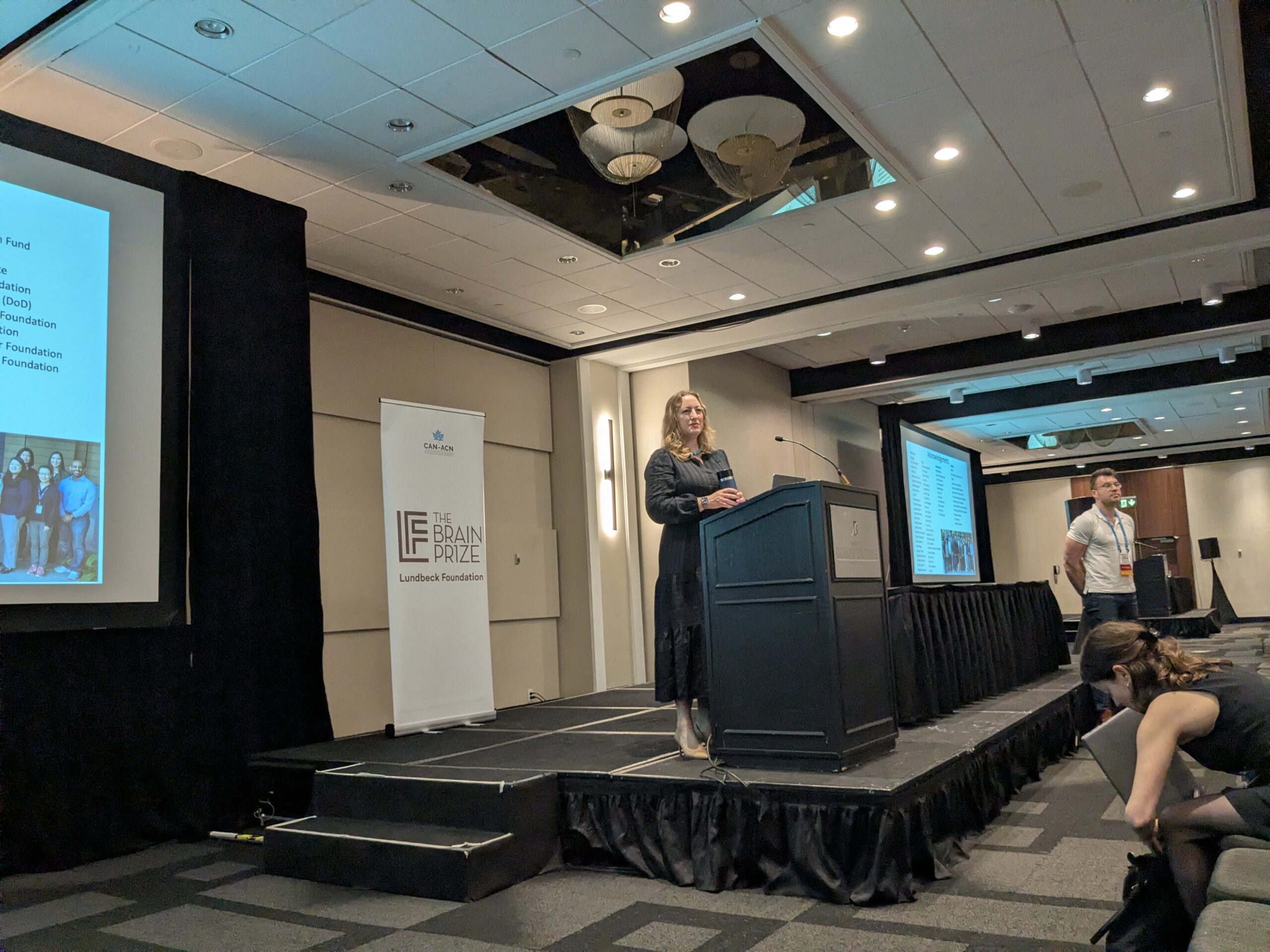
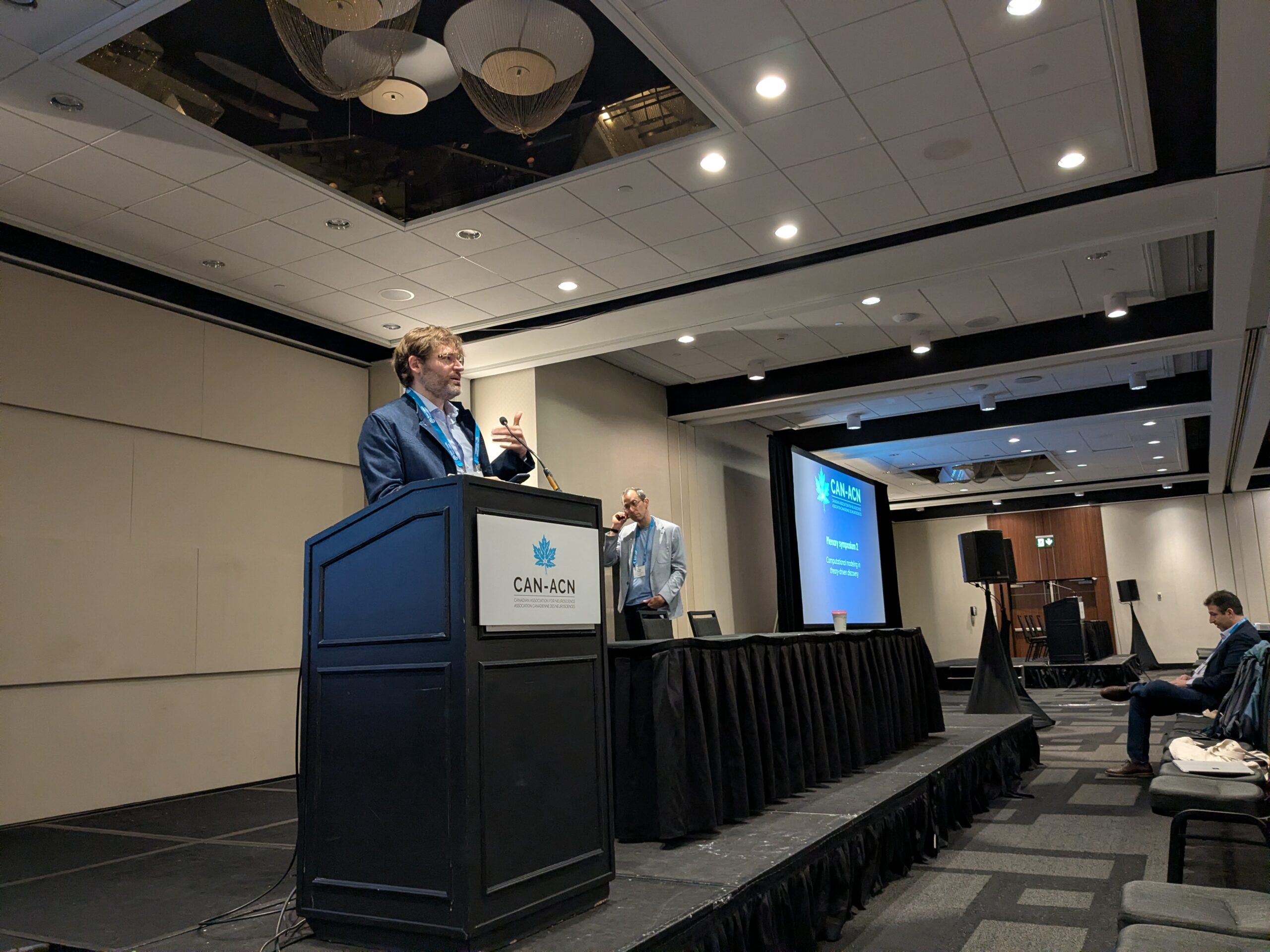
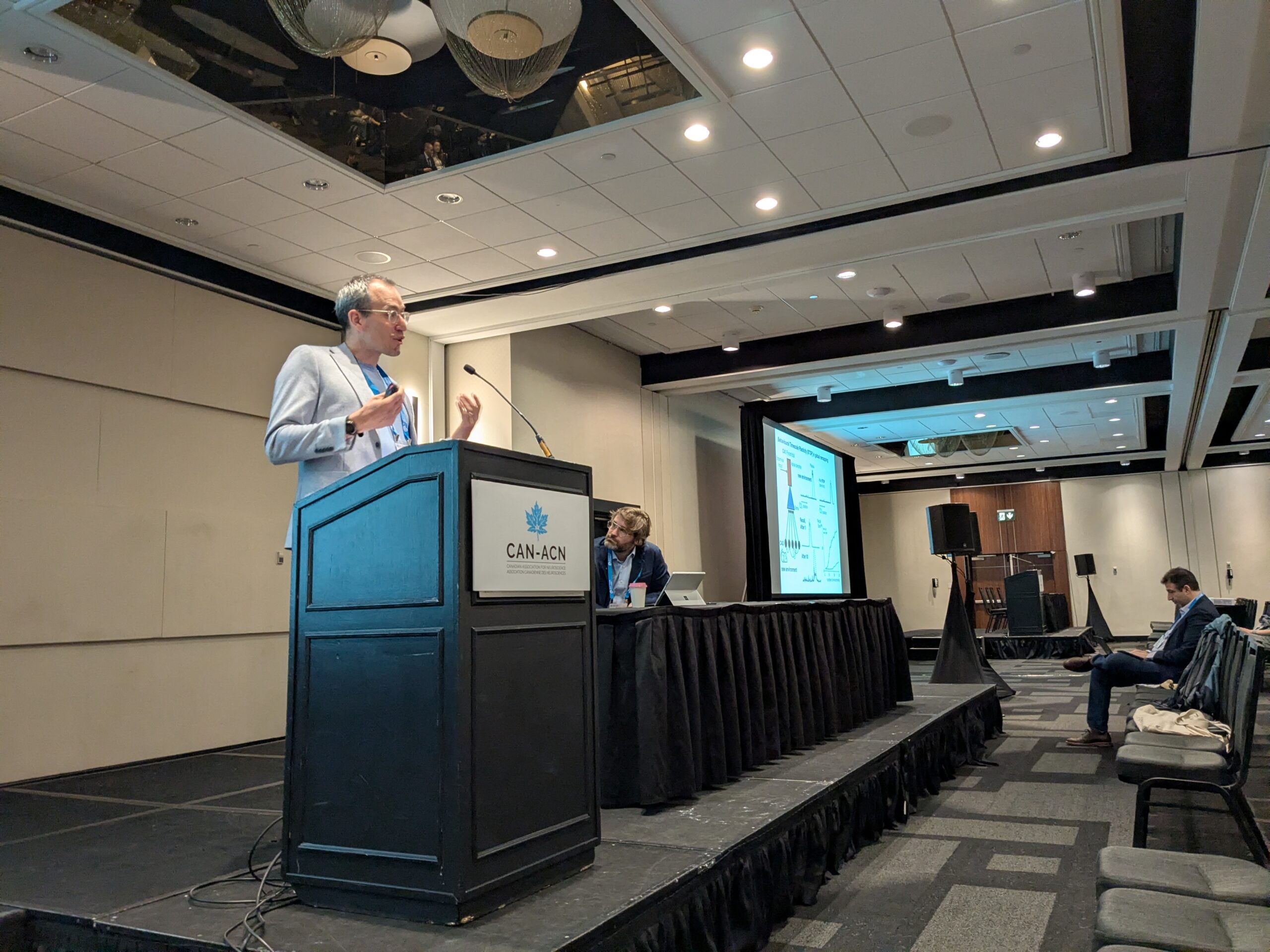
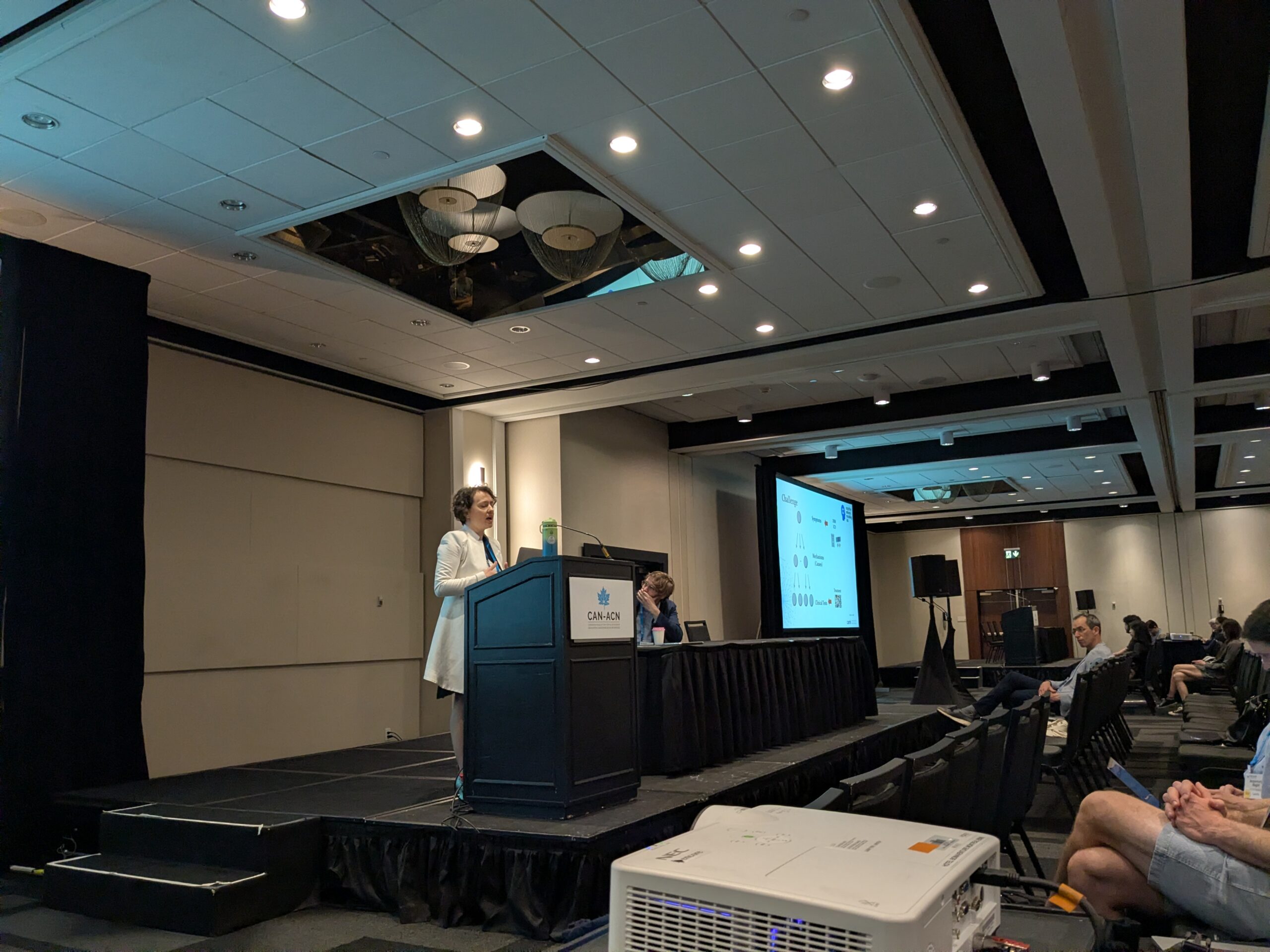
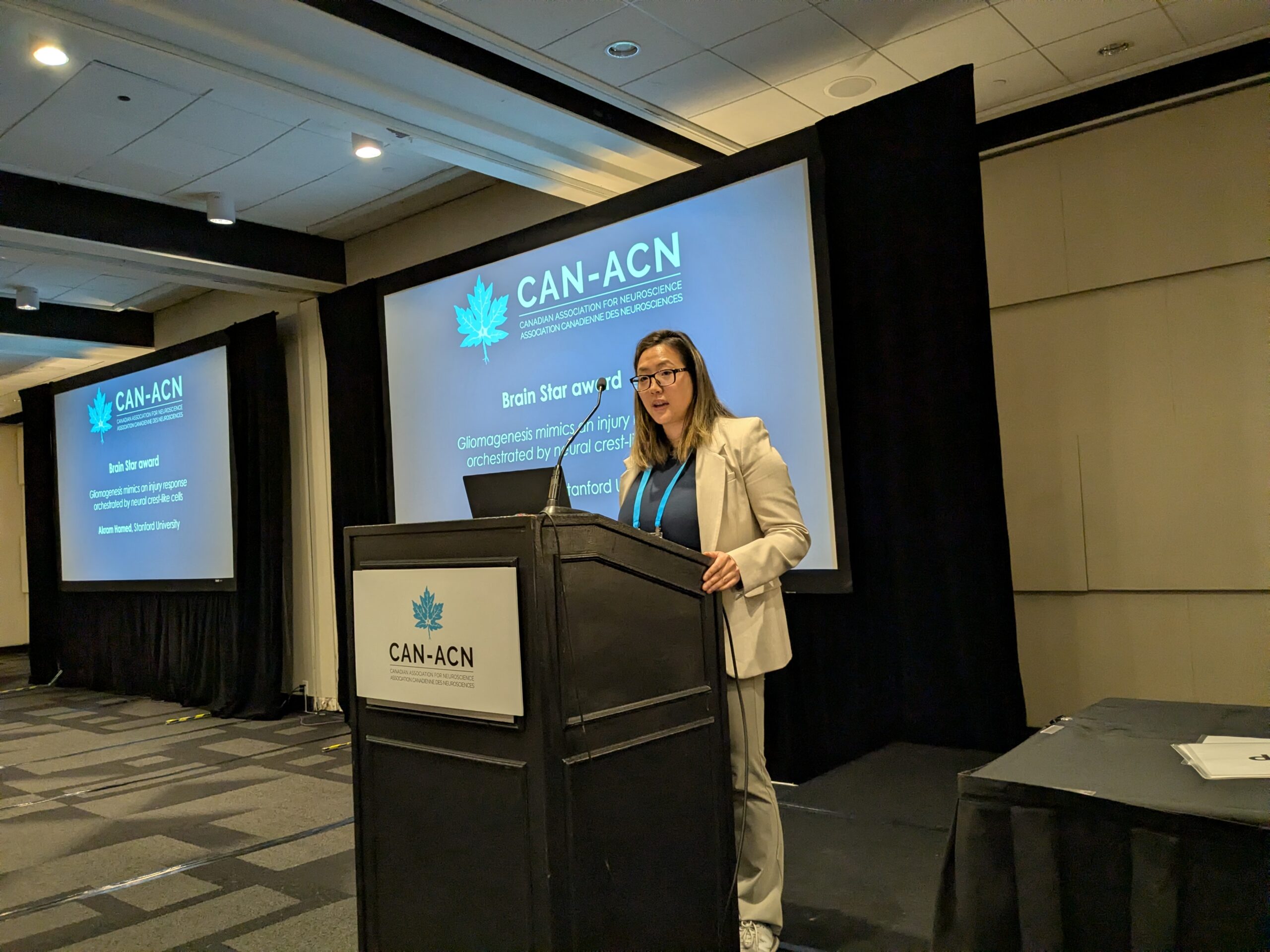
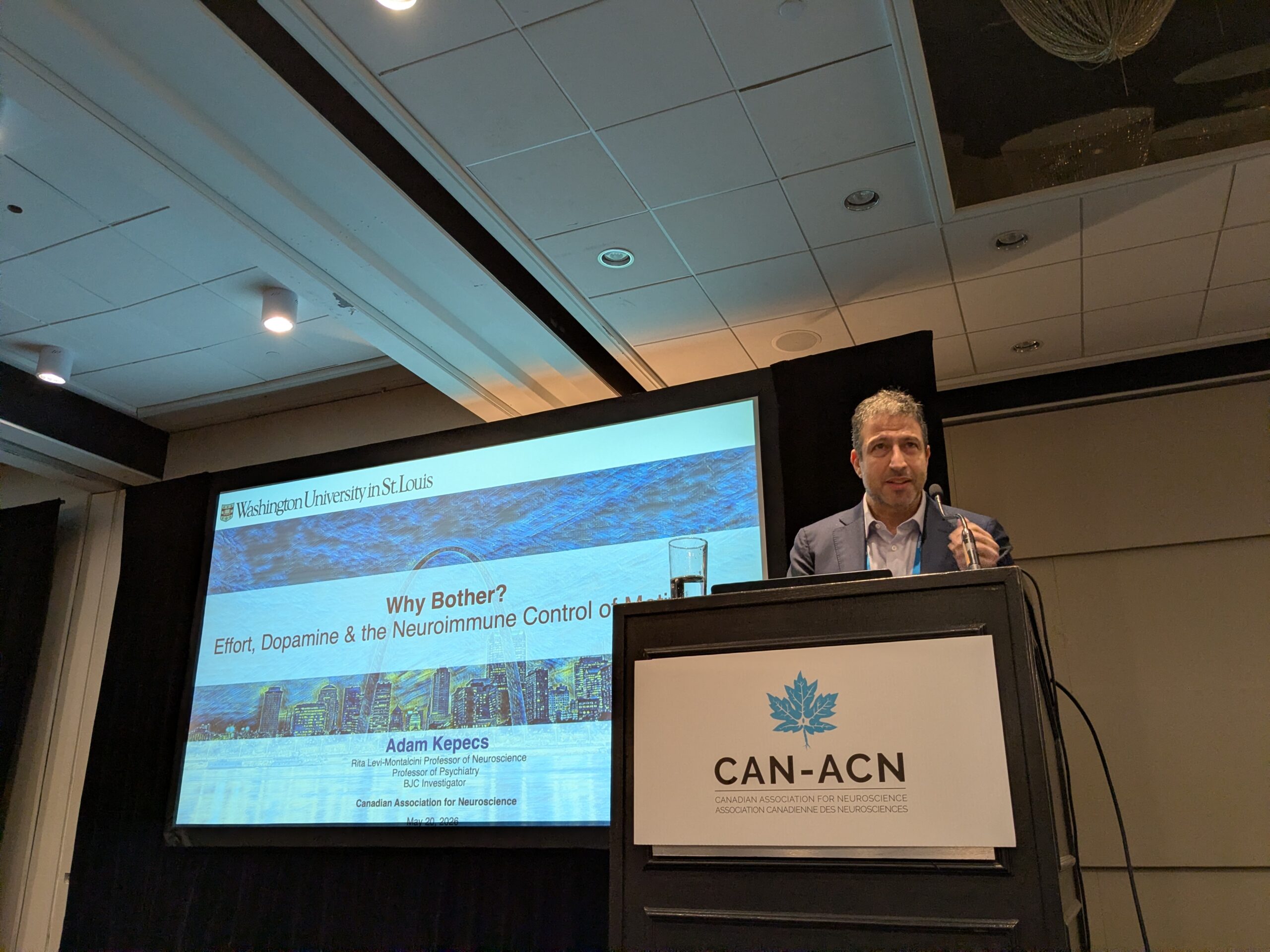
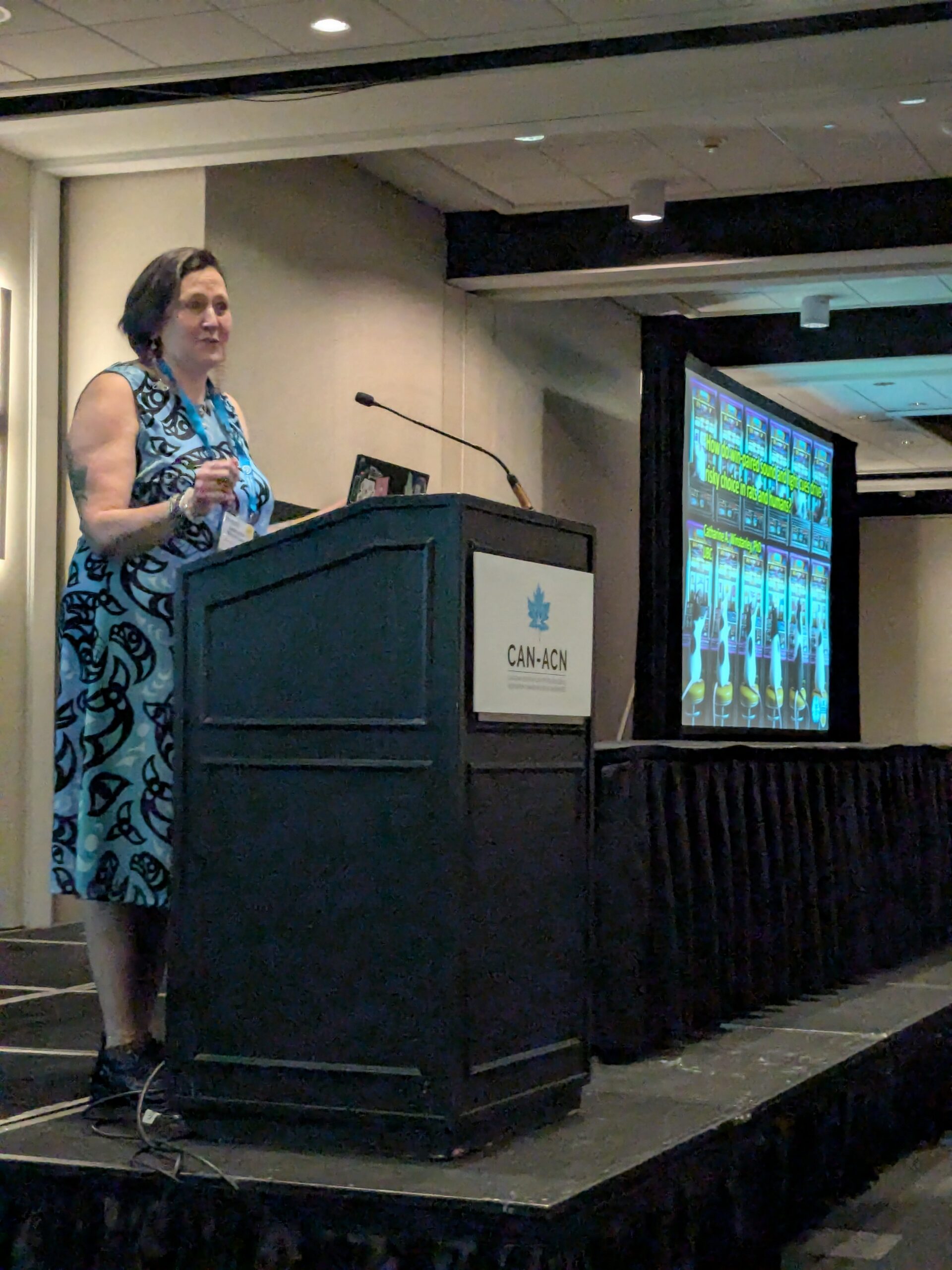
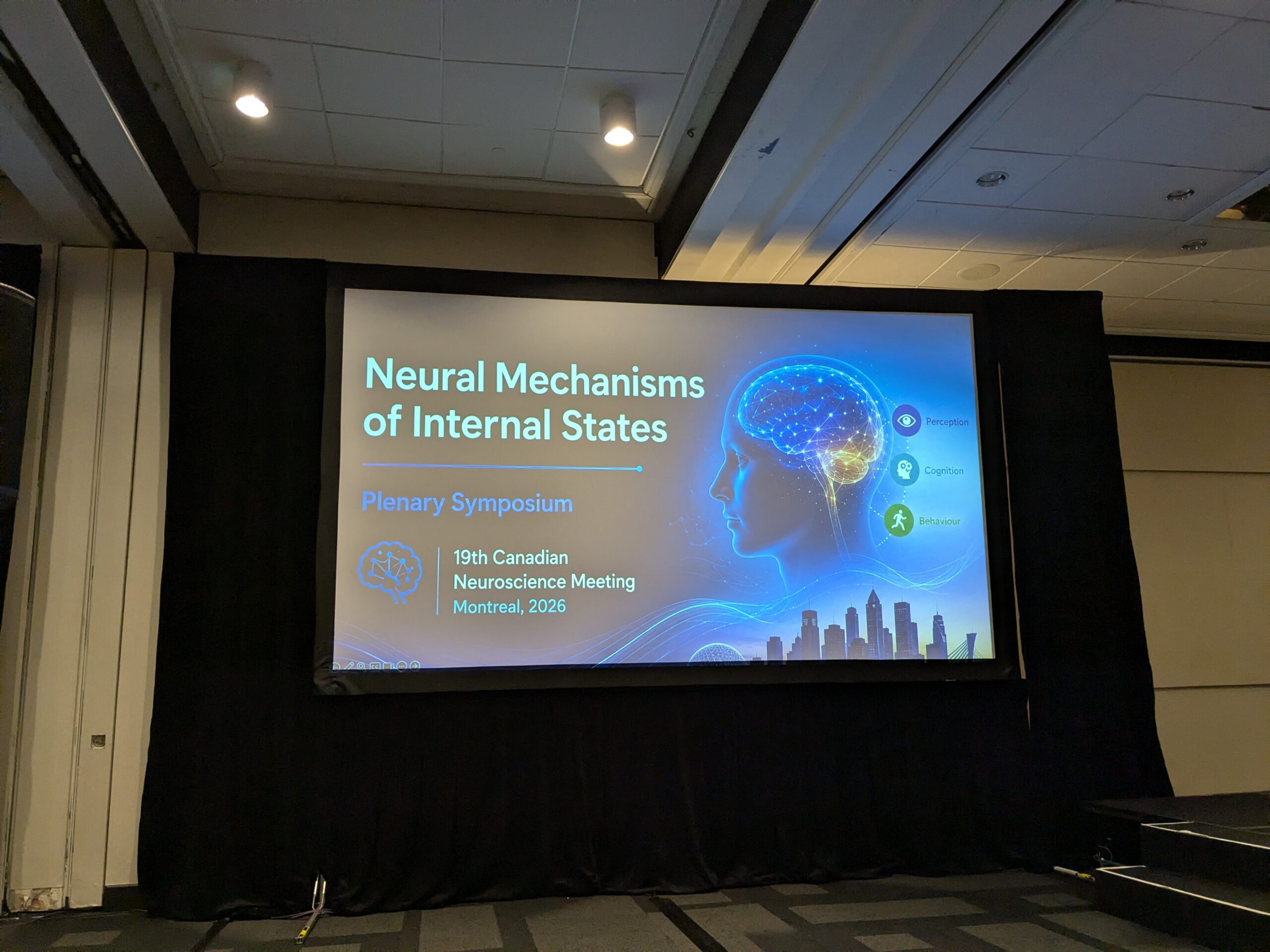
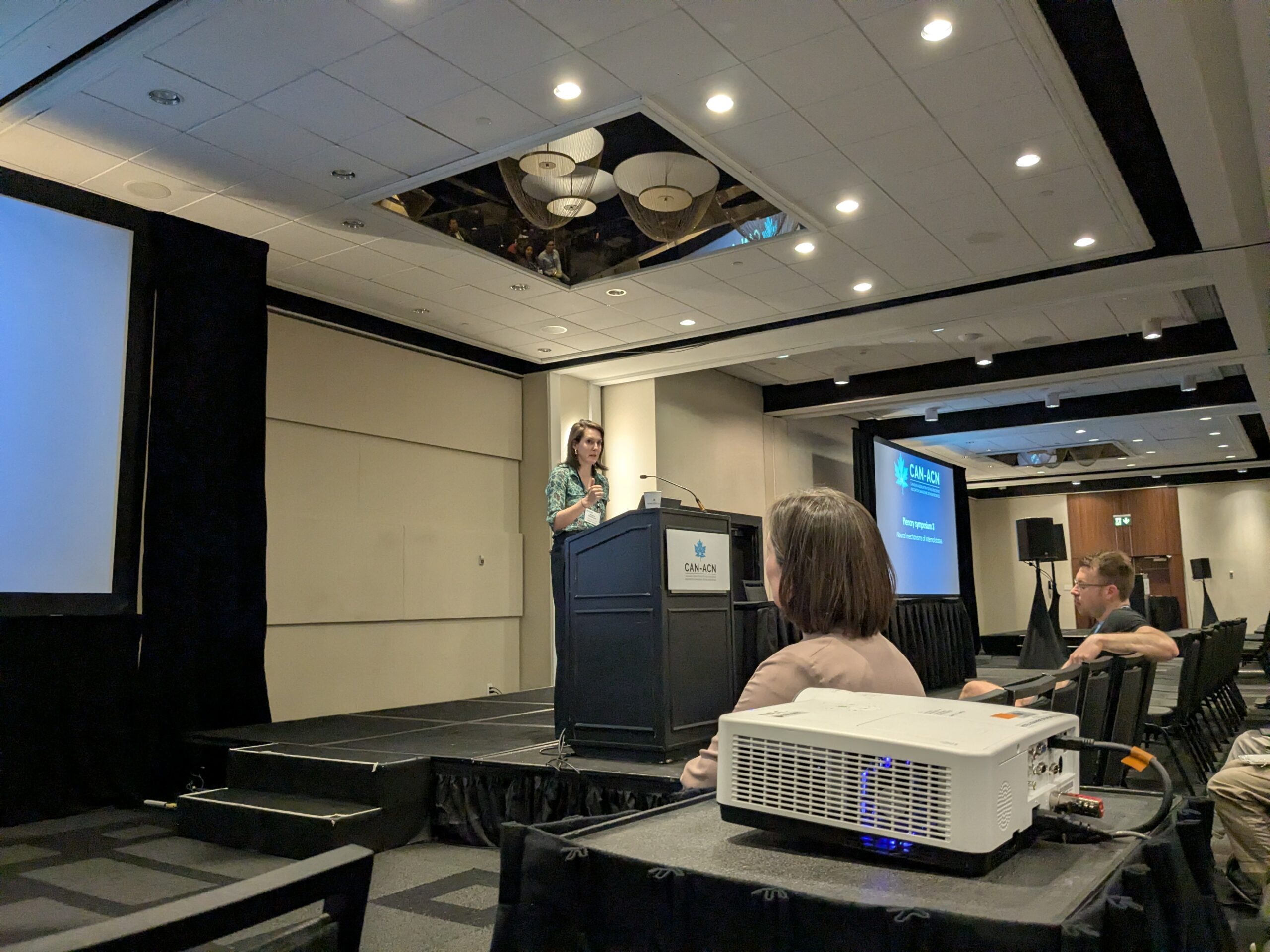
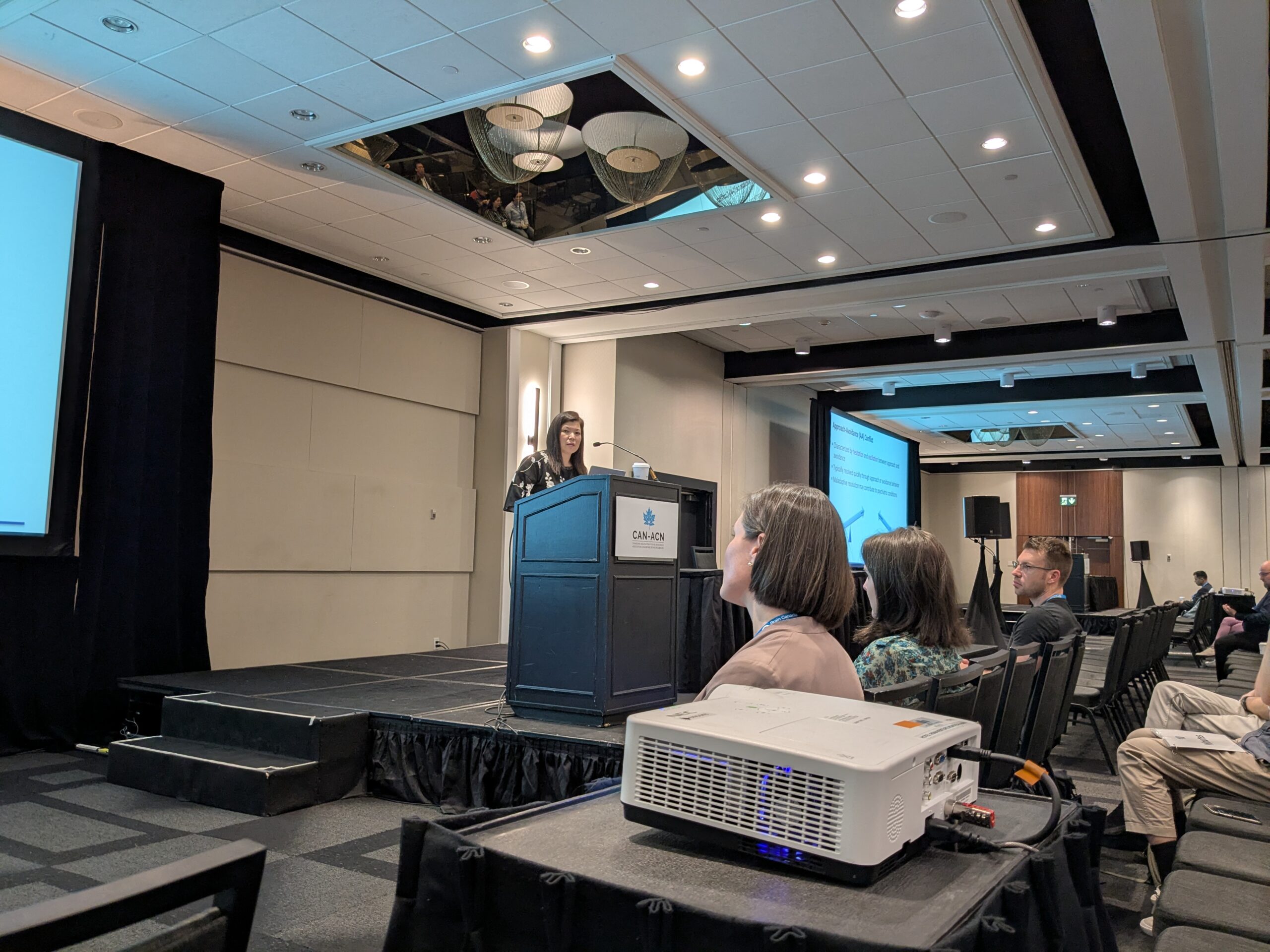
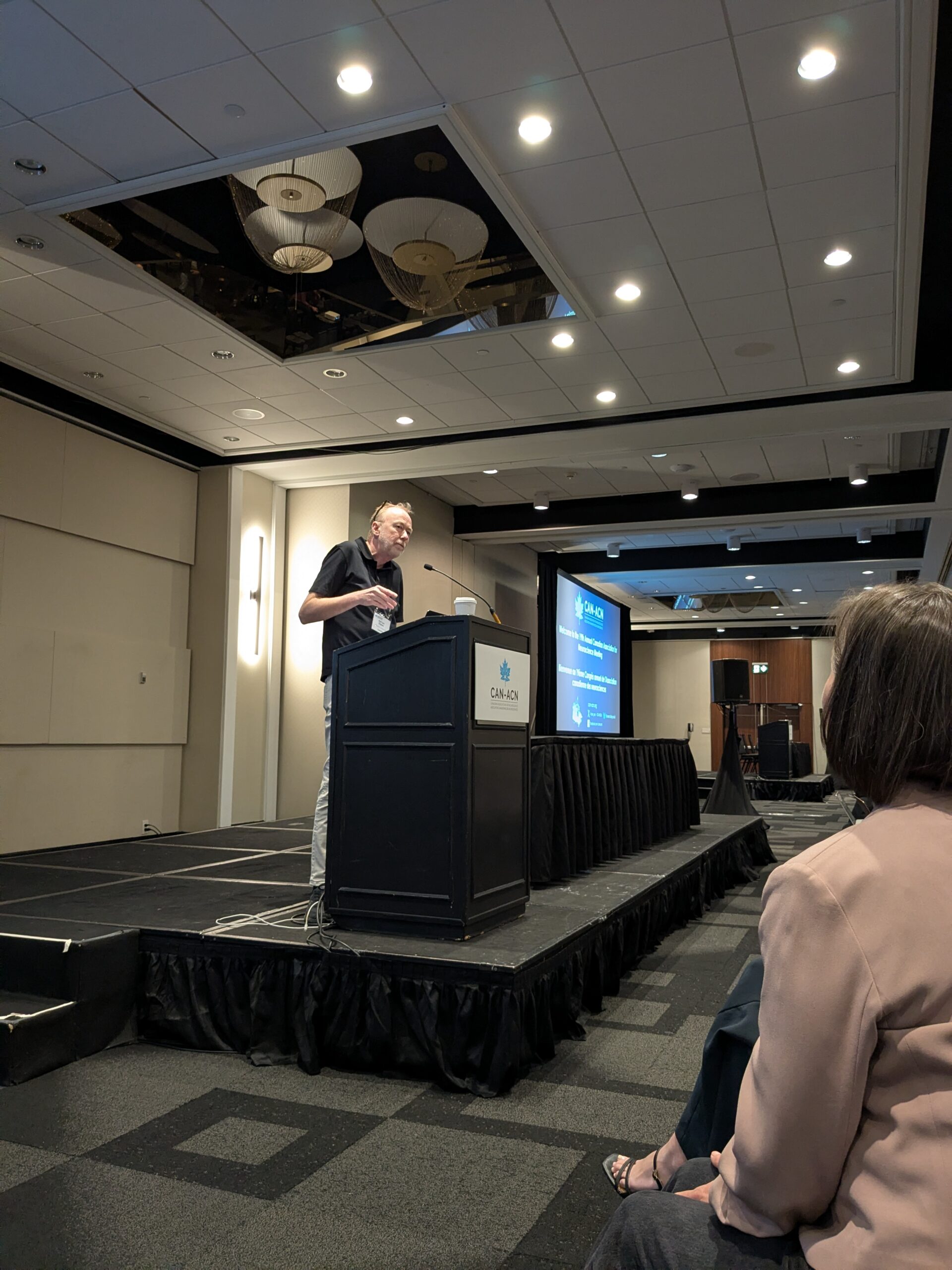
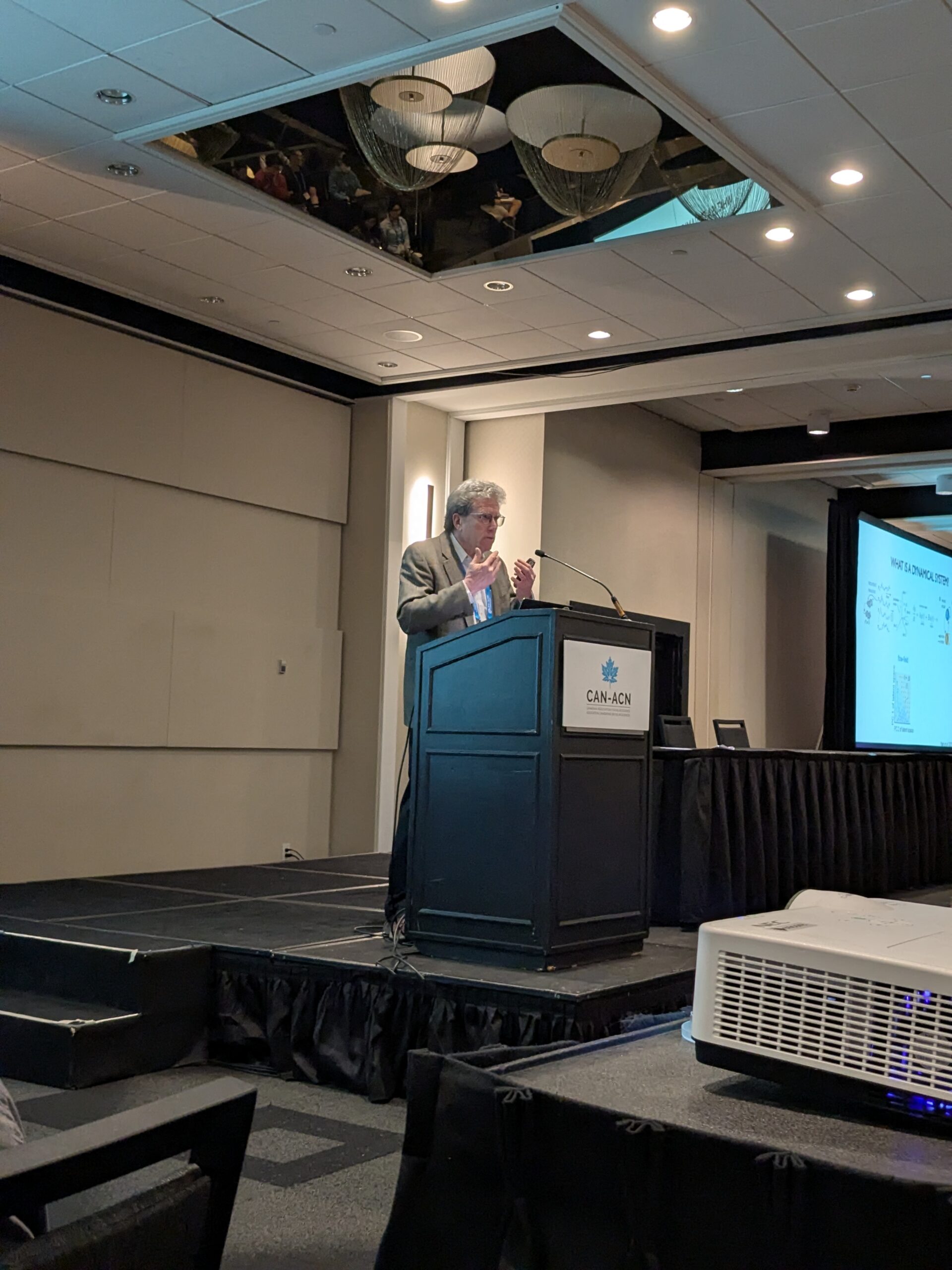
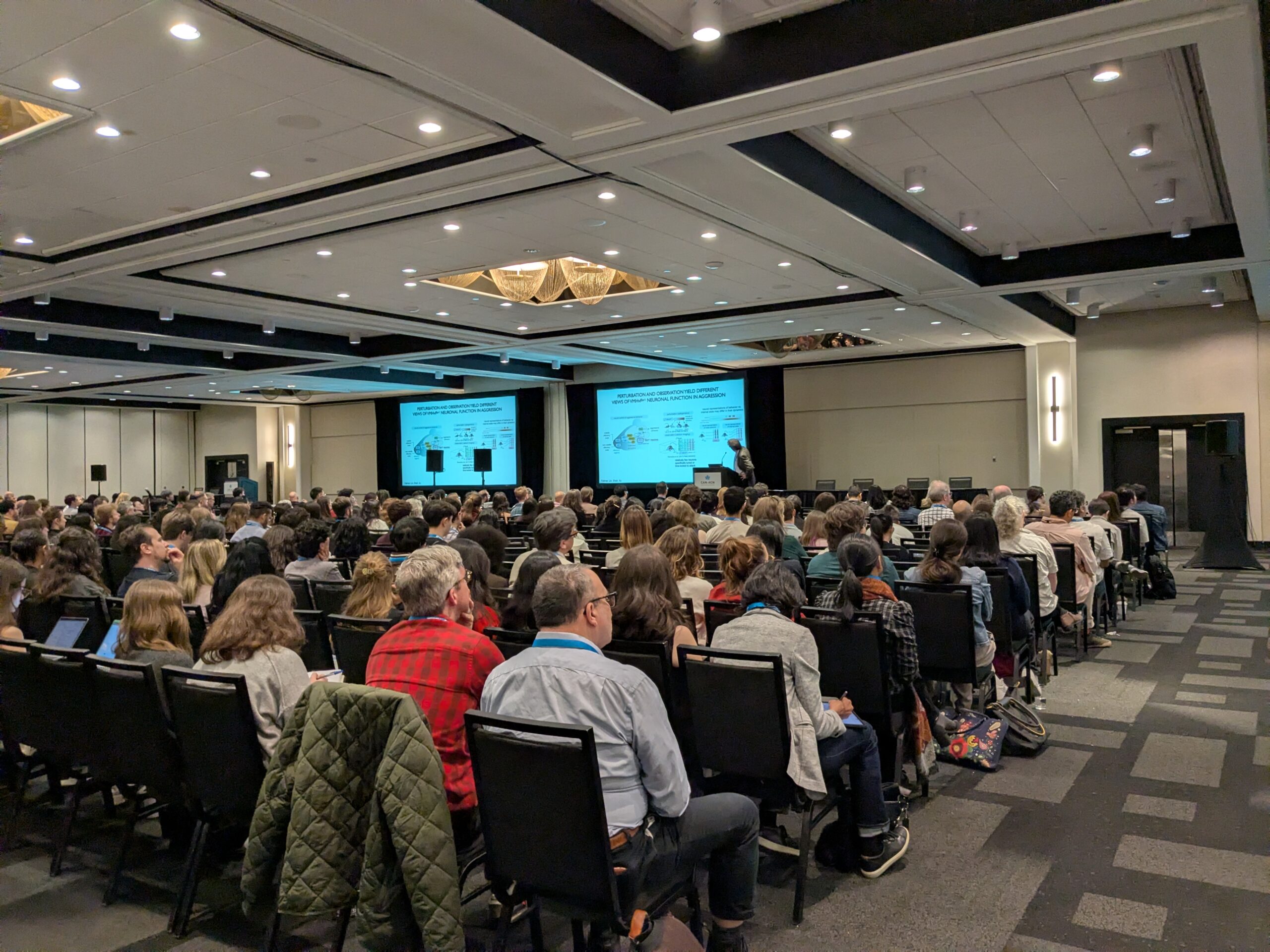
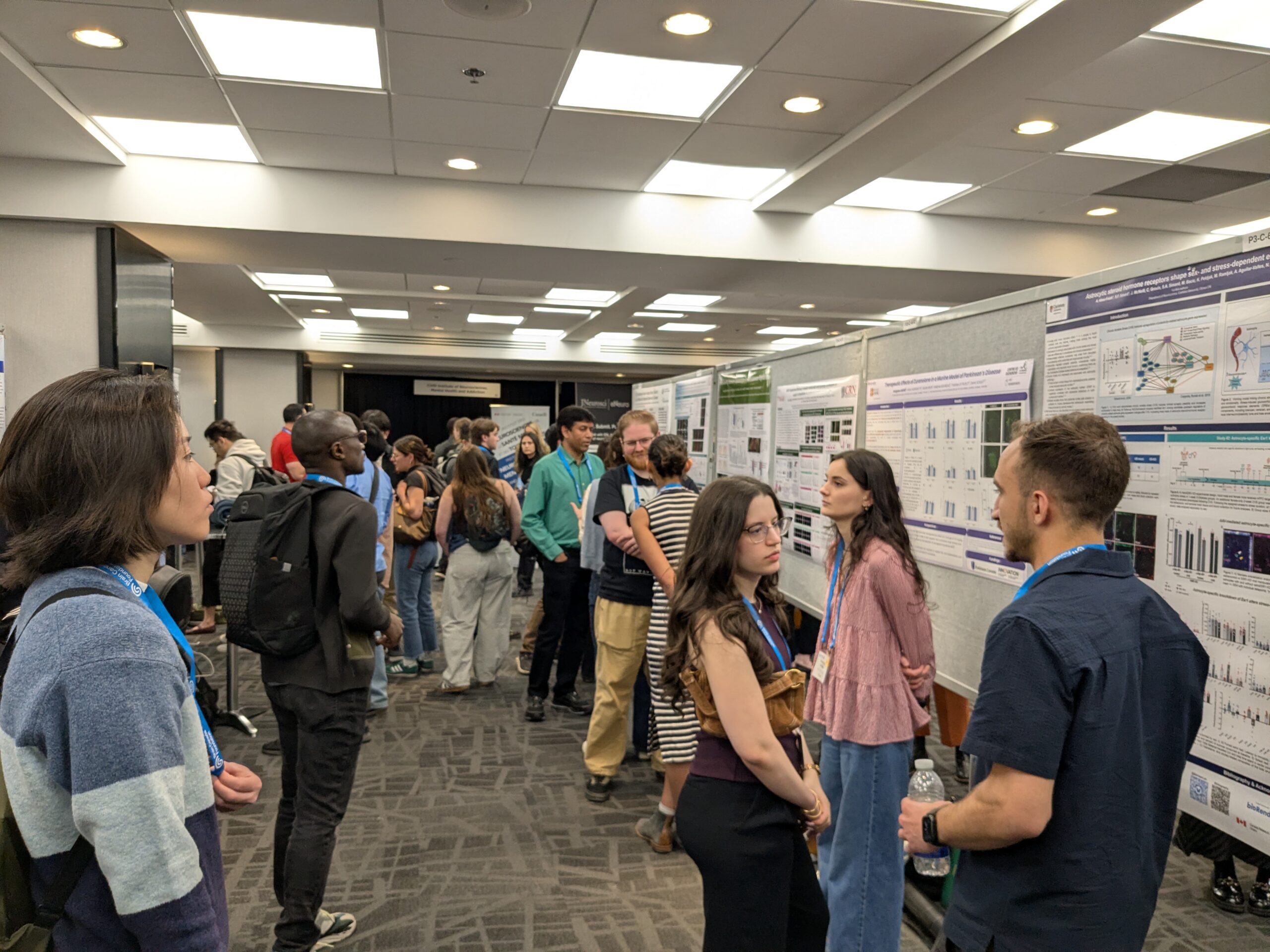
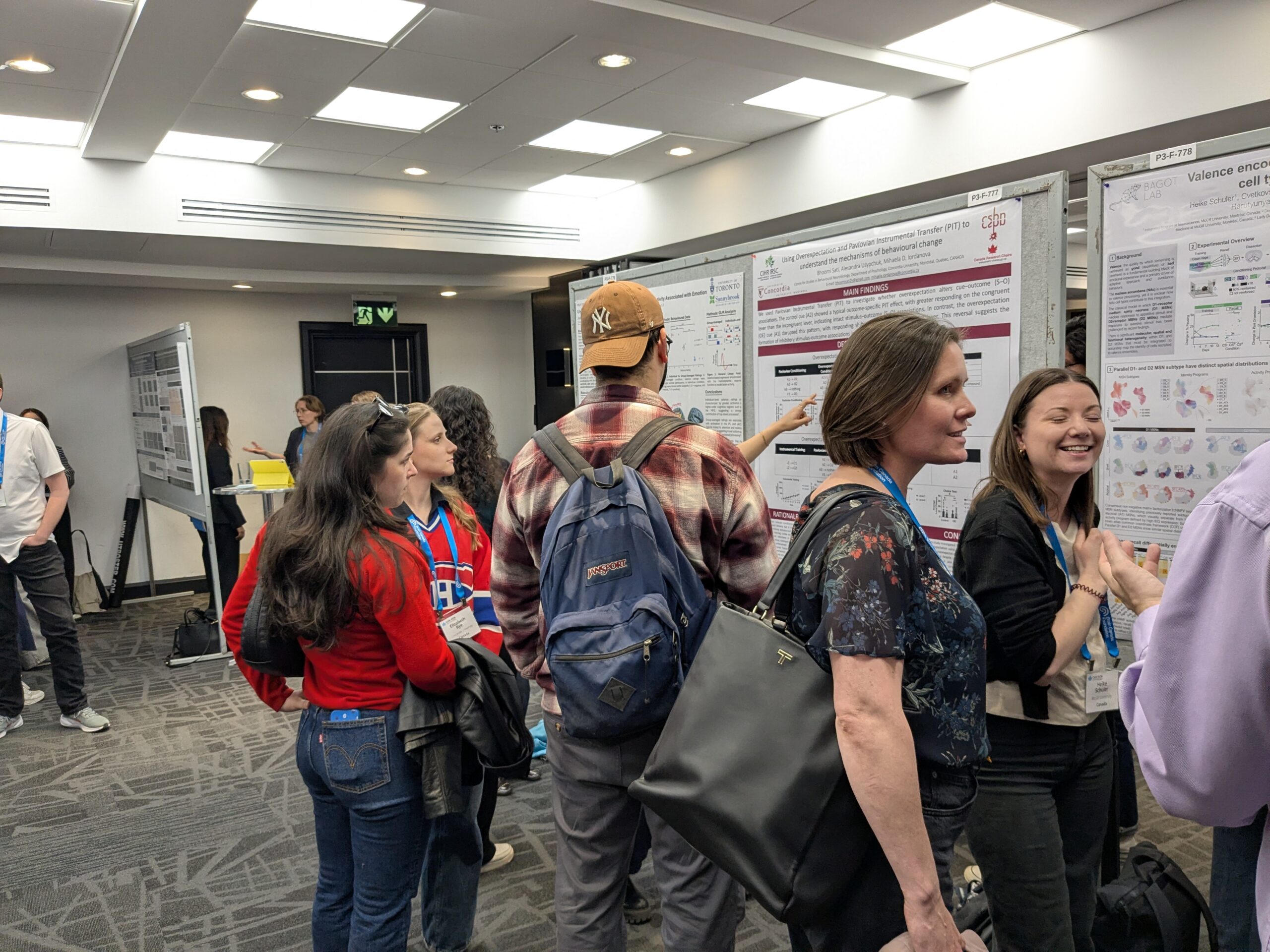
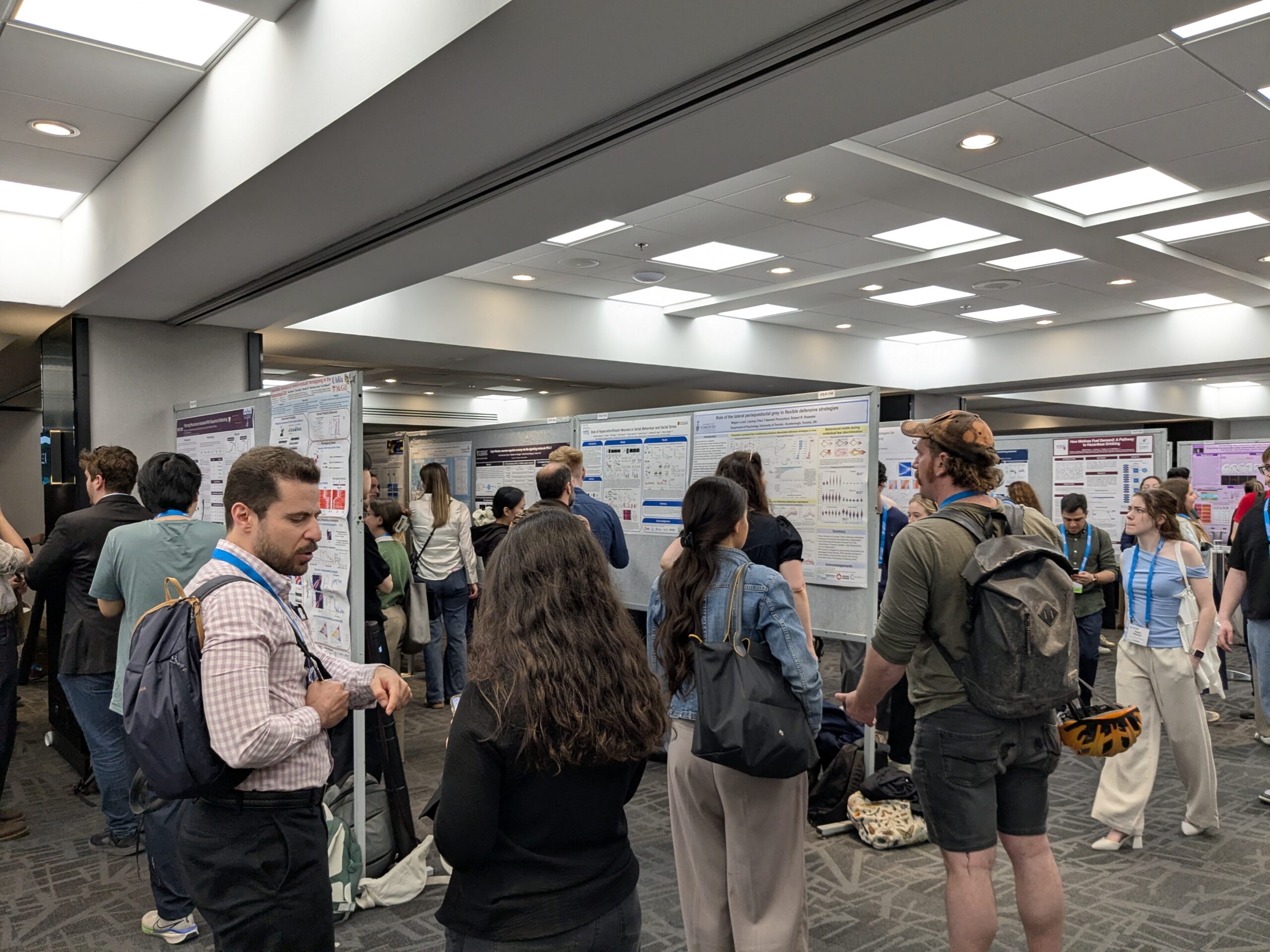
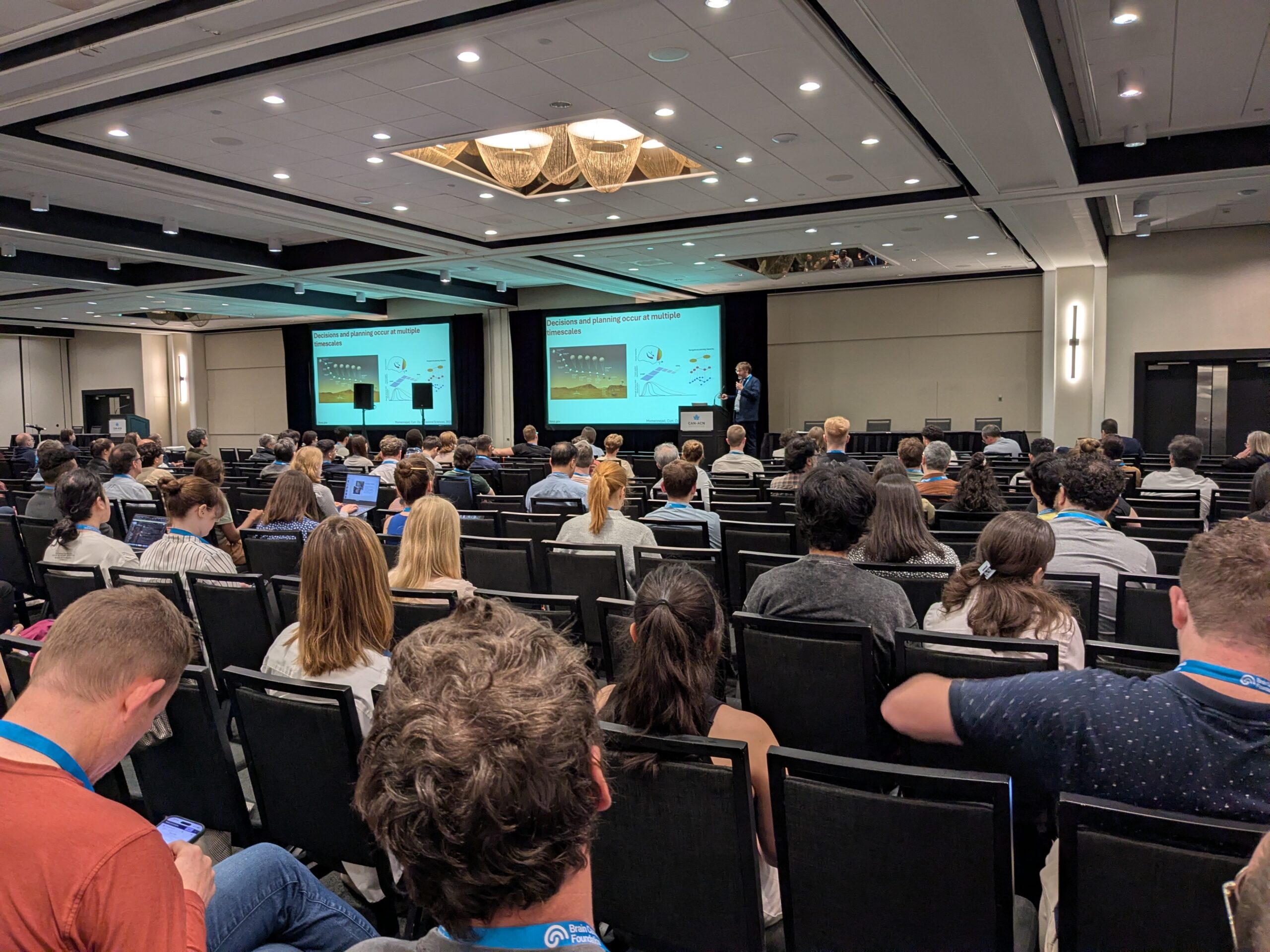
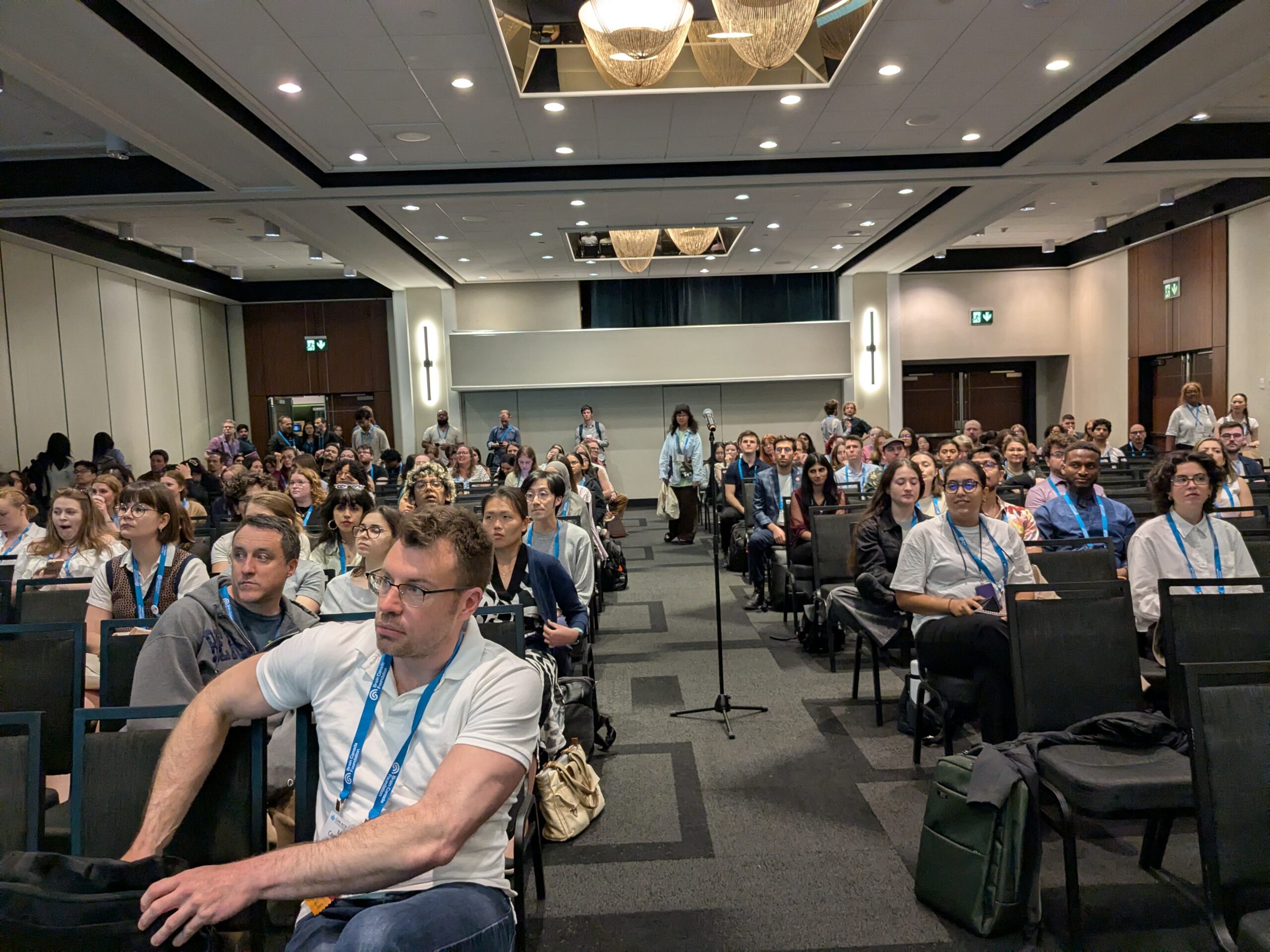
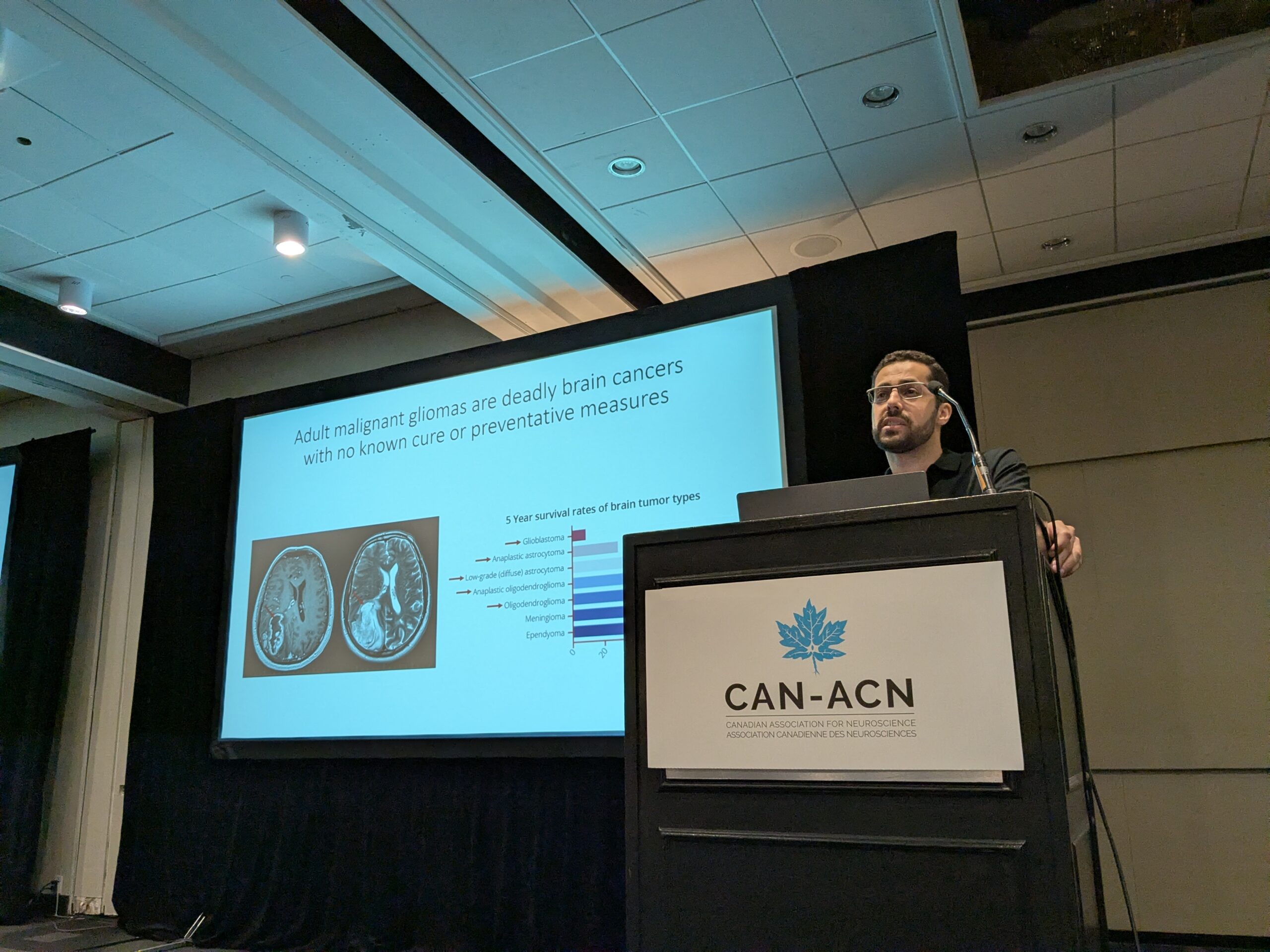
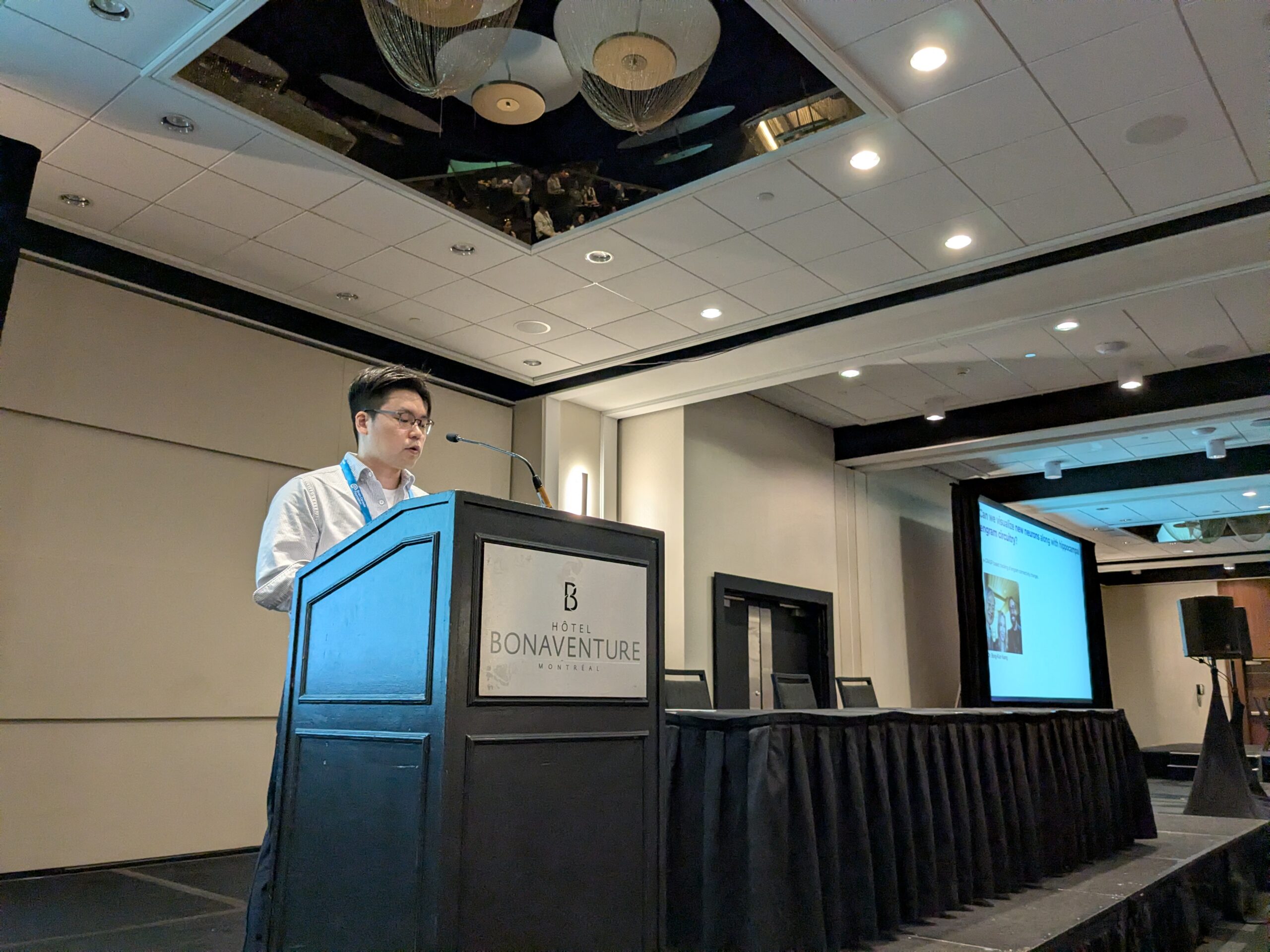
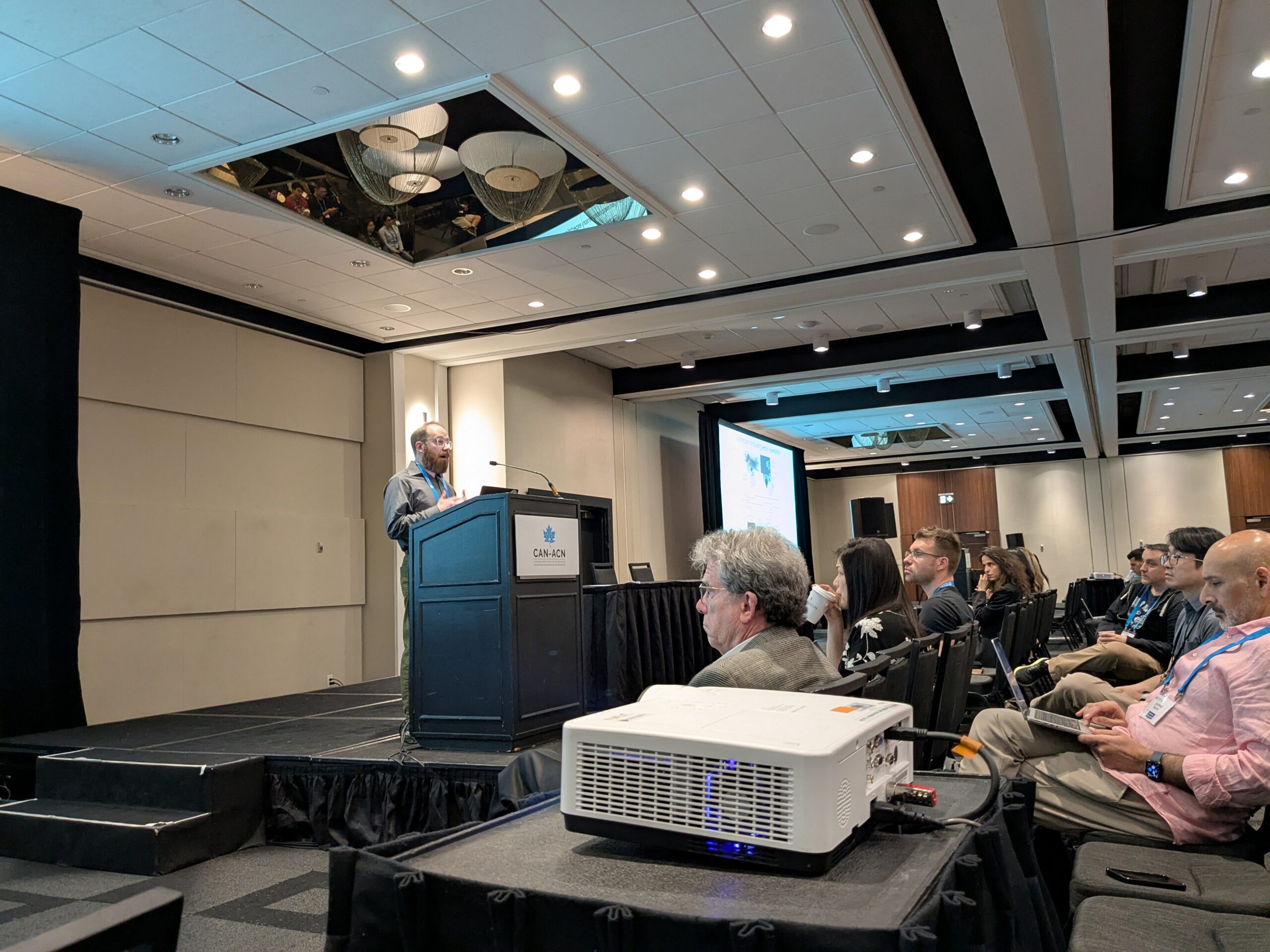
Congratulations to 2026 Canadian Neuroscience Meeting Chair Rose Bagot and Co-Chair Mark Cembrowski on the success of the 2026 meeting! We recorded the highest attendance for a CAN meeting yet, and we had a superb program. Here are a few pictures!
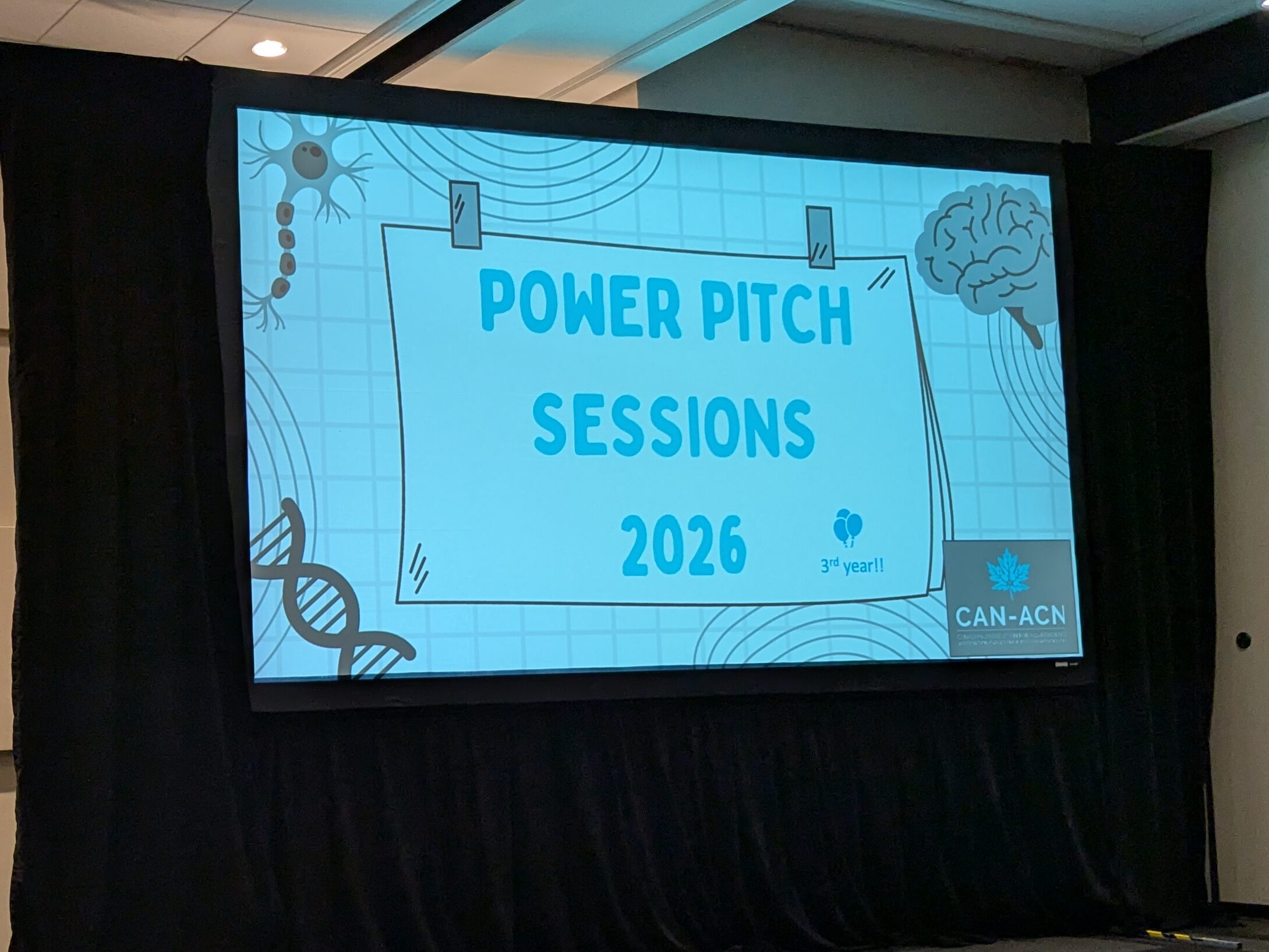
Trainee Power Pitch Sessions
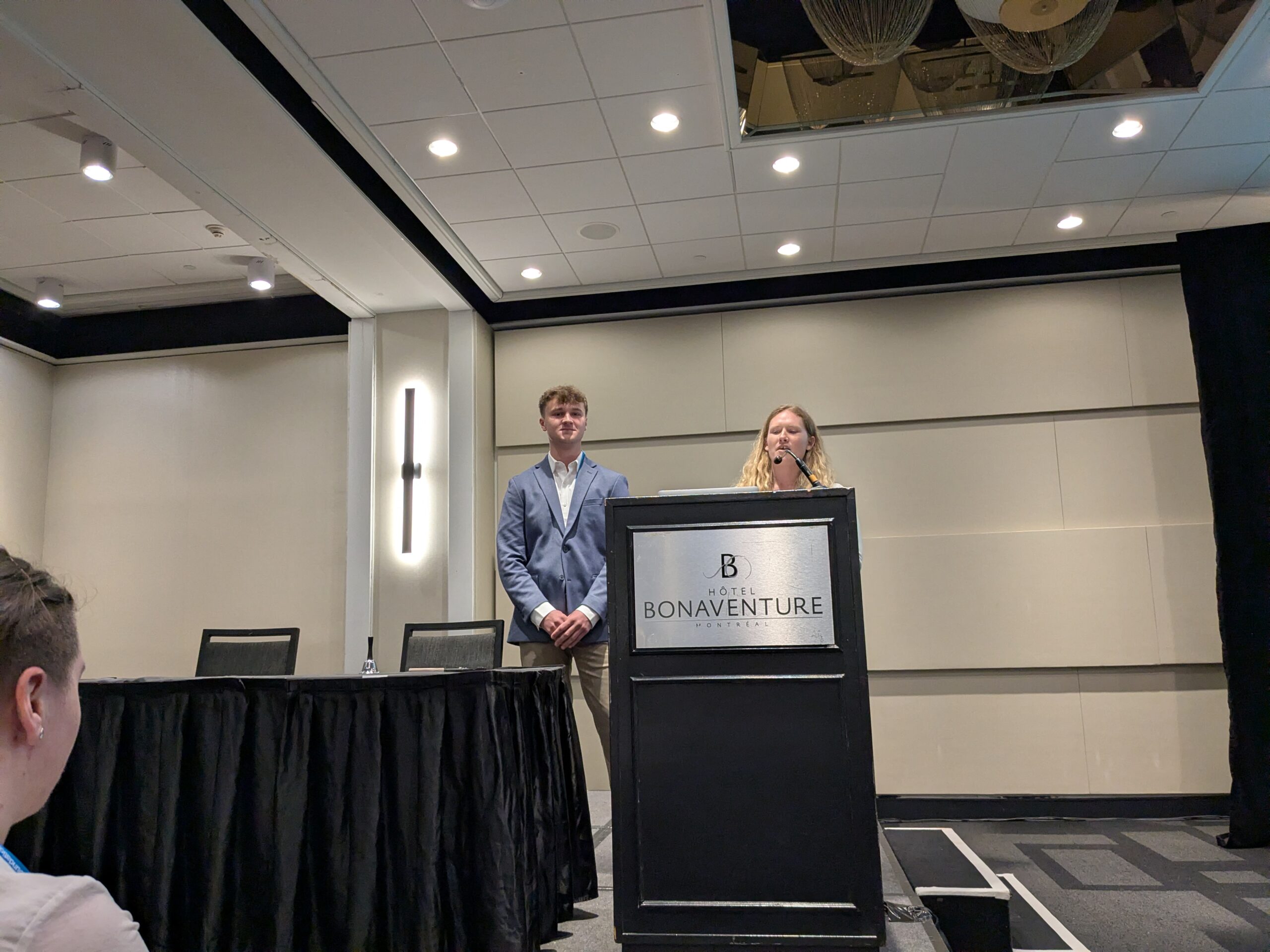
Some of the most well attended sessions at the CAN meeting certainly included the Trainee Power Pitch Sessions, organized this year by trainees Liv Ansley-Engel and Hunter Dyche. The event, organized by trainees and for trainees, seems to gain in popularity each year. Congratulations to the organizer, and to the speakers – presenting a research project in 3 minutes and 3 slides is quite the accomplishment.
Equity, Diversity and Inclusion
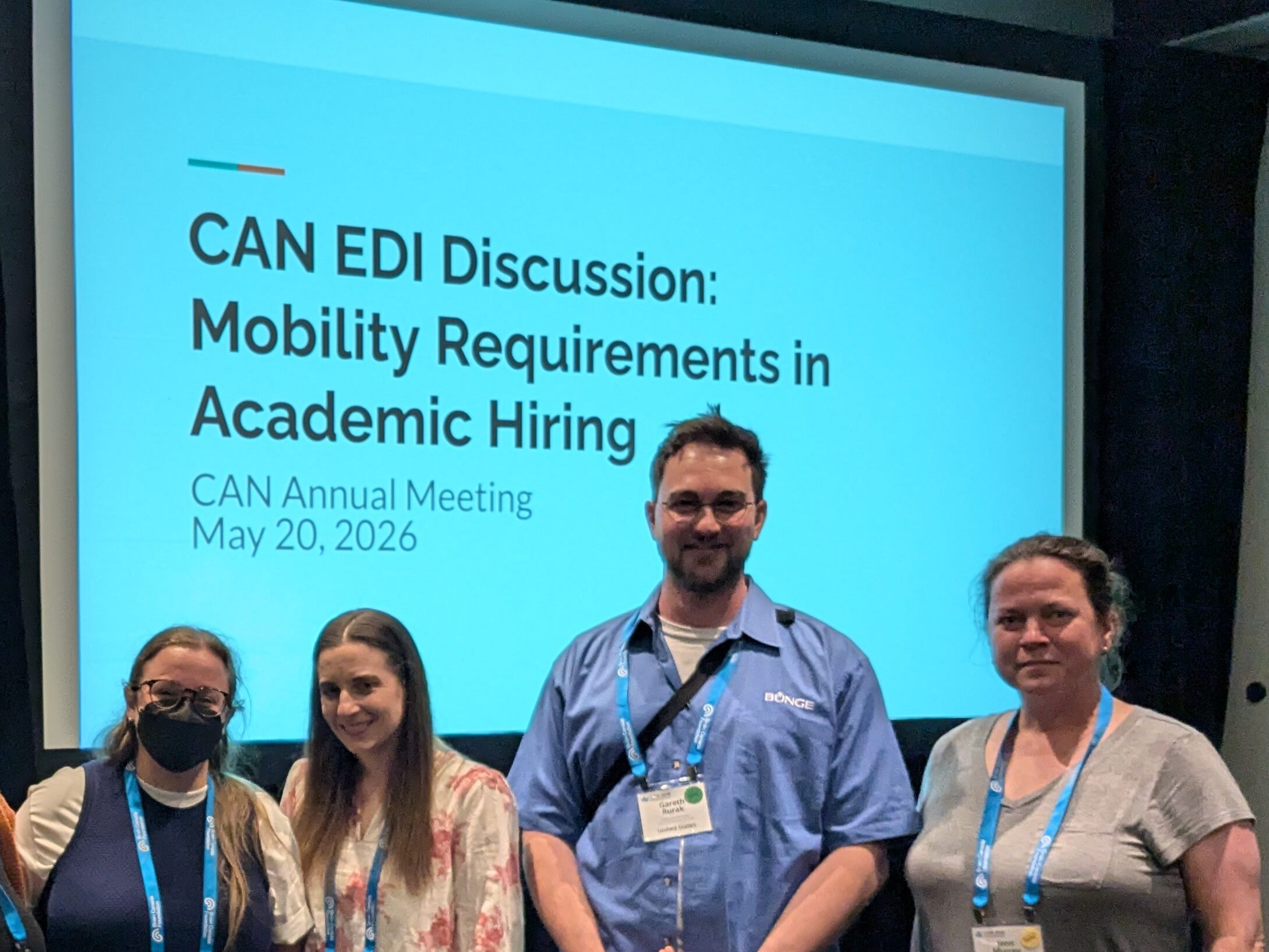
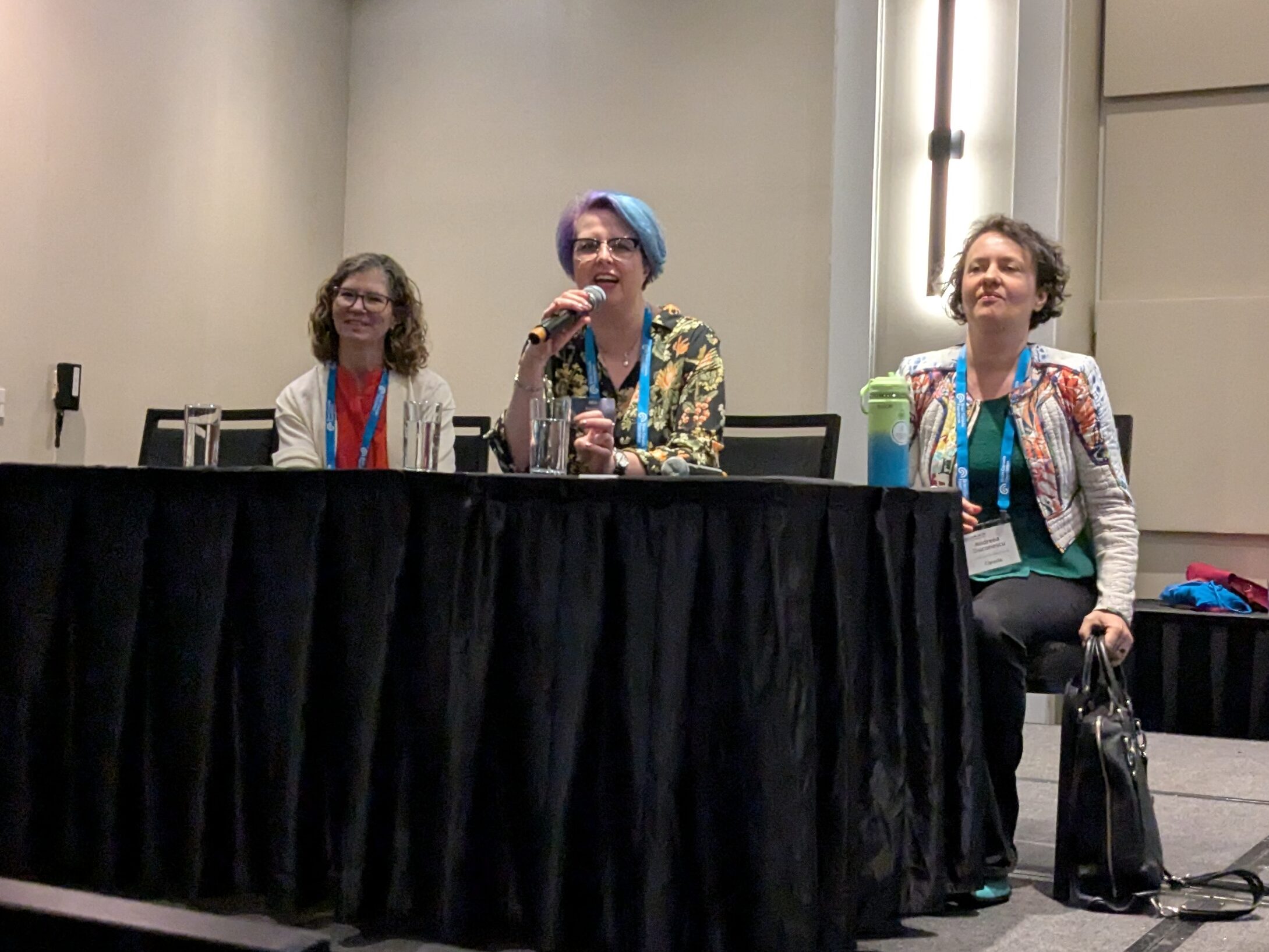
The CAN Equity, Diversity and Inclusion committee, chaired by Jenn Murray and Derya Sargin, organized an important discussion on the topic of mobility requirements in academic hiring. Panelists Dr. Tamara Bodnar (Assistant Professor, University of Calgary), Dr. Ibukun Akinrinade (Postdoctoral researcher, University of Calgary), Dr. Catharine Winstanley (Professor, UBC) and Dr. Gareth Rurak (Postdoctoral researcher, Washington University St. Louis) shared their perspectives and experiences on how travel, or the expectation of travel, has affected their careers and family life in a positive or negative way.
We thank all participants for sharing their personal and professional story and helping us envision different ways of considering mobility.
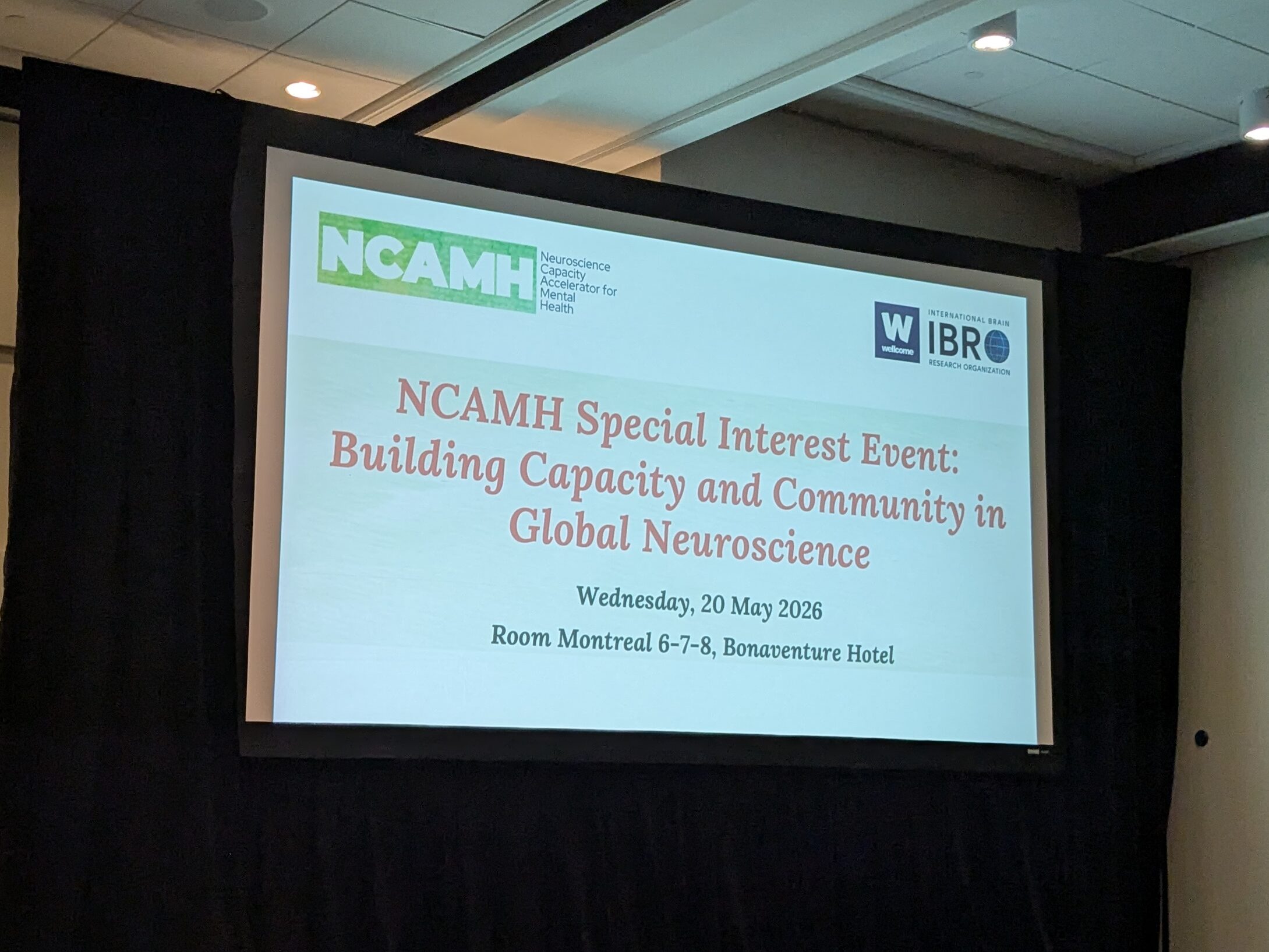
This event was followed by an IBRO organized event on Building Capacity and Community in Global Neuroscience. This event, supported by the Wellcome foundation, featured a short discussion on translation of EDI principles into capacity building, and what meaningful inclusion looks like in practice, followed by a reception.
Partner updates
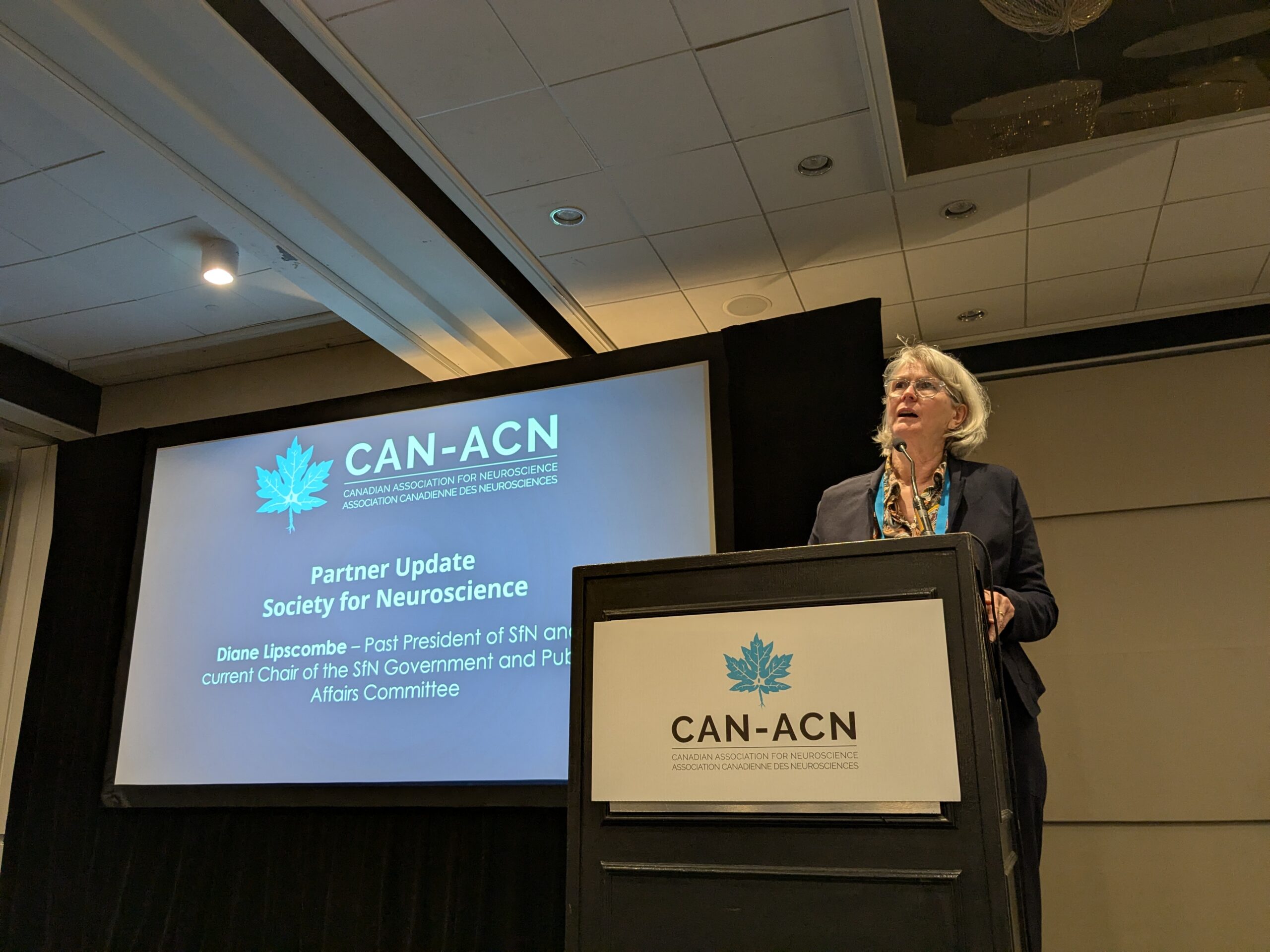
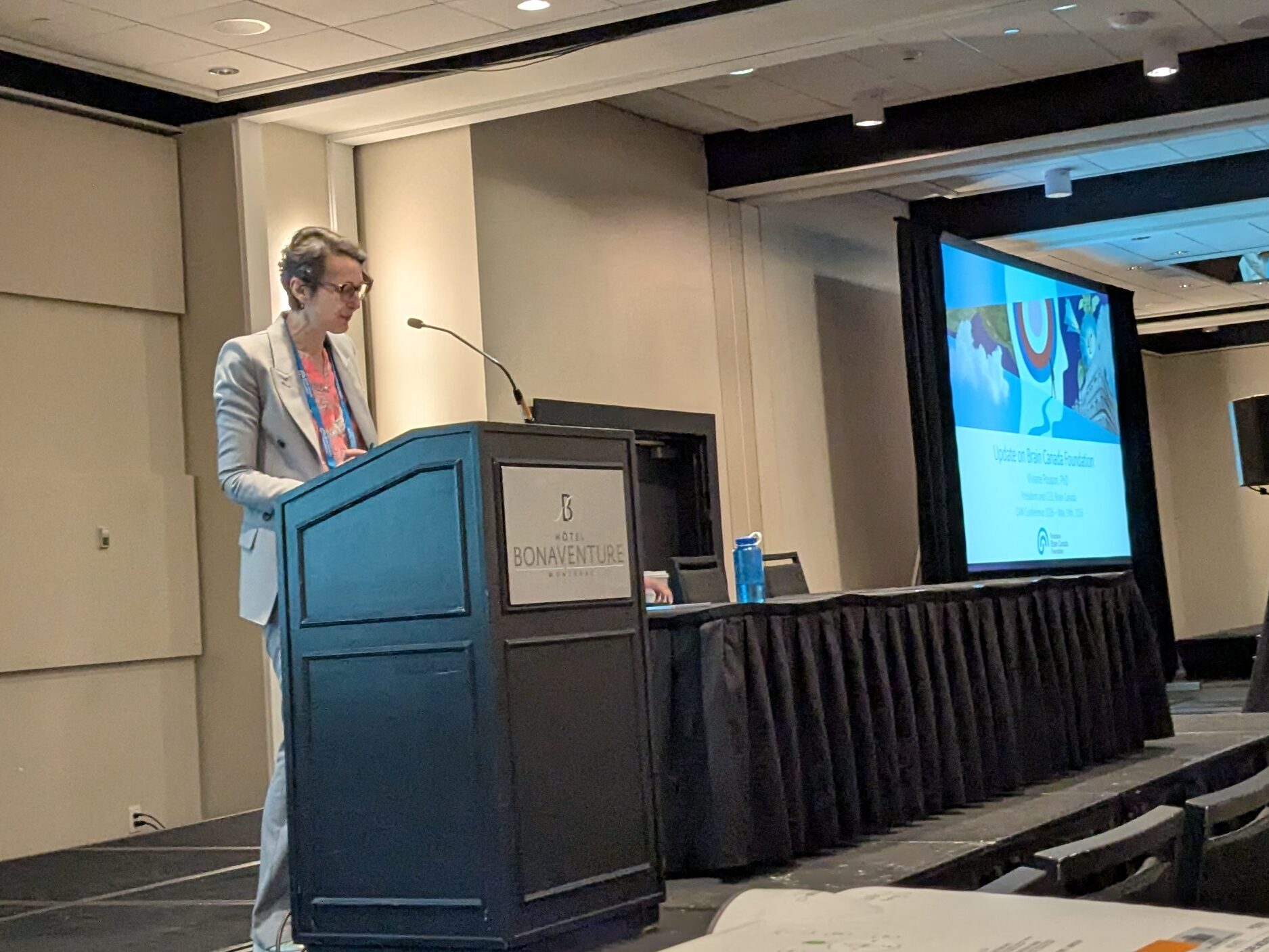
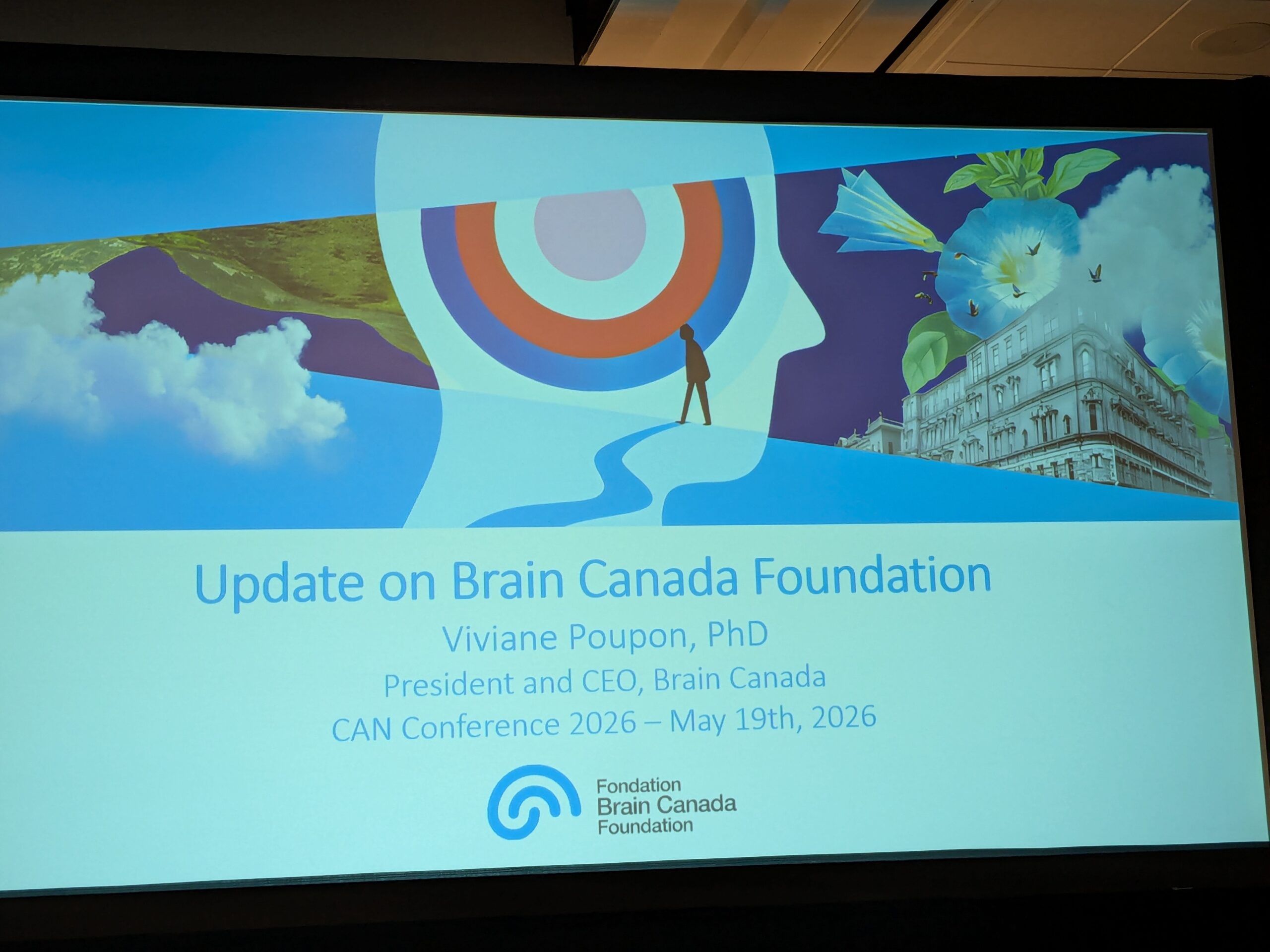
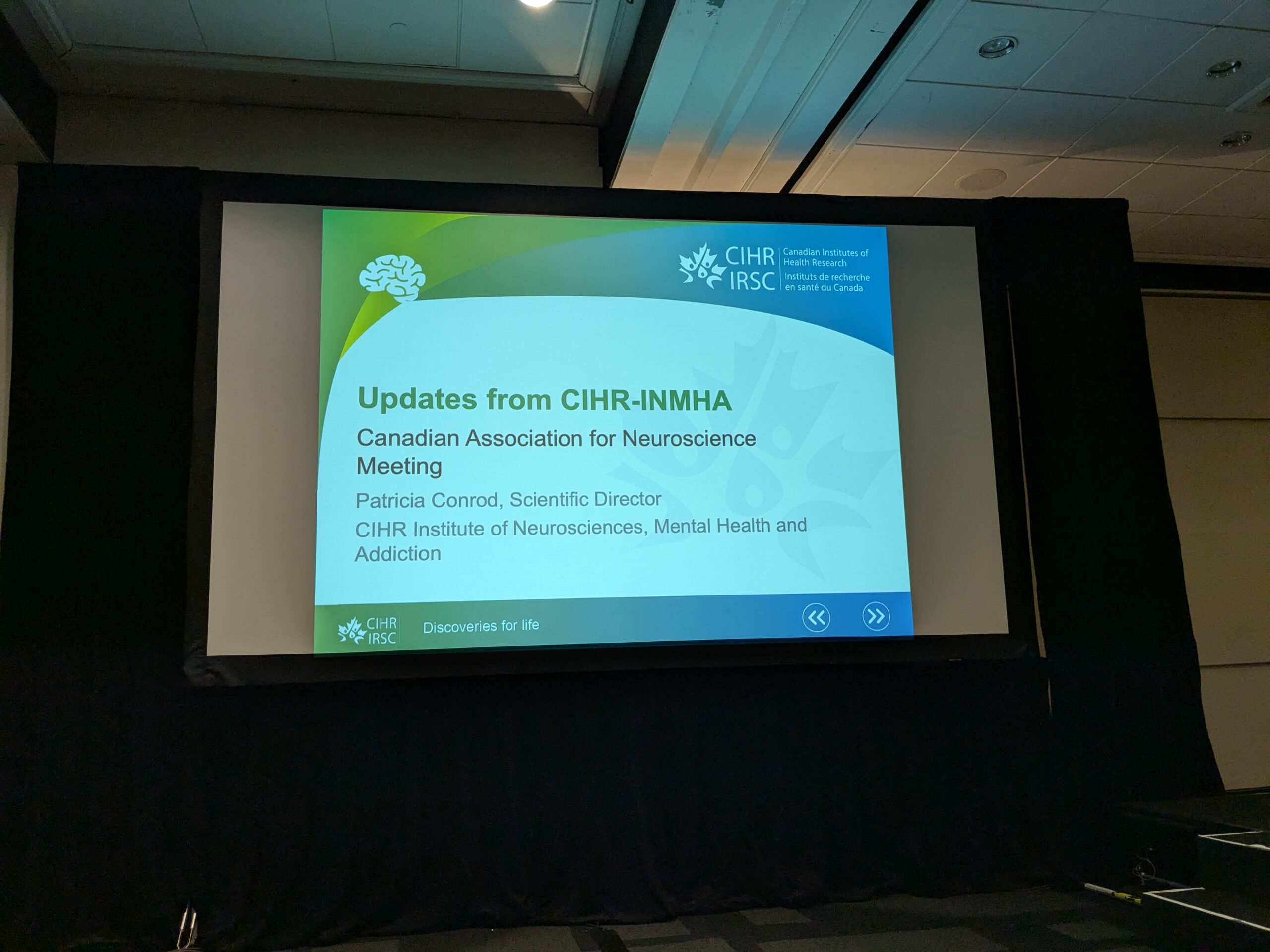
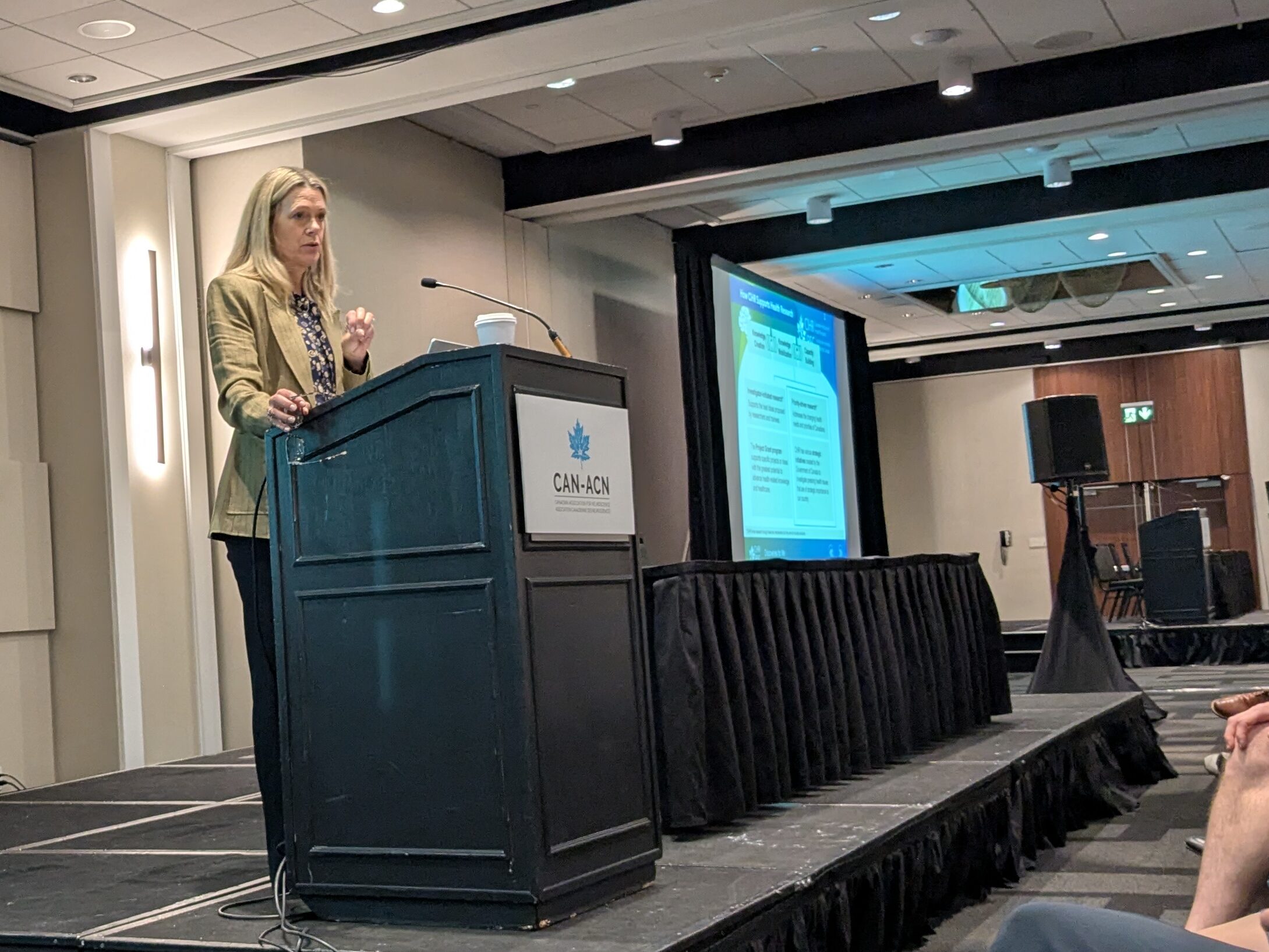
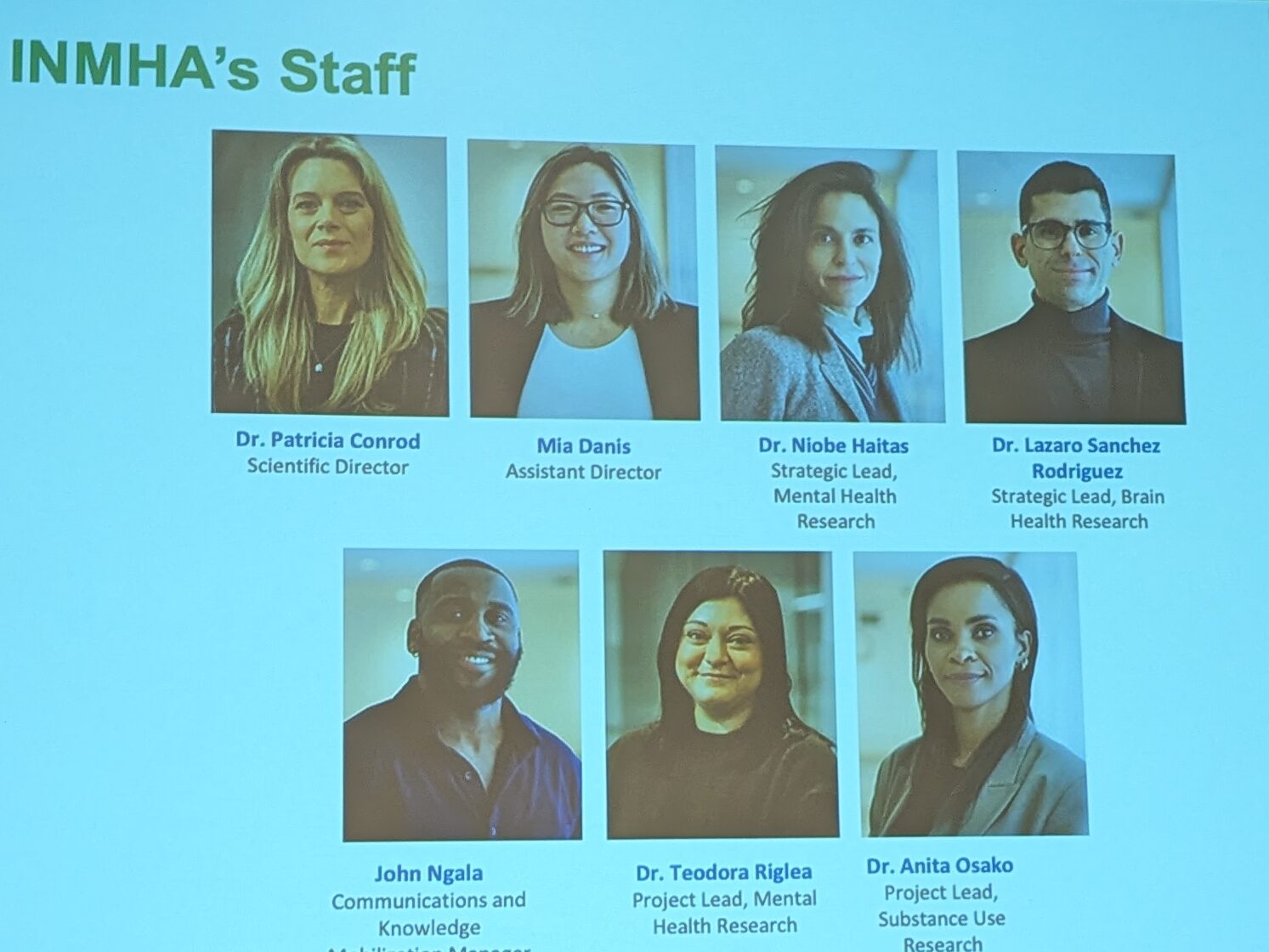
We are grateful to our partners who provided updates to the CAN membership. Dr. Diane Lipscombe, Chair of the SfN Governement and Public Affairs committee reminded all our members of the links that tie the North American Neuroscience community together. Dr. Viviane Poupon from the Brain Canada Foundation provided an overview of opportunities provided by this foundation. We were also please to welcome the new chair of CIHR-INMHA, Patricia Conrod, and many members of the INMHA staff. It was a pleasure to welcome these partners and many others, including the Azrieli Foundation, IBRO, NHCC (Neurological Health Charities of Canada) and representatives of many research institutes in Canada.
Award winners
We were very proud to welcome the top 3 winners of the 2025 Brain Star Awards to the CAN meeting in Montreal. Learn more about the CIHR-INMHA supported Brain Star Awards, and about all the other winners below.
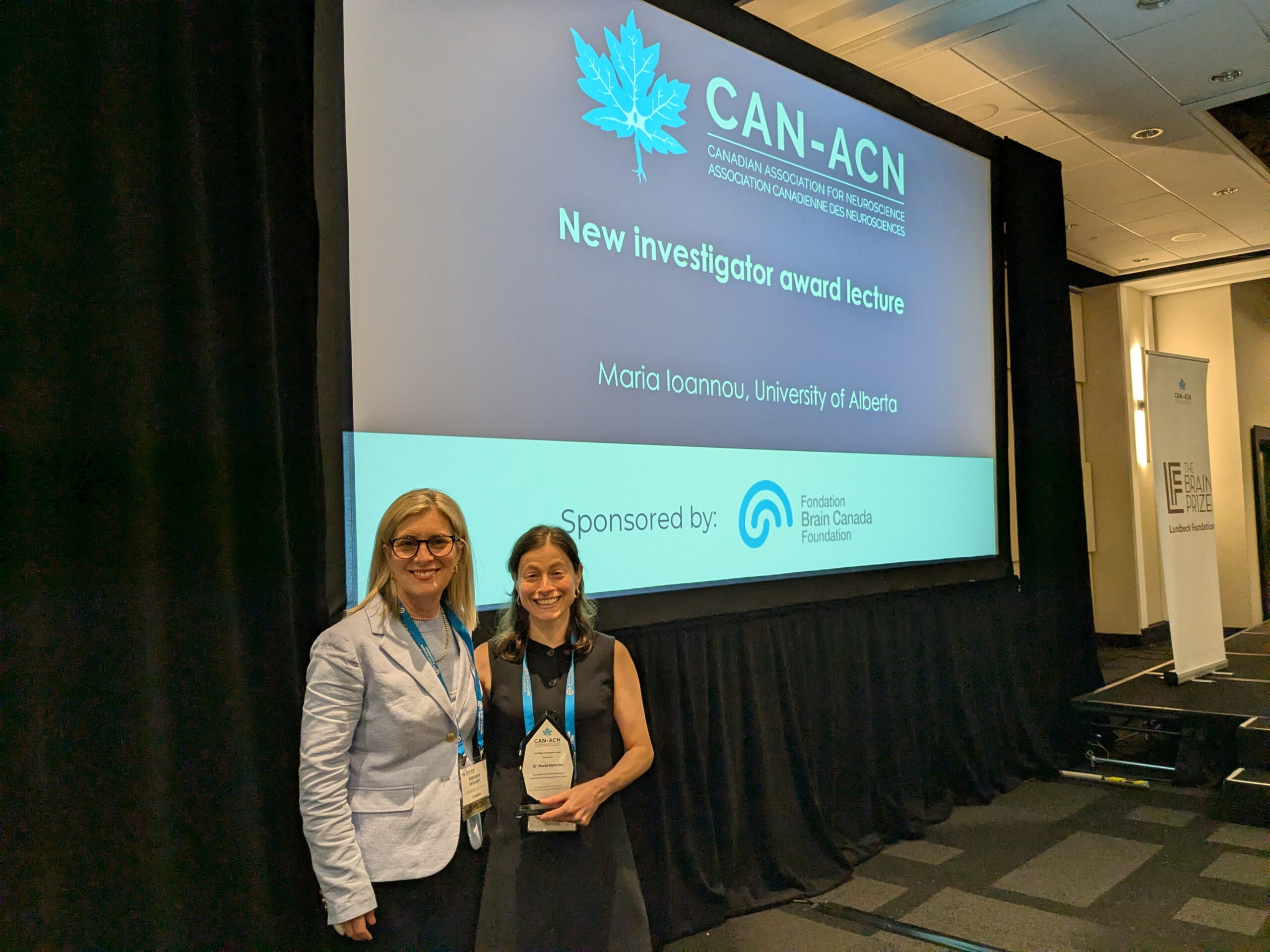
The 2026 CAN New Investigator Award winner Maria Ioannou, from University of Alberta received her prize from Melanie Woodin, chair of the CAN Awards and Nominations Committee. We were also please to welcome Michelle Monje for the Brain Prize lecture. Dr. Monje was awarded the 2025 Brain Prize from the Lundbeck Foundation.
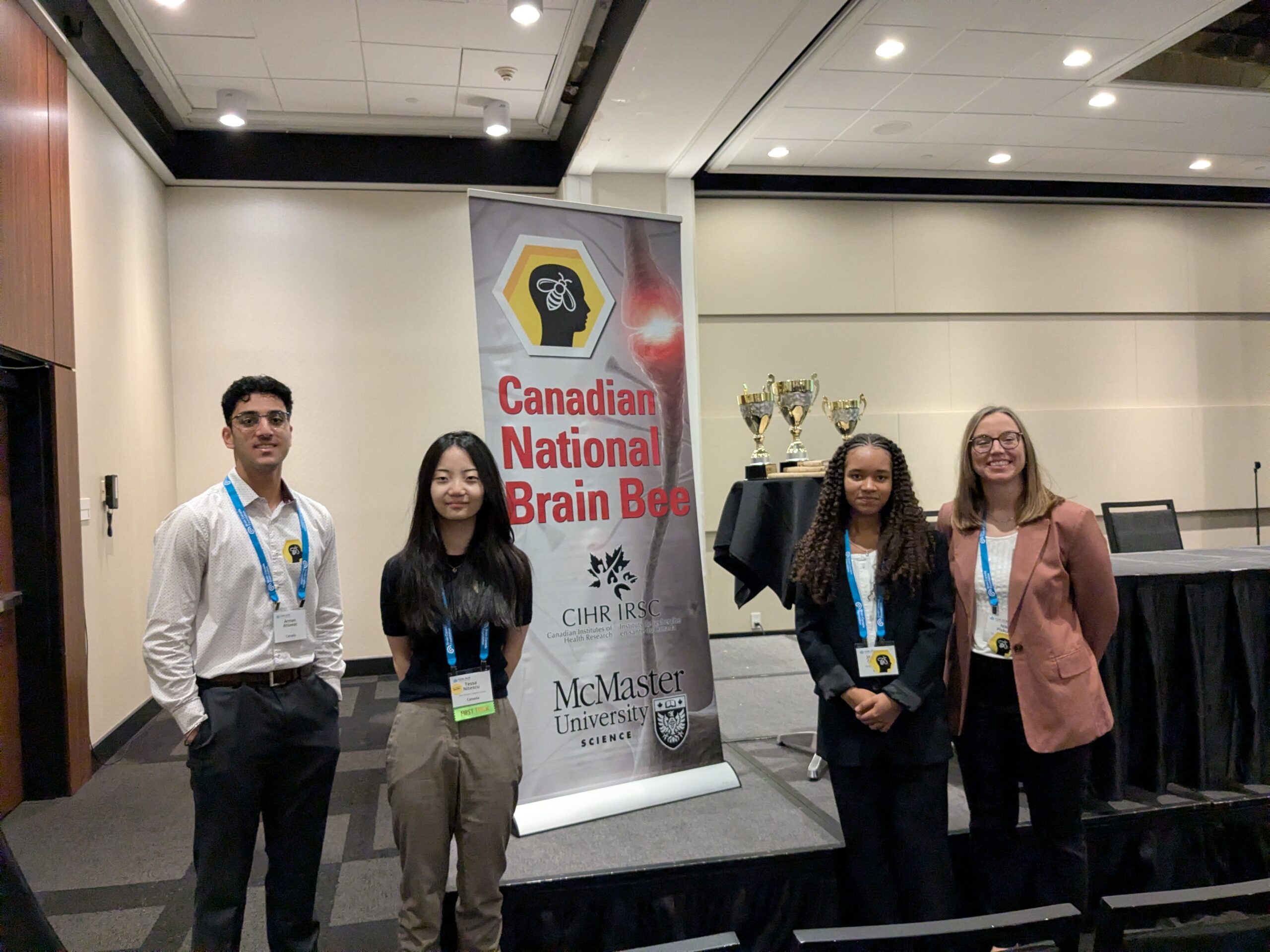
CAN hosted the very exciting Canadian National Brain Bee again this year. The competition seems to get harder every year! Congratulations to the 2026 CIHR Canadian National Brain Bee Finalists! In FIRST PLACE, Josephine Ankomah (Hamilton), in SECOND PLACE, Arman Ahlawat (Edmonton), and in THIRD PLACE, Tessa Nitescu (Toronto). Josephine will represent Canada at the 2026 International Brain Bee competition. The 2026 IBB will be held virtually in conjunction with the annual meeting of the Society of Neuroscience in Washington, D.C., November 6-11.
Travel and Professional Development Award winners
Congratulations to the winner of the 2026 Travel and Professional Development Awards!
CAN Professional Development Awards
The Canadian Association for Neuroscience (CAN) provides Professional development awards for students and post-doctoral fellows to cover part of the costs associated with meeting attendance. All trainee meeting attendees working in a Canadian laboratory, or Canadians trainee members working abroad can apply for CAN professional development awards.
BrightFocus funds ground-breaking research in an urgent effort to discover cures for Alzheimer’s disease, macular degeneration and glaucoma, and provides expert information about these diseases. CAN is pleased to announce a partnership with BrightFocus to support travel of trainees from underrepresented groups to the CAN meeting.
The International Brain Research Organization (IBRO https://ibro.org/) is the global association of neuroscience societies established in 1961 that aims to promote and support neuroscience around the world through training, education, research, outreach and engagement activities, and the publication of two journals, Neuroscience and IBRO Neuroscience Reports. IBRO provides travel awards for members of underrepresented groups
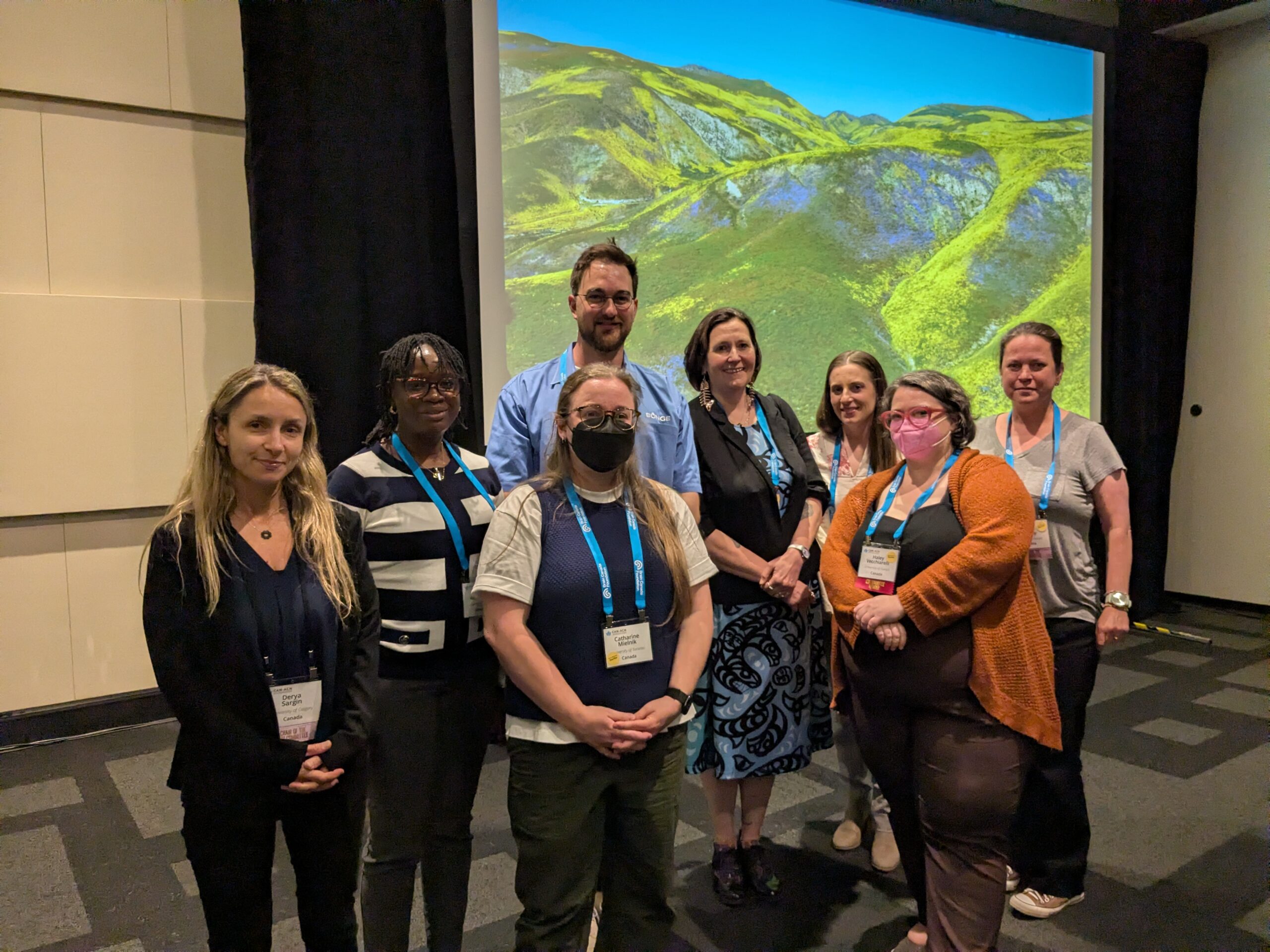
Here are some of the winners of the Travel and Professional development awards, who gracefully accepted to participate in a group picture.
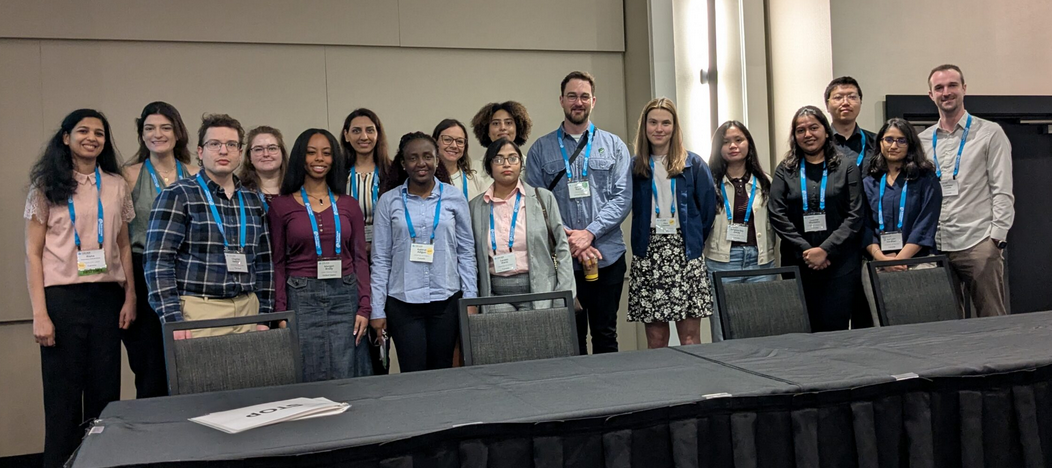
Bright Focus Diversity Travel Award Winners
- Adigun, Kabirat; Hotchkiss Brain Institute, University of Calgary
- Brody, Morgan; Loyola University Chicago
- Eckert, Fabiola; Federal University of Santa Catarina, Brazil
- Kanjirassery Radhakrishnan, Risna; Université Laval
- Mascarenhas, Fernanda; University of Saskatchewan
- Peart, Davin; University of Guelph
- Rurak, Gareth; Washington University in St. Louis
- Stein, Lexi; University of Alberta, Neuroscience and Mental Health Institute
- Vardhan, Aarushi; University of Toronto Scarborough
IBRO Travel Awards
- Abrar Basha, Mohammed; University of Manitoba
- Chary, Patrick; University of Ottawa
- Gagnon, Anthony; University of Sherbrooke
- Geahchan, Sarah; University of Toronto
- Gomes Welter, Priscilla; Federal University of Santa Catarina, Brazil
- Jones, Nathaniel; University of Ottawa
- Kecheliev, Vasil; University of Victoria
- Koziel Ly, Nikita; Carleton University
- Manzanet Freyre, Karla; University of Alberta
- Messmer, Miranda; University of Saskatchewan
- Peña Sánchez, Marisol; Neurology and Neurosurgery Institute. Cuba
- Ramsaran, Adam; The Hospital for Sick Children
- Randell, Alison; Brock University
- Rosenbaum, Jack; McMaster University
- Salia, Stephanie; Memorial University of Newfoundland
- Sanson, Jamie; University of Calgary
- Scholey, Cara; University of Windsor
- Shanbhag, Riya; York University
- Verville, Laurie-Shan; Université Laval, CERVO Brain Research Centre
- Yang, Hyeyun; University of Guelph
CAN Professional Development Award Winners
- Asemi Rad, Azam; University of Manitoba
- Babcock, Megan; Dalhousie University
- Breault, Émile; Université de Sherbrooke
- Cadoret, Alice; Université Laval, CERVO brain research center
- Canella, Anna Elisabete; University of Toronto
- Chik, Kennedi; University of Alberta
- Cline, Daemon; University of British Columbia
- Combadiere, Kayvan; Universite Laval, CHU de Québec
- Cooke, Matthew; University of British Columbia
- Fafouti, Maria Eleni; University of Toronto, CAMH – Krembil Centre for Neuroinformatics
- Garay, Pristine Rey; University of Toronto, Peter Gilgan Centre for Research and Learning
- Glasson, Bastien; Université Laval, Centre de recherche CERVO
- Heilman, Georgia; University of Saskatchewan
- Landwehr, Antonia; University of Victoria
- Lawson, Alexandra; University of British Columbia
- Leclerc, Sara-Maude; Laval University, CERVO Brain Research Center
- Marriott, Brian; University of Alberta
- Monteiro, Leanne; McMaster University
- Nathaniel, Ryley; York University
- Paton, Sam; University of Victoria
- Ramdeo, Karishma; McMaster University
- Ramezani, Sina; Centre de Recherche du CHU de Québec-Université Laval
- Ranjbar, Hoda; University of Calgary
- Rezaei, Ali; Centre for Neuroscience Studies, Queen’s University
- Rojas-Carvajal, Mijail; University of Calgary, Hotchkiss Brain Institute
- Salo, Stefan; University of Guelph
- Suarez-Uribe, Isaura; Université de Sherbrooke
- Veilleux, Charles; University of Ottawa
- Wang, Ting Ting; Carleton University
- Warsi, Sareen; University of Ottawa
- Zheng, Zhihao; Universite Laval, CERVO brain research centre
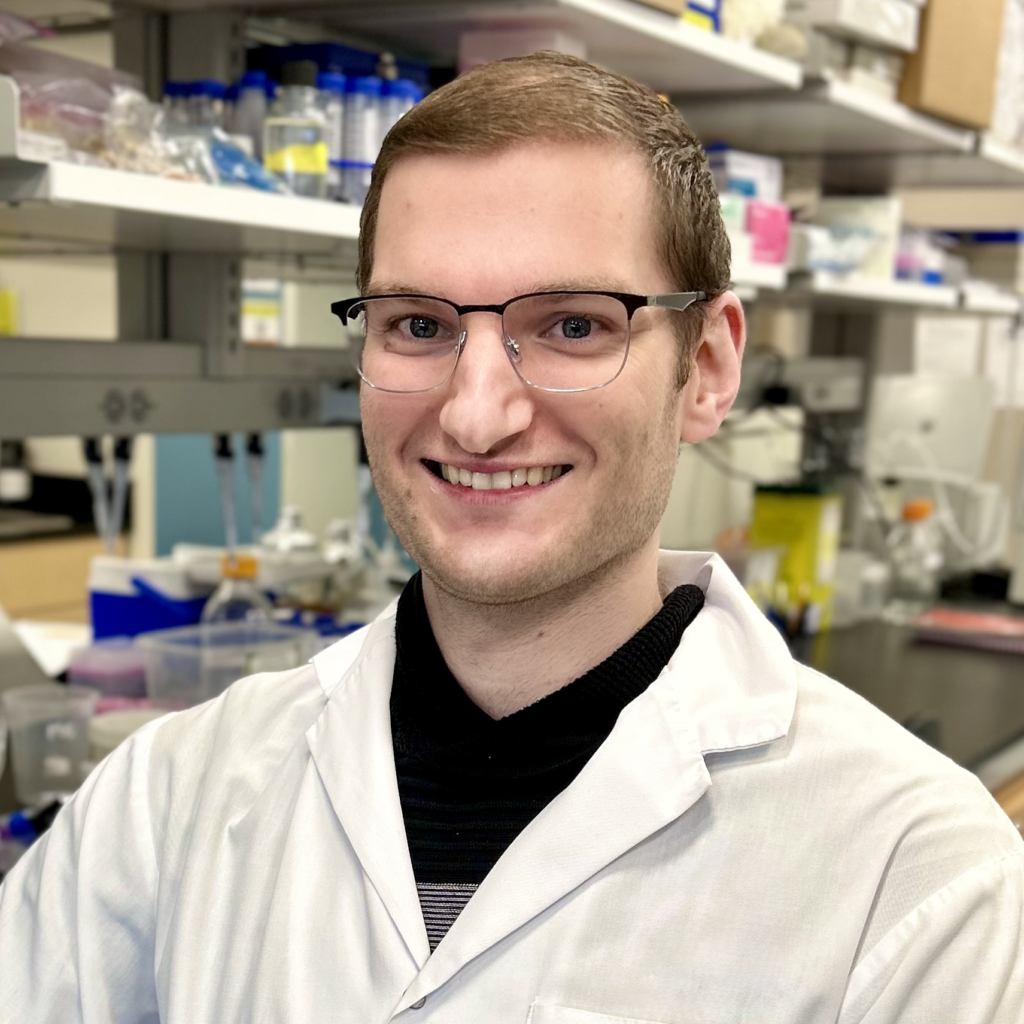
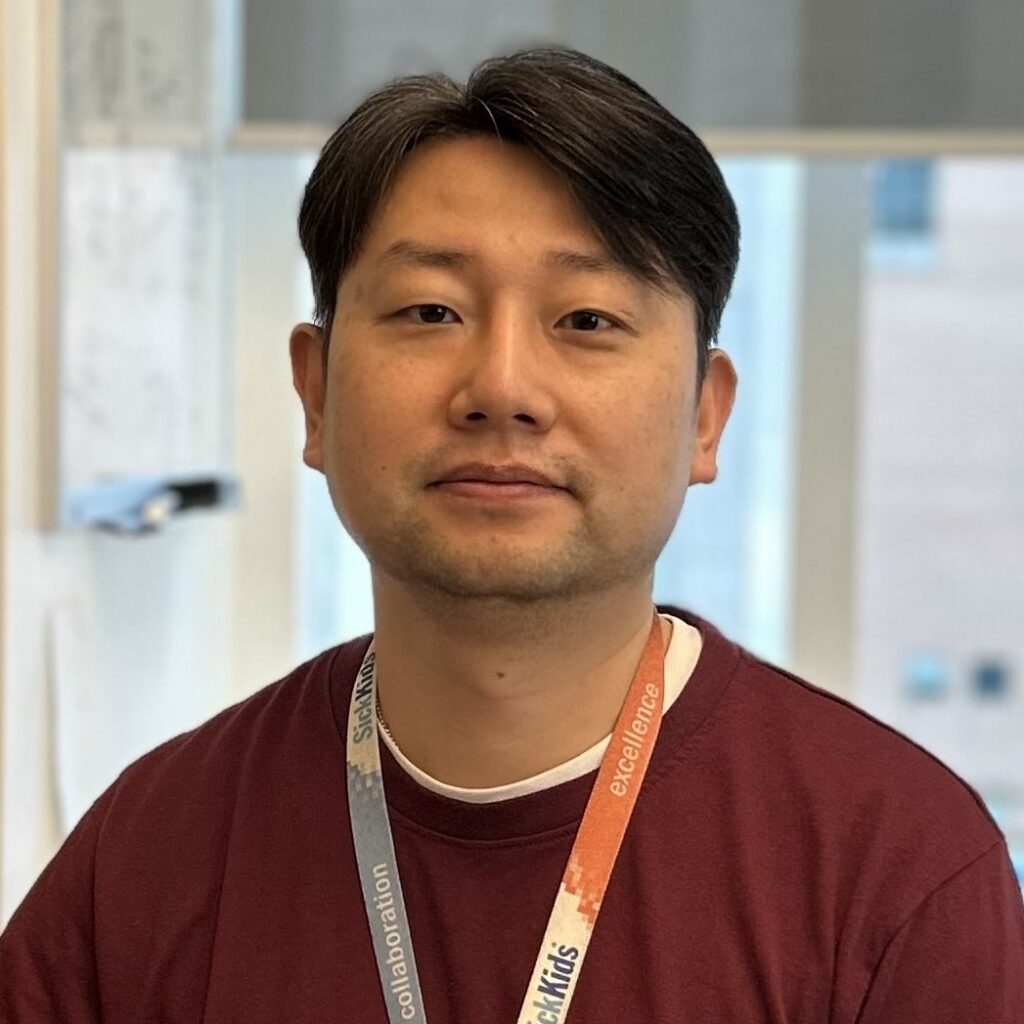
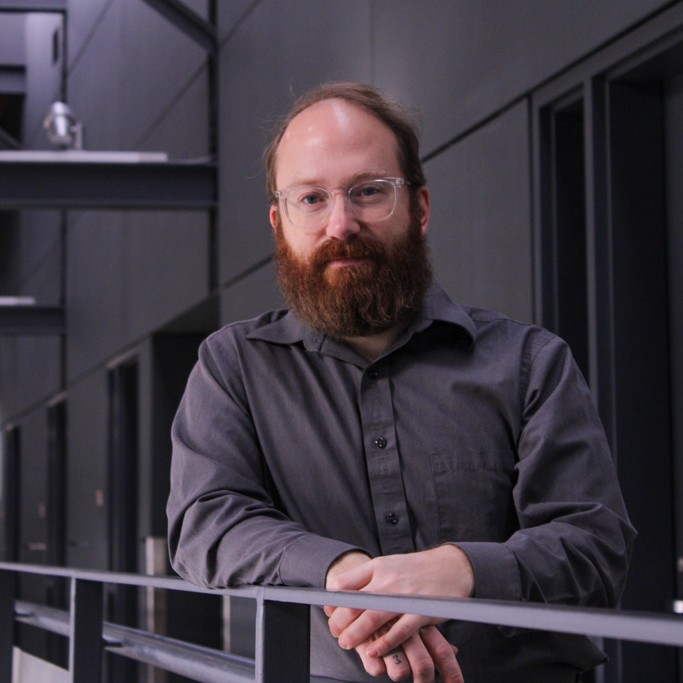
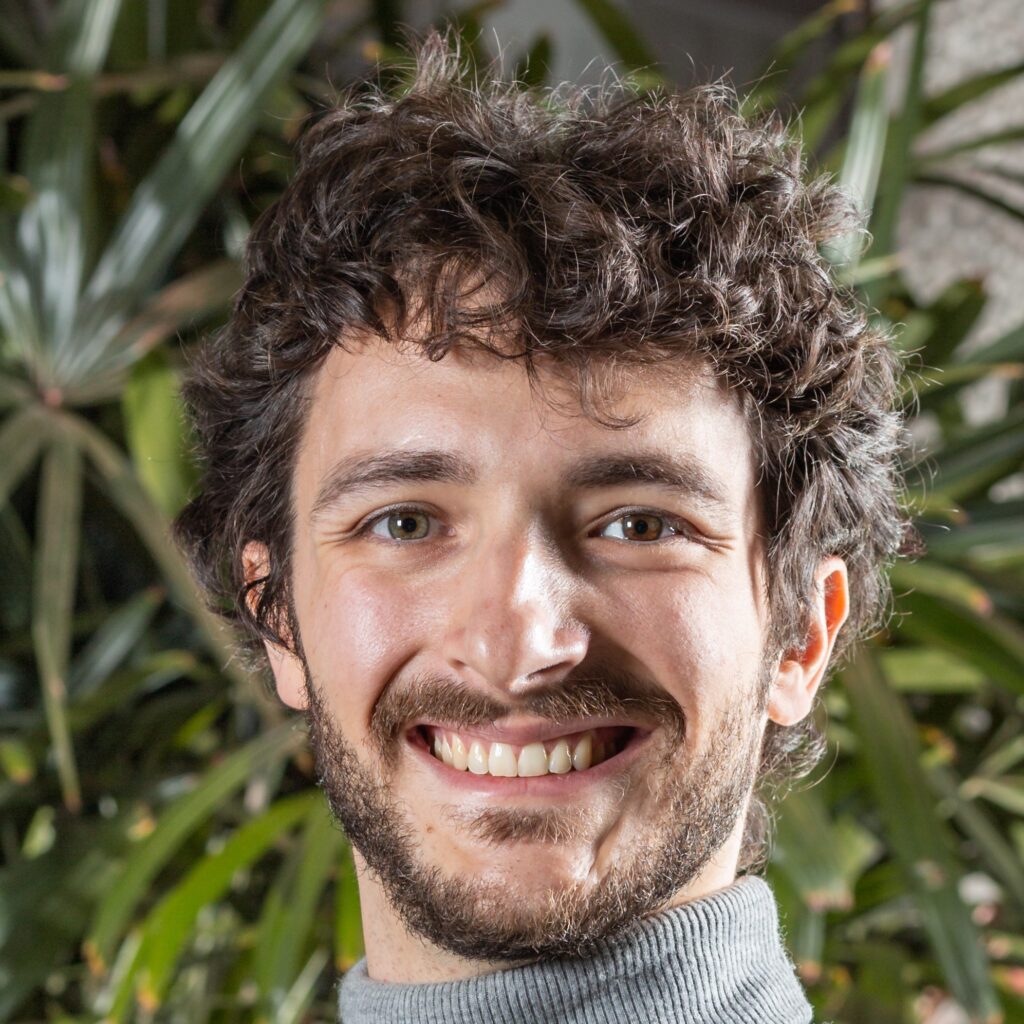
Congratulations to the winners of the 2025 CAN- CIHR-INMHA Brain Star Awards!
The Canadian Association for Neuroscience (CAN) and the Canadian Institutes of Health’s Institute of Neurosciences, Mental Health and Addiction (CIHR-INMHA) are proud to announce the winners of the 2025 Brain Star Awards.
The CIHR-INMHA Brain Star awards, administered by the Canadian Association for Neuroscience, are awarded to students and trainees who have published high impact discoveries in all fields and disciplines covered by CIHR’s Institute of Neurosciences, Mental Health and Addiction in the 2025 calendar year.
We were very proud to welcome the top 3 winners of the 2025 Brain Star Awards to the CAN meeting in Montreal.
Read about the discoveries of all 15 winners here: https://can-acn.org/congratulations-to-the-winners-of-the-2025-can-cihr-inmha-brain-star-awards/








Election results
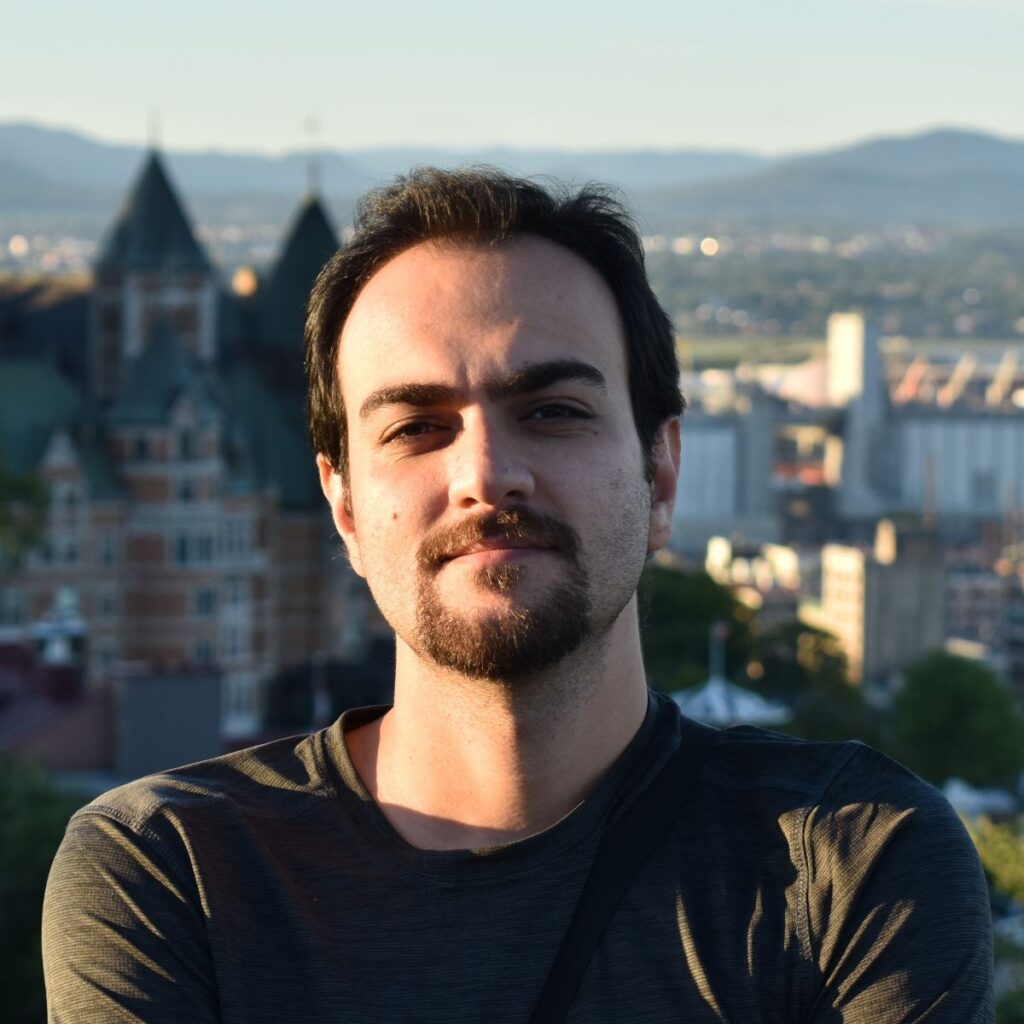
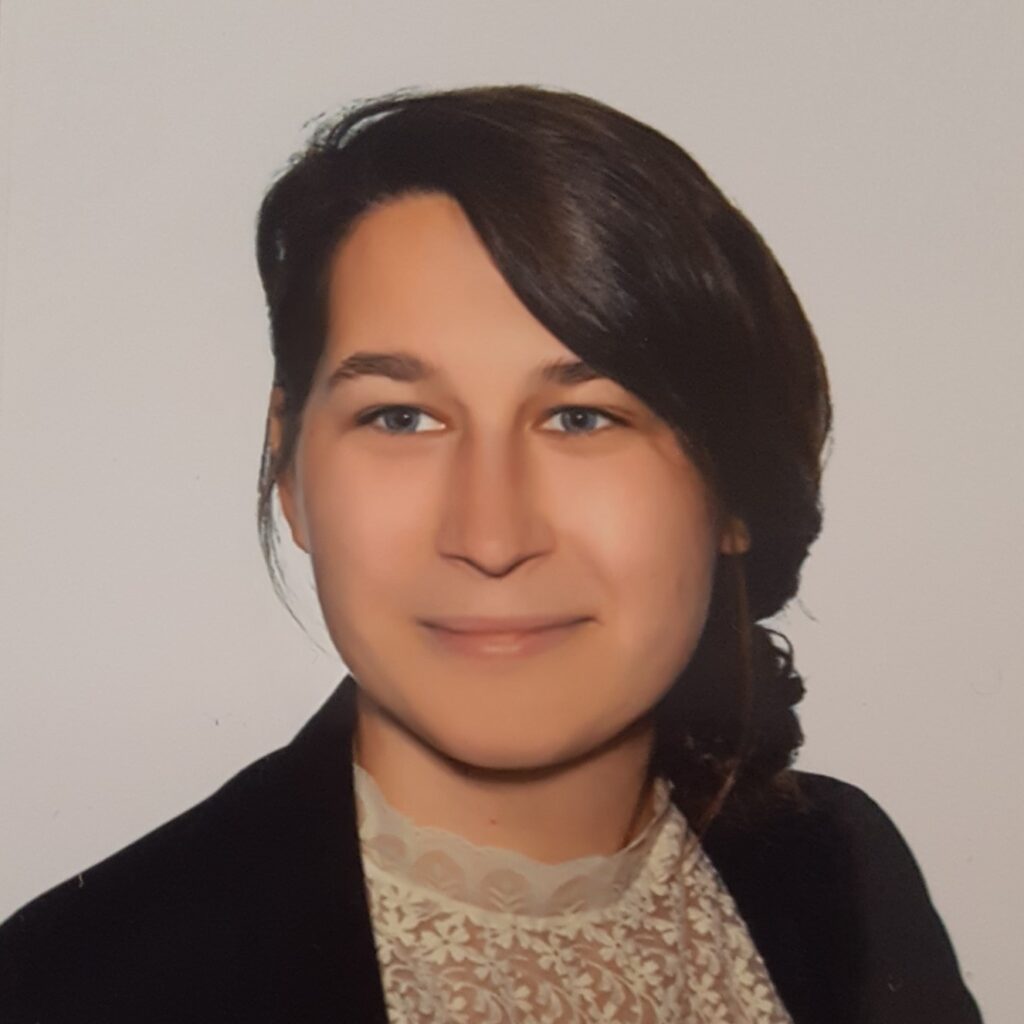
Congratulations to the winners of the Spring 2026 elections. We are very happy to welcome new board members Aurélie de Rus Jacquet and Jo Anne Stratton, Secretary-Elect Simon Chen and Vice-President-Elect Mark Cembrowski.
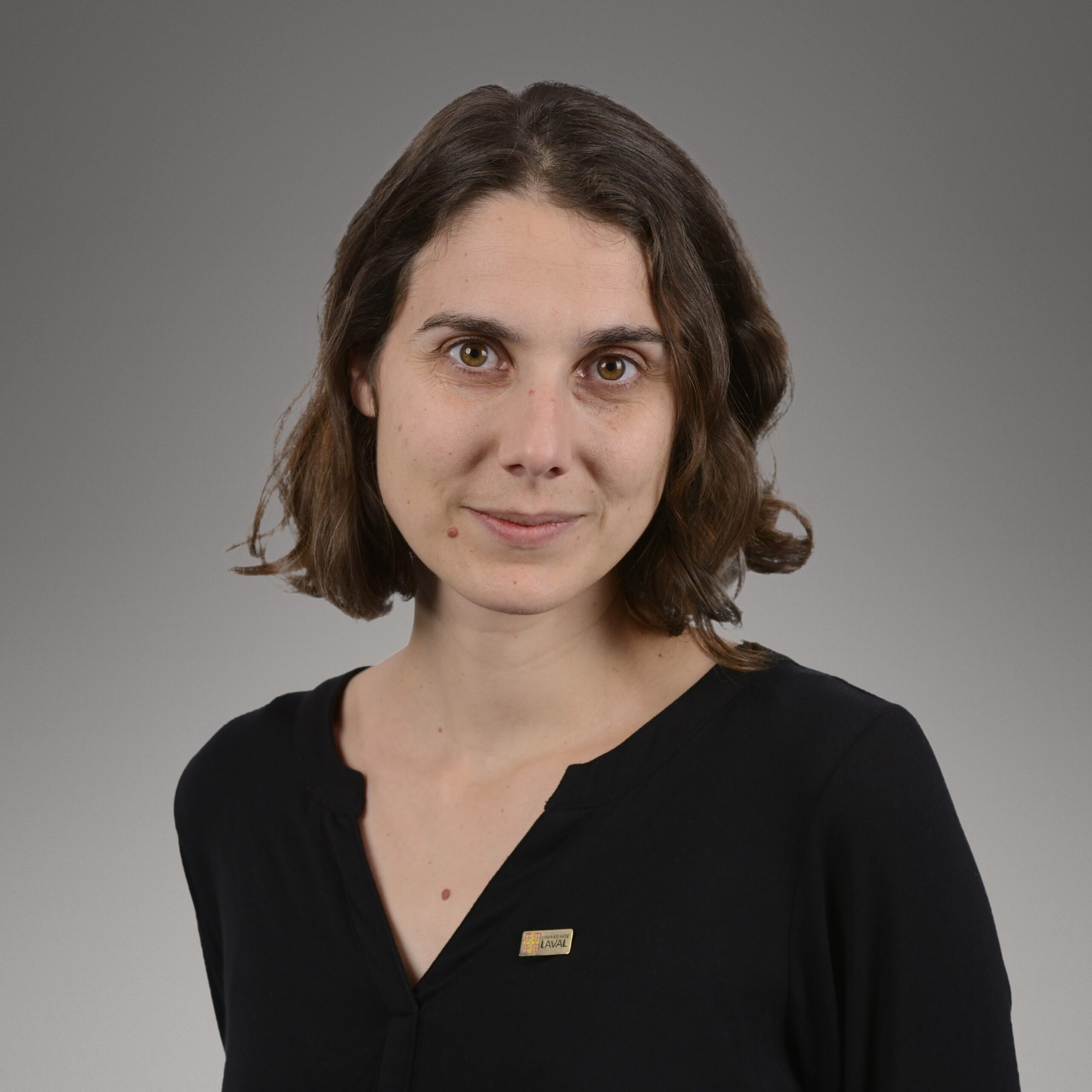

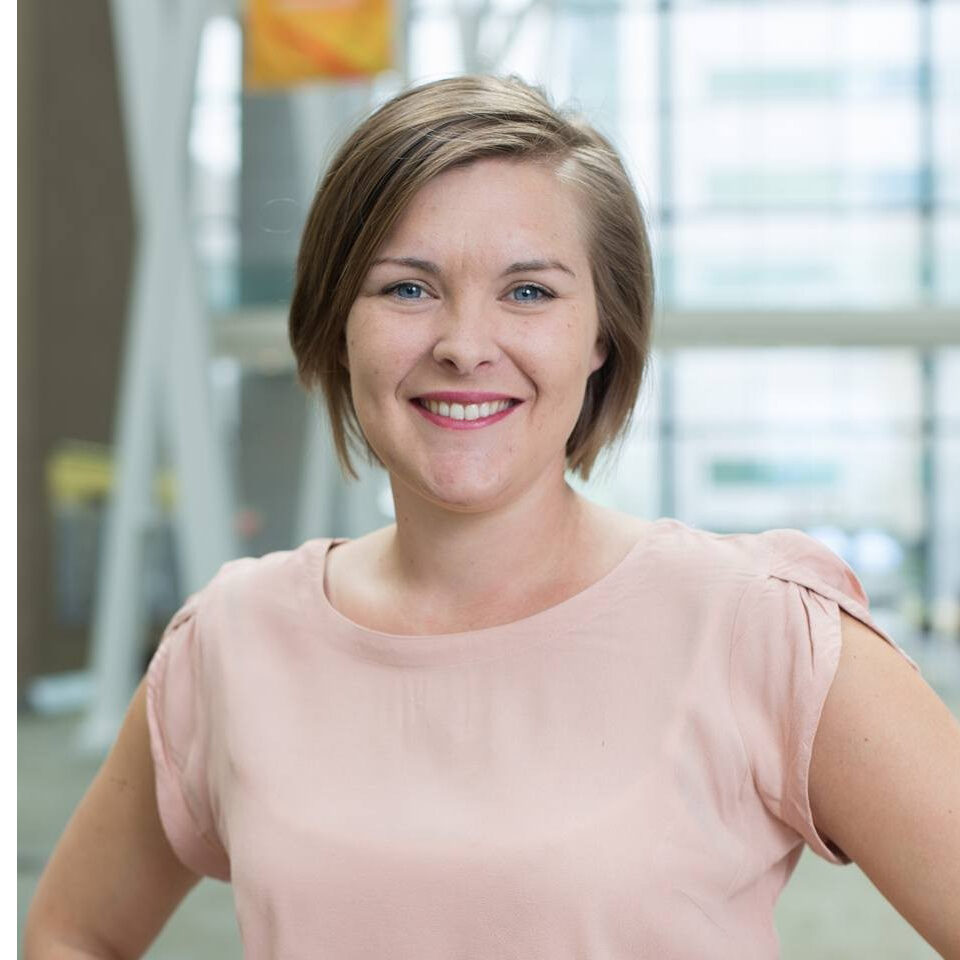

Read their profiles here: https://can-acn.org/can-2026-election-results/
Opportunities
Neurojobs
Recent advertisements posted on our website. See https://can-acn.org/neurojobs/ for more
- 2026-06-12 Associate Professor / Professor – Krembil Chair in Neuroscience and Mental Health
- 2026-06-10 Tenure-Track Assistant Professor in Neuroethology – McMaster University
- 2026-06-01 Waverley House Accelerator for Mental Illness and Addiction Research – Now Recruiting Five Early-Career Mental Health Research Leaders
- 2026-05-14 Postdoctoral Position – Neuroscience/Neuropharmacology – 2 years – Manitoba
- 2026-05-14 PhD student position in neuroscience of chronic pain – University of Guelph
- 2026-05-14 Postdoc position in neuroscience of chronic pain – Guelph University
- 2026-05-12 Postdoctoral Fellow / Senior Data Scientist / Biostatistician – Memorial University of Newfoundland
- 2026-04-30 Assistant or Associate Professor, Department of Human Anatomy & Cell Science
- 2026-03-31 University of Windsor Permanence-Track Learning Specialist, Ancillary Academic Staff II – Biomedical Sciences
Thanks for reading our newsletter – Have a great Summer!