
We are happy to announce the results of the 2026 elections – thanks to all the members who participated!
Elected member begin their mandate on June 1, 2026
Elected Board members
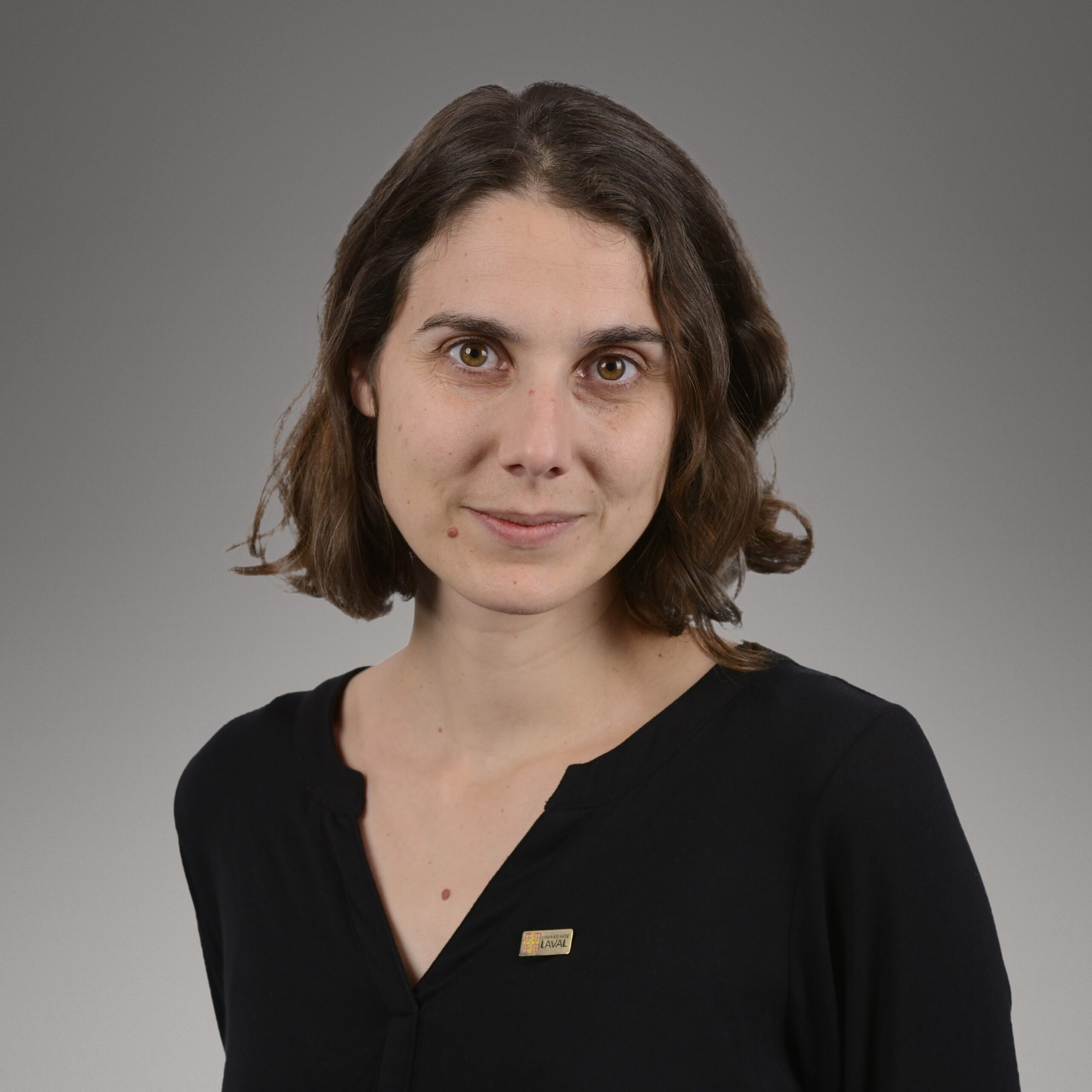
Aurélie de Rus Jacquet
I am an Assistant Professor specializing in brain barriers and glial-neuronal interactions in neurodegenerative diseases. My research combines human induced pluripotent stem cells and advanced microfluidic brain-chips to investigate disease mechanisms, contributing to emerging areas in neurosciences.
I am motivated to serve on the Board of Directors of CAN to support a dynamic, inclusive, and collaborative research community across Canada. I have experience promoting science through my involvement as an advisory member in nonprofit organizations in the USA, where I contributed to outreach initiatives aimed at engaging students and the general public. I also have experience working within pan-Canadian organizations as a member of the executive committee of the Canadian Open Parkinson Network.
Having conducted research in diverse international settings, including the USA, France, and Nepal, I am well positioned to represent Canadian neuroscientists at both national and international levels and to foster global collaborations. My research program also supports CAN’s mission to promote all disciplines contributing to understanding the nervous system, particularly through my work on the blood-brain barrier and glial biology.
I am strongly committed to education and knowledge dissemination. I regularly give public talks at local and international events, including for community organizations and disease foundations such as Parkinson’s Foundation and Parkinson Canada. I am actively engaged in outreach with First Nations communities, both urban and remote, including organizing workshops to co-create educational resources.
Through these experiences, I aim to contribute to CAN by supporting trainees, promoting equity, and enhancing the visibility and impact of Canadian neurosciences.
Jo Anne Stratton
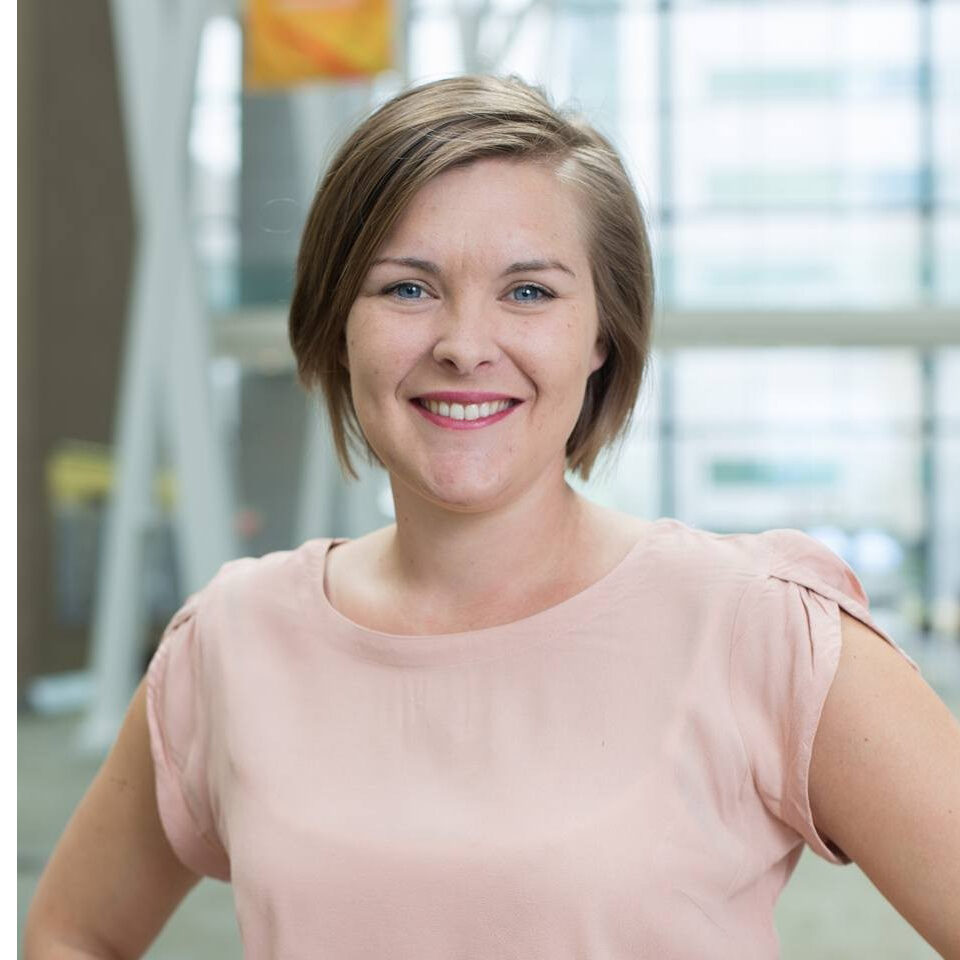
Jo Anne Stratton
Serving on the Board of Directors of the Canadian Association for Neuroscience is an important opportunity to contribute to a national organization that advances brain research, strengthens the neuroscience community, and advocates for science in Canada. As an Assistant Professor of Neuroimmunology at McGill University and co-lead of The Neuro’s Neuroimmunology & Glia Biology Group, I would bring a research and leadership perspective grounded in both fundamental discovery and translational neuroscience. My program focuses on neuroimmunology, glial biology, and human disease, with particular emphasis on multiple sclerosis and Parkinson’s disease, and is supported by major peer-reviewed funding and international research leadership roles.
I would also bring substantial experience in building research communities and supporting the next generation of neuroscientists. I currently serve as Chair of the Open Science Grassroots Committee at The Neuro, Director of McGill’s Single Cell Club, and Course Coordinator for NEUR 502, and I have supervised a large cohort of trainees across undergraduate, graduate, and postdoctoral levels. My work has also been recognized through distinctions including Future Leader in Canadian Brain Research, the Killam Scholar award, the Bougie Family Young Investigator Award, and the Jordi Folch-Pi Young Investigator Award.
As a board member, I would work to strengthen national connections across the neuroscience community, support trainees and early-career researchers, promote open, inclusive and high-impact scientific programming, and contribute meaningfully to advocacy for neuroscience in Canada. My experience organizing and chairing scientific events, including for the CAN, has prepared me well to contribute to these goals.
Vice-President-Elect

Mark Cembrowski
It is really a delight and honour to do neuroscience in Canada, and I am seeking to help contribute to our innovative and collaborative national community as Vice-President of CAN. I’m an Associate Professor at the University of British Columbia, with a research background that will help promote and advocate for many disciplines of Canadian neuroscience. My lab’s multidisciplinary work on cell-type-specific mechanisms of cognition and brain disorder spans the “bench to bedside” spectrum, ranging from basic computational and rodent studies to human brain research in close collaboration with the clinicians. With this background, I believe I can advocate across many disciplines of Canadian neuroscience, and am well-positioned to support CAN vision and initiatives.
I have been involved in numerous scientific leadership and advocacy positions in the past, from advocating for neuroscience trainees locally at UBC to serving as a scientific advisor for international neuroscience research institutes and biotechnology companies. Importantly, my experience at a national level has included many substantive positions within CAN itself: as a Board Member (2023-2026), as the annual meeting Chair of the Local Organizing Committee (2024), and as the current annual meeting Co-Chair and forthcoming Chair of the Scientific Program Committee (2026 and 2027, respectively). These positions have given me the opportunity to contribute to the vision and operation of CAN, and to experience the unique ability that CAN has in bringing together our community. It would be a privilege to continue to support CAN, Canadian neuroscience, and our neuroscientists as Vice-President of CAN.
Secretary-Elect

Simon Chen
I am an Associate Professor at the Brain and Mind Research Institute at the University of Ottawa. My research program uses chronic in vivo two-photon imaging to investigate how distinct cell types orchestrate plasticity in the motor cortex during motor skill learning.
Over the past three years, I have served on the CAN Board of Directors, where I have gained a clear understanding of the organization’s operations and its mission to actively listen to the needs of our members—including trainees, postdoctoral fellows, and equity-deserving groups—and to work collaboratively to make thoughtful, inclusive decisions that benefit the broader Canadian neuroscience community.
During this time, I have also served on the Society for Neuroscience Program Committee, where I gained valuable experience in organizing a large-scale scientific meeting with over 20,000 attendees. In addition, I currently serve on the CAN Awards and Nominations Committee.
As an early- to mid-career investigator, I have benefited greatly from the strong and supportive CAN community. I am therefore eager to run for the Secretary position and to contribute my experience in service of the community, while continuing to advocate for Canadian neuroscience