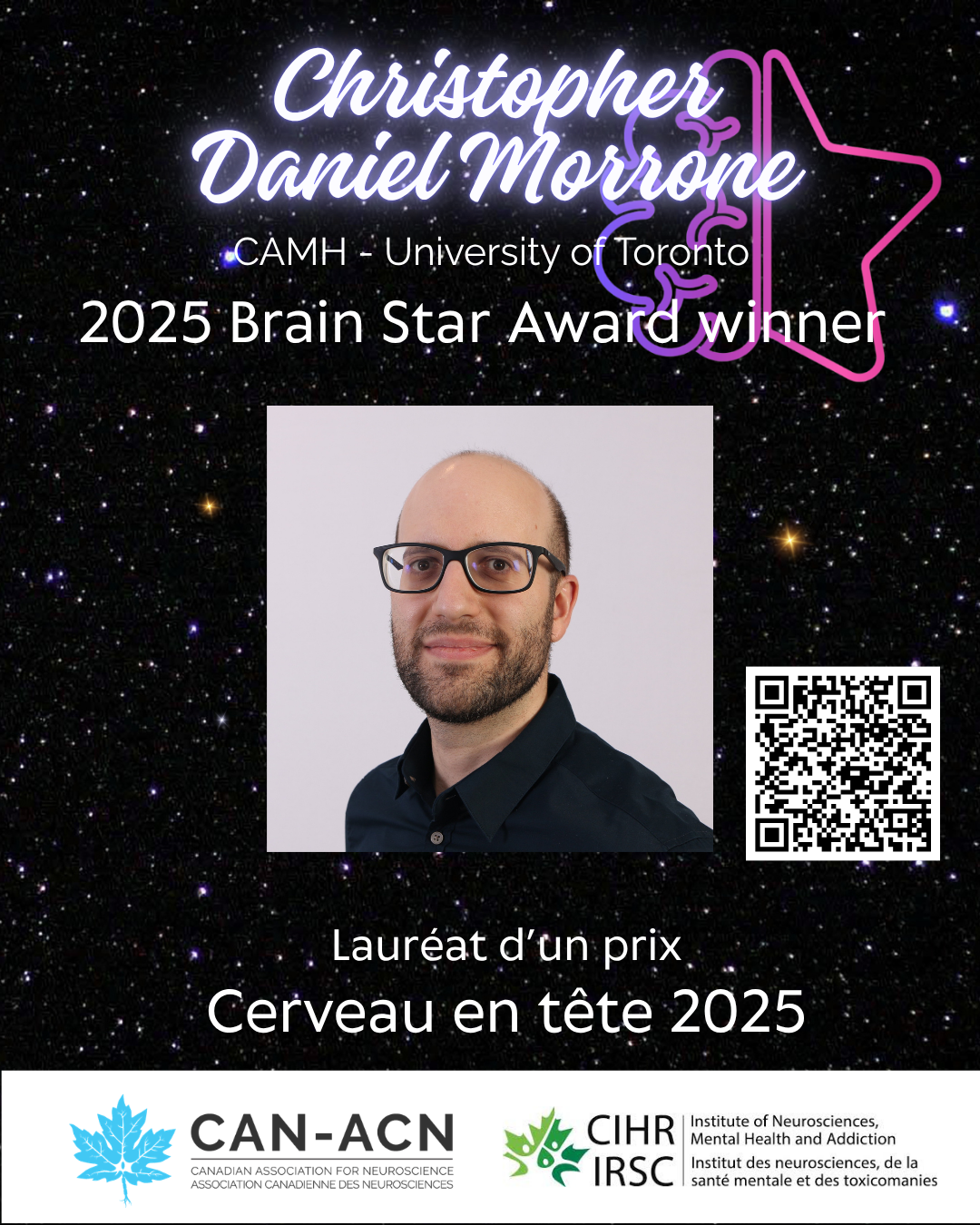
Brain cleaning deficiencies are linked to sleep loss at the early stages of Alzheimer’s disease
Autophagy involves the recycling of the cell’s own components, such as damaged proteins, and is a highly regulated mechanism that is essential for maintaining cellular health. Research done by Christopher Daniel Morrone working with Dr. Wai Haung Yu at the Centre for Addiction and Mental Health, is the first to describe autophagic dysfunction in neurons responsible for sleep-wake control and sleep loss as interactive disease mechanisms in Alzheimer’s disease.
Sleep loss is increasingly recognized as a commonality across most brain disorders including as a risk factor for Alzheimer’s disease and related dementias. Alzheimer’s disease is a proteinopathy, that is a disease in which malformed proteins accumulate abnormally in the brain, forming toxic aggregates or plaques. The work described here provides experimental evidence for a positive-feedback-loop between sleep and autophagy as a driver of the Alzheimer’s disease symptoms.
Continued.. read the whole story here
Original research article:
Morrone, C.D., Tsang, A.A. & Yu, W.H. Autophagic impairment in sleep–wake circuitry is linked to sleep loss at the early stages of Alzheimer’s disease. Mol Neurodegeneration 20, 99 (2025). https://doi.org/10.1186/s13024-025-00877-2
Pages: 1-28
https://link.springer.com/content/pdf/10.1186/s13024-025-00877-2.pdf