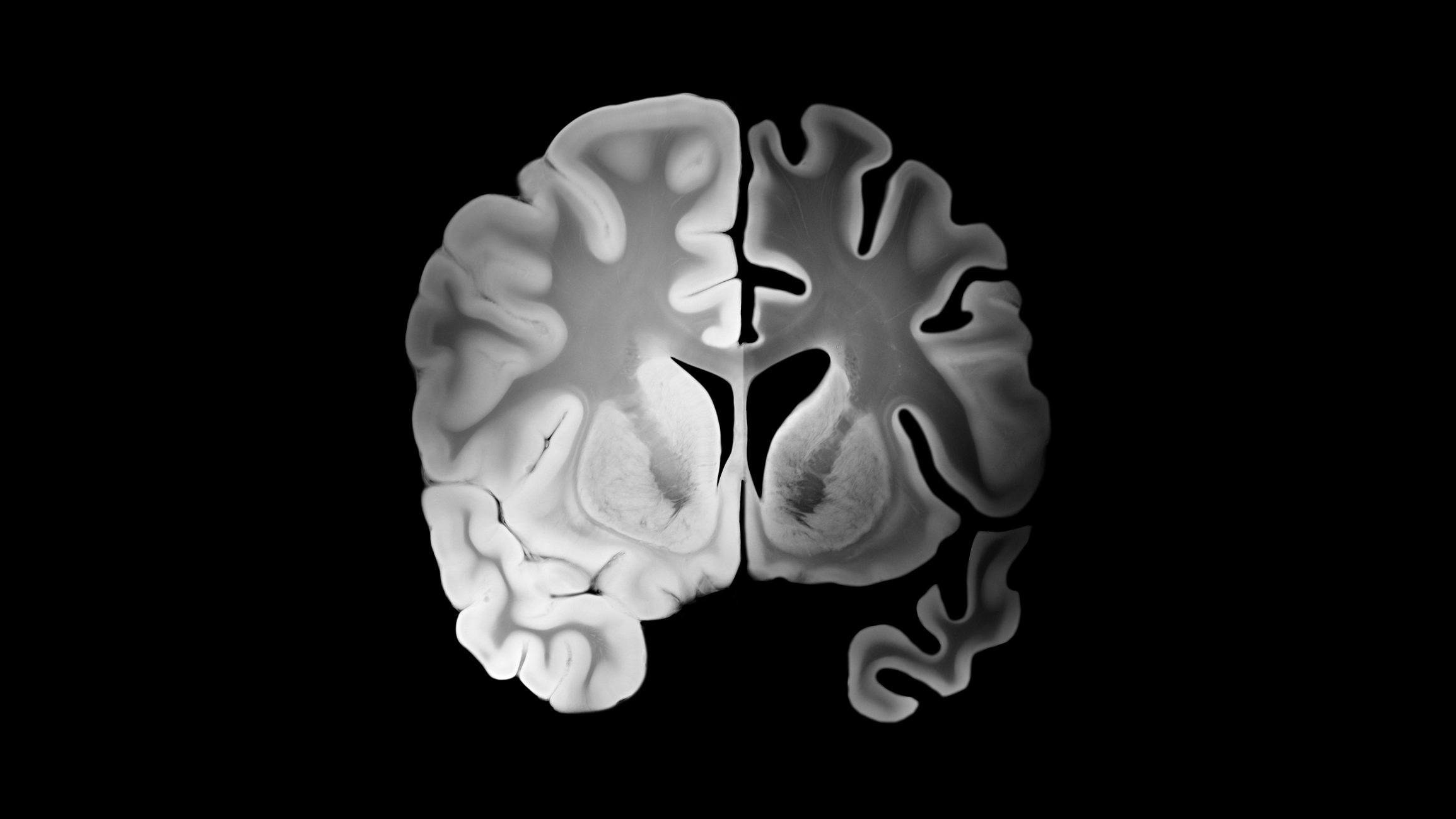
Study co-leaders are Jen Gommerman, a professor and chair of immunology at the U of T’s Temerty Faculty of Medicine, and Valeria Ramaglia, a scientist at the UHN’s Krembil Brain Institute and a U of T assistant professor of immunology.
Researchers at the University Health Network and University of Toronto led the discovery of a possible biomarker linked to multiple sclerosis (MS) disease progression that could help identify patients most likely to benefit from new drugs.
“We think we have uncovered a potential biomarker that signals a patient is experiencing so-called ‘compartmentalized inflammation’ in the central nervous system – a phenomenon which is strongly liked to MS progression,” says Jen Gommerman, a professor and chair of immunology at the U of T’s Temerty Faculty of Medicine. “It’s been really hard to know who is progressing and who isn’t.”
The study, validated in both preclinical and clinical models, was published recently in Nature Immunology.
Read the full story on the UoT News website:
Researchers identify potential biomarker linked to MS progression
Read the original research publication in Nature Immunology:
Ikbel Naouar, Andrei Pangan, Michelle Zuo, Syed Ali Raza, Kevin Champagne-Jorgensen, Jyot Patel, Angela Wang, Annie Pu, Lesley Ward, Jennifer S. Y. Ahn, Faizah N. Sayeed, Jingwen Zhu, Elisabeth Pössnecker, Shoshana Spring, John G. Sled, Bruno Cenni, Barbara Nuesslein-Hildesheim, Jeffrey L. Browning, Anne-Katrin Pröbstel, Daniel S. Reich, Jennifer L. Gommerman & Valeria Ramaglia
Lymphotoxin-dependent elevated meningeal CXCL13:BAFF ratios drive gray matter injury. Nat Immunol 27, 48–60 (2026). https://doi.org/10.1038/s41590-025-02359-5
This research was supported by the Canadian Institutes of Health Research, MS Canada, the National Multiple Sclerosis Society and the United States Department of Defense.